
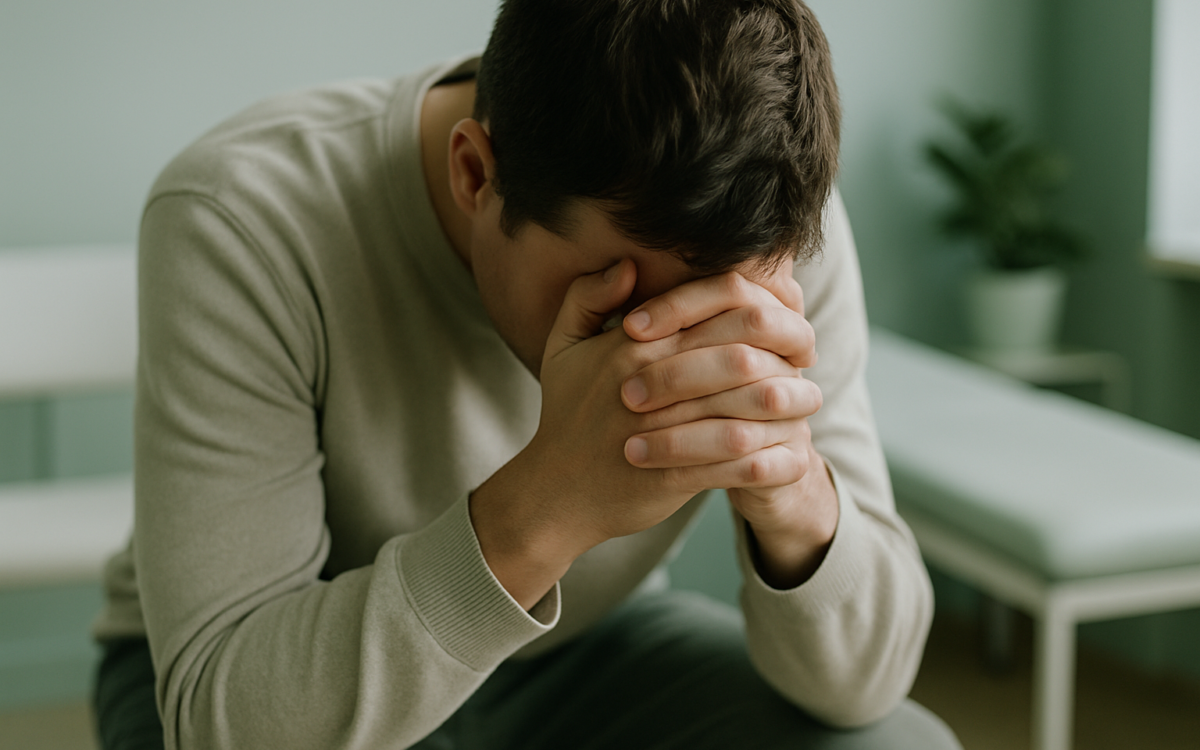
Anxiety is a term many people are familiar with, yet its nuances can often be overlooked. In today’s fast-paced world, stressors abound, making it easy to dismiss feelings of worry as just ordinary life. However, anxiety can be a complex emotion that affects mental and physical health. This article aims to clarify what anxiety means in English, the symptoms associated with it, and how to approach this mental health concern.
What Is Anxiety?
Anxiety is a natural response to stress, characterized by feelings of worry, fear, or apprehension. It’s an emotional state driven by a sense of impending danger or uncertainty. Everyone experiences anxiety at some point in their lives—like before a big exam or during a job interview. However, for some individuals, anxiety can become overwhelming and persistent, leading to what we call anxiety disorders.
Common Symptoms of Anxiety
Anxiety manifests in various ways. Understanding its symptoms can help you identify whether your feelings are typical or something that requires further attention. Here are some common symptoms:
- Increased heart rate: You may feel your heart racing, as your body prepares for a fight-or-flight response.
- Persistent worry: You might find yourself unable to quiet racing thoughts, often about things that may not happen.
- Restlessness: Feeling on edge or struggling to relax can be signs of anxiety.
- Physical symptoms: These can include headaches, stomach issues, muscle tension, and fatigue.
- Sleep disturbances: Difficulty falling or staying asleep is another indication that anxiety may be affecting you.
If these symptoms persist and interfere with your daily life, it might be time to seek support.
Types of Anxiety Disorders
There are several types of anxiety disorders, each with distinct characteristics. Here are some of the most common:
- Generalized Anxiety Disorder (GAD): This involves excessive worry about daily life, often out of proportion to the events.
- Social Anxiety Disorder: Individuals with this disorder fear social interactions and might avoid situations where they have to communicate with others.
- Panic Disorder: This disorder is characterized by sudden and intense panic attacks, which can happen without warning.
- Specific Phobias: These involve intense fear of specific objects or situations, leading to avoidance behavior.
Each disorder responds differently to treatment, so understanding which type you’re dealing with can be beneficial when seeking help.
How Anxiety Affects Daily Life
Anxiety can significantly impact your quality of life. It can disrupt work, relationships, and daily activities. When anxiety becomes chronic, it might lead to:
- Avoidance behavior: You may avoid places or situations that trigger your anxiety, which can limit your social life.
- Declining performance: Anxiety can make it hard to concentrate, leading to reduced performance at school or work.
- Physical health issues: Ongoing anxiety can lead to conditions such as high blood pressure or gastrointestinal problems.
Recognizing the effects of anxiety on your life is crucial for making informed decisions about your mental health.
Treatment Options for Anxiety
The good news is there are effective treatment options available for those struggling with anxiety. Many people find success in:
- Therapy: Cognitive Behavioral Therapy (CBT) is particularly effective in treating anxiety. It helps individuals understand and change thought patterns that contribute to anxiety.
- Medication: Antidepressants and anti-anxiety medications can provide relief for some individuals. Consult a healthcare professional to discuss whether this route is right for you.
- Self-care strategies: Mindfulness, meditation, and regular exercise are self-care methods that can enhance emotional wellness.
It’s important to seek professional guidance to find the right combination of therapies for your needs.
When to See a Doctor
If anxiety becomes overwhelming, or if you notice that it affects your daily life, it may be time to consult a healthcare professional. Signs that you should seek help include:
- Persistent feelings of anxiety that do not seem to improve.
- Interference with daily tasks or relationships.
- Physical symptoms that don’t have a clear cause.
Early intervention can make a significant difference in managing anxiety effectively.
In summary, understanding anxiety—its symptoms, types, and effects—can empower you to take charge of your mental health. Whether it’s a natural response to life’s pressures or a more serious disorder, recognizing the signs is the first step toward finding relief. Consult your doctor if you are experiencing any concerning symptoms.
