
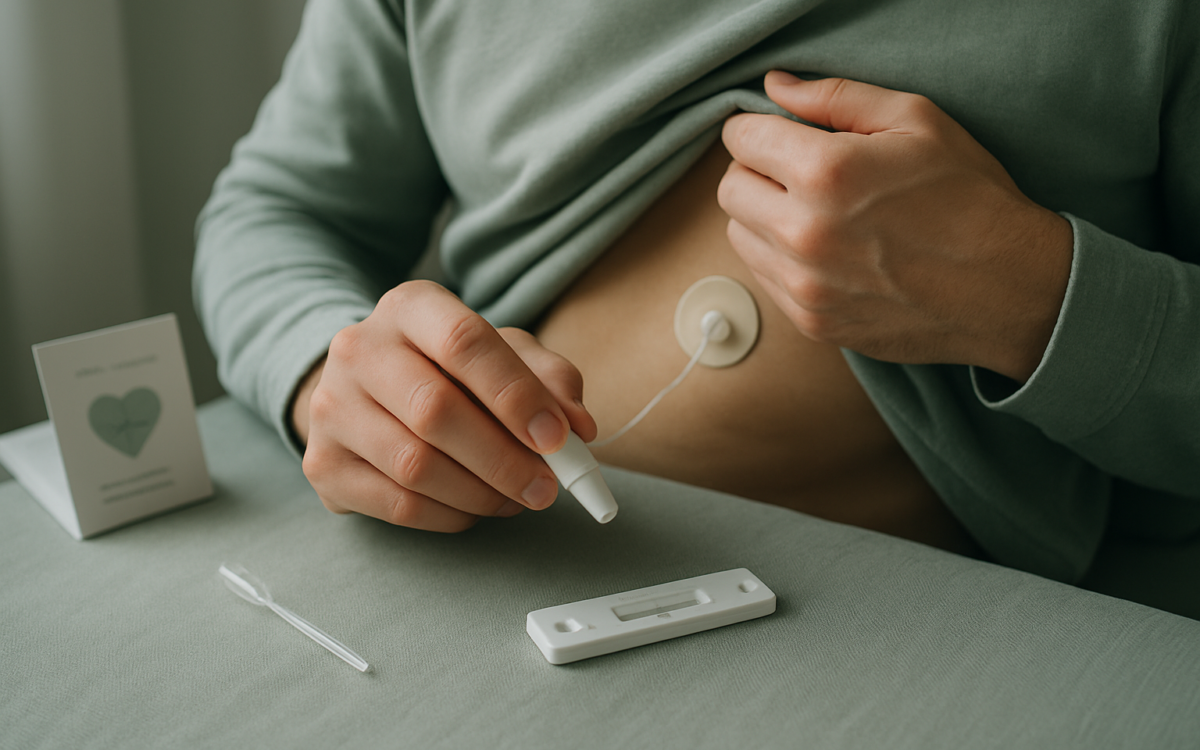
Heart attacks are serious medical emergencies that can happen suddenly and without warning. Understanding your risk factors and recognizing early symptoms can be crucial. As technology advances, at-home health tests are becoming a popular way for people to monitor their wellness, including heart health. This article will explore the different types of at-home tests available for heart attack risk, what they measure, and how they can help you and your doctor make more informed health decisions.
What are at-home heart health tests?
At-home heart health tests are tools that allow you to monitor certain aspects of your cardiovascular health without needing to visit a healthcare provider. These tests can provide valuable information about your heart and overall health, making it easier to identify potential problems early.
Types of at-home tests
1. Blood pressure monitors
High blood pressure, or hypertension, is a major risk factor for heart attacks. Home blood pressure monitors are widely available, easy to use, and provide immediate results. Regularly checking your blood pressure can help you track changes and take action if your readings are consistently high.
2. Heart rate monitors
These devices measure your heart rate, which can provide insight into your heart’s health. Some wearables, like fitness trackers, continuously monitor your heart rate, alerting you to unusual patterns. Be aware that persistent rapid or irregular heartbeats can signal potential issues and should be discussed with a healthcare provider.
3. Cholesterol testing kits
Cholesterol is another significant risk factor for heart disease. At-home cholesterol testing kits can measure your total cholesterol, HDL (good), and LDL (bad) cholesterol levels. While these kits provide quick results, it’s essential to have your cholesterol monitored and analyzed by a physician for a complete assessment.
4. Genetic testing
Some companies offer at-home genetic tests that evaluate your risk for heart diseases based on your DNA. These tests can give insight into inherited risk factors but should be interpreted with caution. Discussing results with a healthcare provider can provide clarity on what your genetic predispositions may mean for you.
Recognizing heart attack symptoms
While at-home tests can provide useful information, recognizing the symptoms of a heart attack is crucial. Common signs include:
- Chest pain or discomfort
- Pain that spreads to the shoulders, neck, arms, back, teeth, or jaw
- Shortness of breath
- Nausea or lightheadedness
- Cold sweat
If you or someone else experiences these symptoms, it is critical to seek medical help immediately.
Limitations of at-home tests
While at-home tests can offer insights into your heart health, they come with limitations. These tests may not be as accurate or comprehensive as those performed by medical professionals. For example, improper use of a blood pressure monitor can lead to incorrect readings. Additionally, self-administered cholesterol tests may not provide a complete picture of your heart health.
Integrating at-home tests with medical care
At-home tests should be used as part of your overall health management strategy. They can help you track your health and foster conversations with your healthcare provider about risk factors and prevention. Regular check-ups and screenings are essential, even if you use at-home tests. If you notice worrying trends in your heart health readings, discuss them with your healthcare provider.
Accessing reliable resources
Staying informed about heart health is essential. Various reputable organizations, such as the CDC and Mayo Clinic, offer resources about cardiovascular health, including tips for monitoring and preventive strategies. Make sure to consult these trustworthy sources to keep your knowledge current.
When to see a doctor
If you have risk factors for heart disease or notice any concerning symptoms, it’s important to consult a healthcare provider. Regular check-ups can help identify issues before they become serious. Discuss any at-home test results with your doctor, who can recommend further tests or treatment if necessary.
Monitoring your heart health is crucial, and at-home tests can play a valuable role in this process. Remember, though, that these tests are not a substitute for professional medical advice or treatment. Stay proactive about your health, and always consult a medical professional to guide you in maintaining a healthy heart.
