
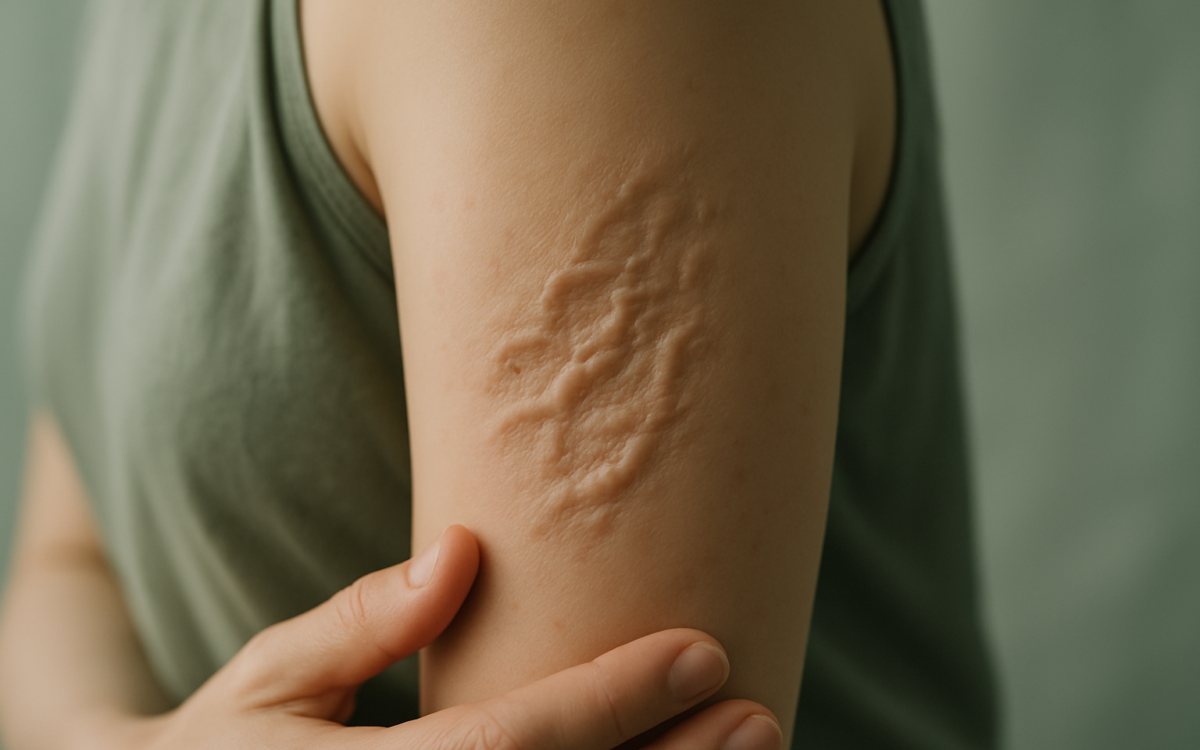
Scars can tell a story, but not all stories are easy to share. Atrophic scarring, characterized by a loss of skin tissue, can leave individuals feeling self-conscious about their appearance. These scars can result from acne, injuries, or surgical procedures, often creating an uneven surface that can be challenging to treat. Understanding the causes and options for managing atrophic scarring is essential for those seeking clarity and solutions.
What Is Atrophic Scarring?
Atrophic scars appear as depressions in the skin. Unlike hypertrophic scars, which can be raised, atrophic scars occur due to the insufficient production of collagen, a vital protein that aids in skin healing. This lack of collagen can occur due to several factors:
- Injury to the skin, such as cuts or burns
- Severe acne that damages the skin
- Certain skin conditions like chickenpox
- Surgical procedures that affect the integrity of the skin
The appearance of atrophic scars varies widely, and they can significantly impact an individual’s mental and emotional well-being. Recognizing these scars’ nature is the first step toward exploring treatment options.
Types of Atrophic Scars
Atrophic scars can be classified into three main types:
- Ice Pick Scars: These are narrow, deep scars that resemble small holes in the skin. They are typically caused by acne.
- Boxcar Scars: These scars have broad, square edges and may appear as depressions with defined angles. They are often seen in cases of historical acne.
- Rolling Scars: These are characterized by wavy edges, giving the skin a rolling appearance. They form due to the damage beneath the skin’s surface.
Understanding these types can help individuals communicate with healthcare providers about their specific concerns and treatment goals.
Causes of Atrophic Scarring
Atrophic scarring can arise for multiple reasons, with one of the most common being acne. When acne inflames the skin, it can damage collagen. Other causes include:
- Accidental injuries or trauma to the skin
- Infections like chickenpox
- Medical treatments that involve surgery, especially on the face or other visible areas
- Skin conditions that cause inflammation
Understanding these triggers can empower individuals to take preventive measures and discuss risk factors with their healthcare providers.
Treatment Options for Atrophic Scarring
Fortunately, there are several methods available for treating atrophic scarring. Each treatment varies in effectiveness depending on the individual’s skin type, the scar type, and personal preferences. Common treatments include:
- Dermal Fillers: These can help raise the depressed areas of the skin and create a smoother appearance.
- Laser Therapy: Laser treatments can stimulate collagen production and improve skin texture. Various types of lasers are available, each tailored to specific scar types.
- Microneedling: This procedure uses tiny needles to puncture the skin, promoting natural healing and collagen production.
- Chemical Peels: These involve applying a chemical solution to the skin to remove the damaged outer layers, revealing newly textured skin beneath.
In addition to these options, some people explore treatment in Turkey for innovative procedures and specialized care, particularly if they seek cost-effective solutions or specific expertise.
Home Remedies for Scar Management
In addition to professional treatments, some individuals find relief using home remedies. While these may not be as effective as clinical treatments, they can still help improve the appearance of scars:
- Moisturizers: Keeping the skin hydrated can promote healing and reduce the visibility of scars.
- Vitamin E: Applying vitamin E oil may help improve skin texture, although results can vary.
- Silicone Gel Sheets: These have been shown to improve scar appearance and can be found at most pharmacies.
While these remedies can be beneficial, it’s essential to consult with a healthcare provider before starting any home treatment, especially if you have sensitive skin or underlying conditions.
When to See a Doctor
If atrophic scars are causing emotional distress, or if you’re considering treatment options, it’s advisable to seek professional advice. You should also contact a healthcare provider if:
- The scars show signs of infection, such as increased redness or pus.
- Atrophic scars are suddenly changing in appearance.
- You experience significant discomfort associated with your scars.
A dermatologist can provide personalized recommendations and help you select the best treatment path based on your skin type and scar characteristics.
Atrophic scarring, while often frustrating, has myriad treatment options available today. By understanding the nature of these scars and seeking appropriate management, individuals can take significant steps towards reclaiming their confidence and overall skin health.
