
Blood pressure is a vital sign that reflects the health of your heart and circulatory system. By measuring the pressure of blood as it flows through your arteries, you can gain insights into your overall wellness. For women, understanding average blood pressure levels is crucial for maintaining heart health. In this article, we will delve into what constitutes average blood pressure for women, how it fluctuates throughout different stages of life, and what factors can affect these numbers.
What Is Average Blood Pressure?
Blood pressure is expressed with two numbers: systolic and diastolic. Systolic pressure (the top number) measures the pressure in your arteries when your heart beats, while diastolic pressure (the bottom number) measures the pressure when your heart rests between beats. For adults, including women, the normal range is generally considered to be:
- Systolic: Less than 120 mm Hg
- Diastolic: Less than 80 mm Hg
A common way to refer to this range is “120 over 80” mm Hg. Values above this can indicate elevated blood pressure or hypertension, which can lead to various health complications.
Average Blood Pressure for Women: Life Stages
Blood pressure can vary throughout a woman’s life due to several factors such as age, hormonal changes, and lifestyle choices. Understanding average blood pressure levels during different life stages can help women monitor their Heart Health. Here’s a breakdown:
Young Adults (20s-30s)
In younger women, average blood pressure tends to be on the lower side, often ranging between 110/70 and 120/80 mm Hg. Healthy lifestyle habits, such as regular exercise and balanced diets, are typically prominent in this age group, contributing to lower blood pressure levels.
During Pregnancy
Pregnancy introduces new changes to a woman’s body, affecting blood pressure. Initially, it might decrease due to hormonal changes and increased blood volume. However, as the pregnancy progresses, blood pressure usually stabilizes to pre-pregnancy levels. Regular check-ups are essential since conditions like gestational hypertension can occur, posing risks for both mother and baby.
Middle Age (40s-50s)
As women enter middle age, average blood pressure levels generally start to rise. It often falls between 120/80 and 140/90 mm Hg. Hormonal changes during perimenopause may contribute to this increase. Regular monitoring is essential during this stage, especially for those with a family history of hypertension.
Older Adults (60 and Up)
In older age, women are at higher risk for elevated blood pressure, and average readings may range from 130/80 to 150/90 mm Hg. Factors such as weight gain, sedentary lifestyle, and the natural aging process can contribute. It’s crucial to manage blood pressure through regular exercise, healthy eating, and consulting healthcare providers.
Factors Affecting Blood Pressure in Women
Several factors can influence average blood pressure levels across a woman’s life:
- Hormonal Changes: Menopause and hormonal fluctuations can have a significant impact on blood pressure.
- Weight: Higher body weight is directly linked to increased blood pressure.
- Diet: A diet high in sodium and low in potassium can raise blood pressure levels.
- Physical Activity: Regular exercise helps maintain a healthy heart and blood pressure.
- Stress: Chronic stress can contribute to fluctuations in blood pressure.
Understanding these contributing factors can help women make informed decisions regarding their health.
Monitoring Your Blood Pressure
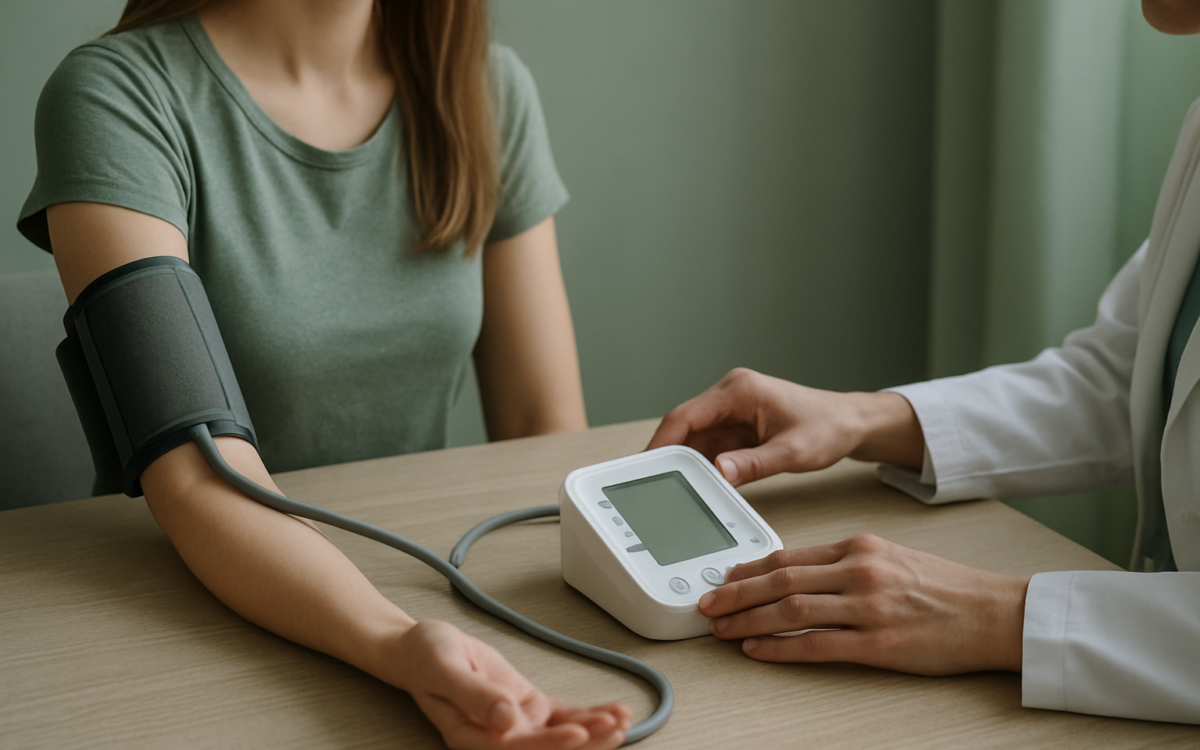
Monitoring blood pressure is critical, especially for women in peak risk age groups. Blood pressure can be checked at home using an automatic or manual cuff. Regular monitoring can help spot trends and identify potential issues early.
Here are some tips for effective monitoring:
- Take measurements at the same time each day.
- Ensure you are relaxed and seated comfortably for several minutes before taking a reading.
- Keep a log of your readings to discuss with your healthcare provider.
Home monitoring tools can provide valuable data to share during medical appointments, helping us seek appropriate care promptly.
When to See a Doctor
If you notice persistently elevated blood pressure readings (above 130/80 mm Hg), it’s important to schedule a visit with your healthcare provider. Pay attention to symptoms like headaches, dizziness, or shortness of breath, which may indicate a more serious condition affecting your heart or circulation.
Regular check-ups with a healthcare professional can provide further insights and necessary interventions to manage your blood pressure effectively.
Conclusion
Understanding the average blood pressure for women and how it changes with age and health conditions is vital in promoting heart health. Individual blood pressure levels can vary significantly, so personalized monitoring and consultation with healthcare professionals are essential. Taking proactive steps towards monitoring your blood pressure can help you uncover your unique health story and maintain an active, healthy lifestyle.
