
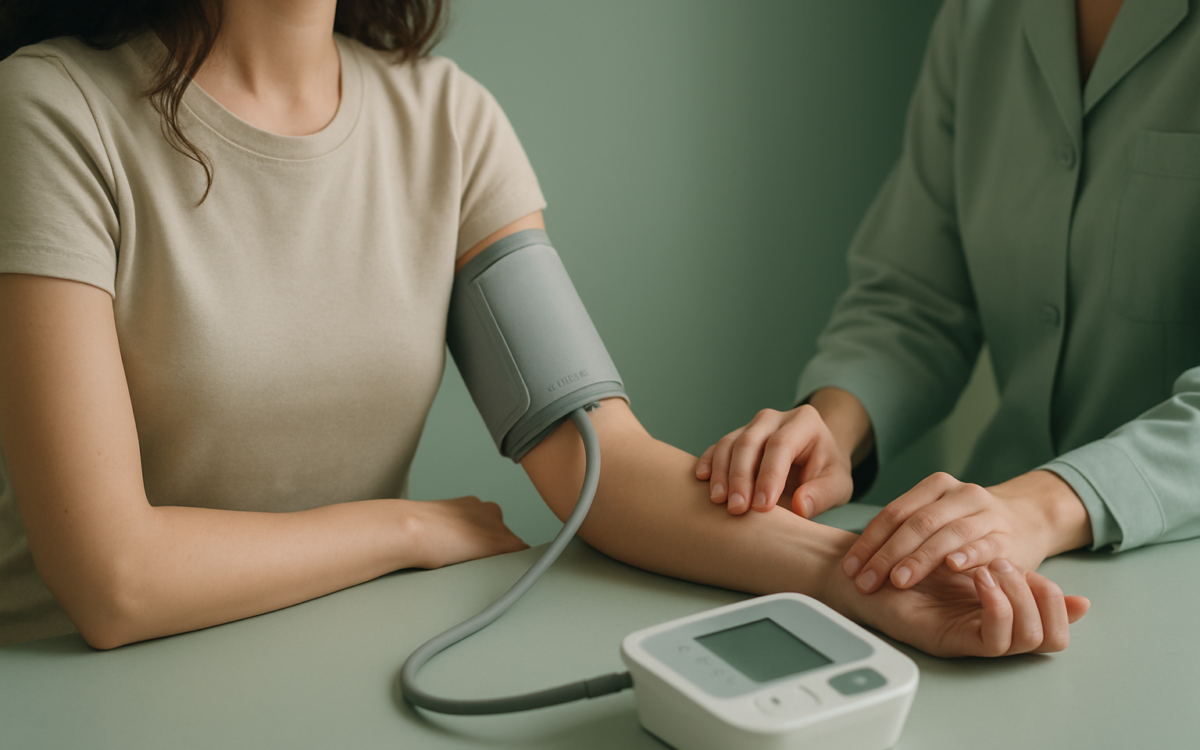
Blood pressure is an essential indicator of our cardiovascular health, and understanding it is especially important for women. While many people are aware of the basics — that we should monitor our blood pressure regularly — fewer people know what the average values are for women specifically. This article will delve into what average blood pressure means for women, the factors that can influence these values, and when to seek medical advice.
What is Blood Pressure?
Blood pressure measures the force of blood against the walls of your arteries as your heart pumps it around your body. It is expressed in two numbers: systolic and diastolic. Systolic blood pressure (the top number) measures the pressure when your heart beats, while diastolic blood pressure (the bottom number) measures the pressure when your heart is at rest between beats.
Average Blood Pressure for Women
The average blood pressure reading for women is typically around 120/80 mmHg. However, blood pressure readings can vary based on several factors, including age, weight, lifestyle, and overall health. Understanding what constitutes a normal reading helps women be more proactive about their health.
Normal Blood Pressure Ranges
- Normal: Less than 120/80 mmHg
- Elevated: 120-129/<80 mmHg
- Hypertension Stage 1: 130-139/80-89 mmHg
- Hypertension Stage 2: 140/90 mmHg and above
- Hypertensive Crisis: Higher than 180/120 mmHg (requires immediate medical attention)
These values serve as general guidelines, and it is important to note that individual experiences may vary. Regular monitoring will help you understand your unique patterns.
Factors Influencing Blood Pressure in Women
Numerous factors can affect blood pressure. Here are some significant contributors to its fluctuations among women:
Age
As women age, their blood vessels become stiffer and less flexible, often leading to higher blood pressure readings. It’s common for average blood pressure to increase with age.
Hormonal Changes
Women experience various hormonal changes throughout their lives, especially during menstruation, pregnancy, and menopause. These changes can cause fluctuations in blood pressure. For example, during pregnancy, a woman’s blood pressure may dip initially but can rise significantly as she approaches delivery.
Weight and Physical Activity
Being overweight or obese increases the risk of developing high blood pressure. Physical activity plays a crucial role in maintaining a healthy weight and can significantly lower blood pressure, promoting heart health.
Stress and Lifestyle Choices
Lifestyle choices such as diet, alcohol consumption, smoking, and stress management can also impact blood pressure. High sodium intake, for example, is linked to higher blood pressure levels, while diets rich in fruits and vegetables can help maintain healthy readings.
Genetics
Like many health conditions, blood pressure can run in families. If your parents or siblings have hypertension, you may be at a higher risk.
How to Monitor Your Blood Pressure
Monitoring blood pressure can be done in several ways, from clinic visits to home monitoring. Here are some tips for effectively checking your blood pressure:
- Regular Check-ups: Visit your doctor for regular blood pressure checks, especially if you have risk factors.
- Home Monitoring: Consider investing in a home blood pressure monitor. Make sure you follow the manufacturer’s instructions for accurate readings.
- Keep a Log: It might be helpful to keep a log of your readings to discuss with your healthcare provider during your next visit.
When to See a Doctor
While routine monitoring is essential, it’s crucial to know when to seek medical attention concerning blood pressure:
- If your readings are consistently higher than 130/80 mmHg.
- If you experience symptoms like severe headaches, vision changes, shortness of breath, or chest pain.
- If you notice sudden increases in blood pressure readings.
Consulting a healthcare provider is crucial for tailoring a management plan appropriate for your situation.
Conclusion
A better understanding of what constitutes average blood pressure for women can empower you to take charge of your health. Knowing the factors that influence your blood pressure and how to monitor it is vital in fostering a proactive approach to cardiovascular health. For more information and resources, visit reputable medical sources such as NIH, WHO, or the Mayo Clinic. Remember to consult your healthcare provider for personalized advice tailored to your health needs.
