
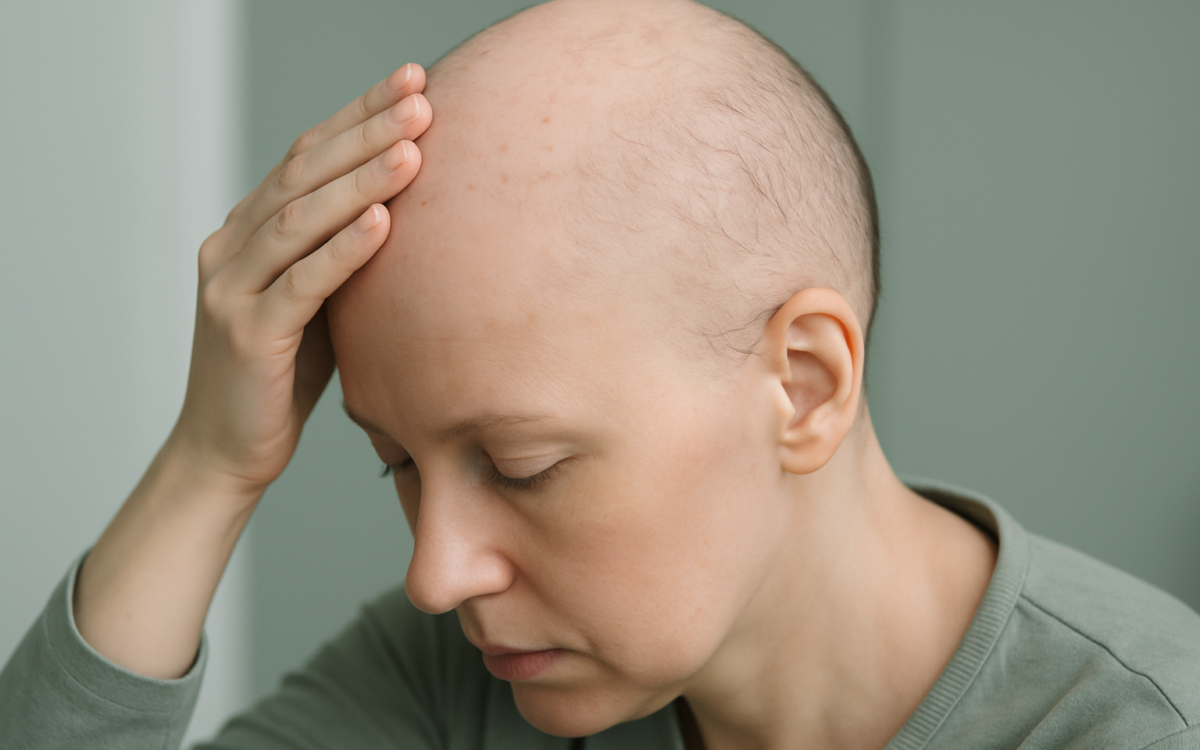
Bald hairlines in women can be a distressing experience, often leading to concerns about self-image and confidence. Unlike in men, where baldness is more socially accepted, women face unique challenges when it comes to hair loss. But understanding the causes and potential solutions can empower you to take action.
What Causes Bald Hairlines in Women?
Several factors contribute to bald hairlines in women. Hair loss can be caused by genetic, hormonal, or environmental influences. Here are the most common reasons:
- Genetic Factors: Female-pattern hair loss, also known as androgenetic alopecia, is the most prevalent cause and tends to run in families. Women may notice thinning hair on the crown of their heads or at the temples.
- Hormonal Changes: Fluctuations in hormones, especially during pregnancy, menopause, or thyroid issues, can lead to hair loss. Conditions such as polycystic ovary syndrome (PCOS) can also contribute to this problem.
- Stress: Emotional or physical stress can result in hair loss, often presenting as telogen effluvium, where hair sheds dramatically after a stressful event.
- Nutritional Deficiencies: Lack of essential vitamins and minerals—like iron, vitamin D, and B vitamins—can lead to weakened hair follicles and bald patches.
- Medical Conditions: Certain conditions, such as alopecia areata and scalp infections, can also result in hair loss.
Signs of Hair Loss to Look For
Recognizing the early signs of hair loss can help you seek appropriate intervention. Some common indicators include:
- Thinning hair around the crown or at the hairline
- Wider parting in your hair
- Increased hair loss while brushing or washing your hair
- Visible scalp or bald spots
How to Diagnose the Cause of Hair Loss
If you notice changes in your hairline, it’s important to determine the underlying cause. A healthcare professional can conduct a thorough evaluation, which may include:
- A detailed medical history to identify genetic and lifestyle factors
- A physical examination of your scalp and hair condition
- Lab tests to assess vitamin levels, hormone levels, or other potential issues
According to research from the National Institutes of Health, understanding the type of hair loss is crucial for determining an effective treatment plan.
Treatment Options for Women with Bald Hairlines
Depending on the cause of your hair loss, different treatment options are available:
- Medications: Minoxidil (Rogaine) is an over-the-counter treatment that may help stimulate hair growth and improve thickness.
- Hormonal Therapy: If hormonal imbalances are causing hair loss, medications that regulate hormones might be beneficial.
- Scalp Treatments: Regular scalp massages and treatments can improve blood flow to hair follicles.
- Nutritional Supplements: If deficiency is identified, supplements can help restore hair health.
- Hair Transplant Surgery: Surgical options may be considered for more severe cases.
Always consult your doctor to discuss these options, as they can provide personalized recommendations based on your individual health profile.
Diet and Lifestyle Tips to Promote Hair Health
In addition to medical treatments, adopting a healthy lifestyle can also support hair health:
- Balanced Diet: Incorporate a variety of foods rich in essential nutrients. Foods high in protein, omega-3 fatty acids, and vitamins A, C, D, and E can help promote hair growth.
- Manage Stress: Techniques such as yoga, meditation, or deep-breathing exercises can lower stress levels, which may reduce hair loss.
- Avoid Harsh Treatments: Limit the use of heat styling tools and chemical processes that can damage hair. Gentle care can help maintain your hair’s health.
When to See a Doctor
It’s advisable to consult a healthcare professional if you experience:
- Sudden or patchy hair loss
- Excessive shedding after childbirth or significant stress
- Signs of scalp infection like redness or sores
A healthcare provider can examine your hair and scalp and recommend appropriate tests to determine the cause of your hair changes. Early intervention may lead to better outcomes.
Conclusion
Bald hairlines in women can be emotionally challenging but knowing the causes and potential solutions can help you reclaim your confidence. Whether it’s a hormonal shift, genetic predisposition, or lifestyle factors, understanding your situation is the first step toward treatment. Reach out to a healthcare professional for personalized advice and intervention to find the best approach for you.
