
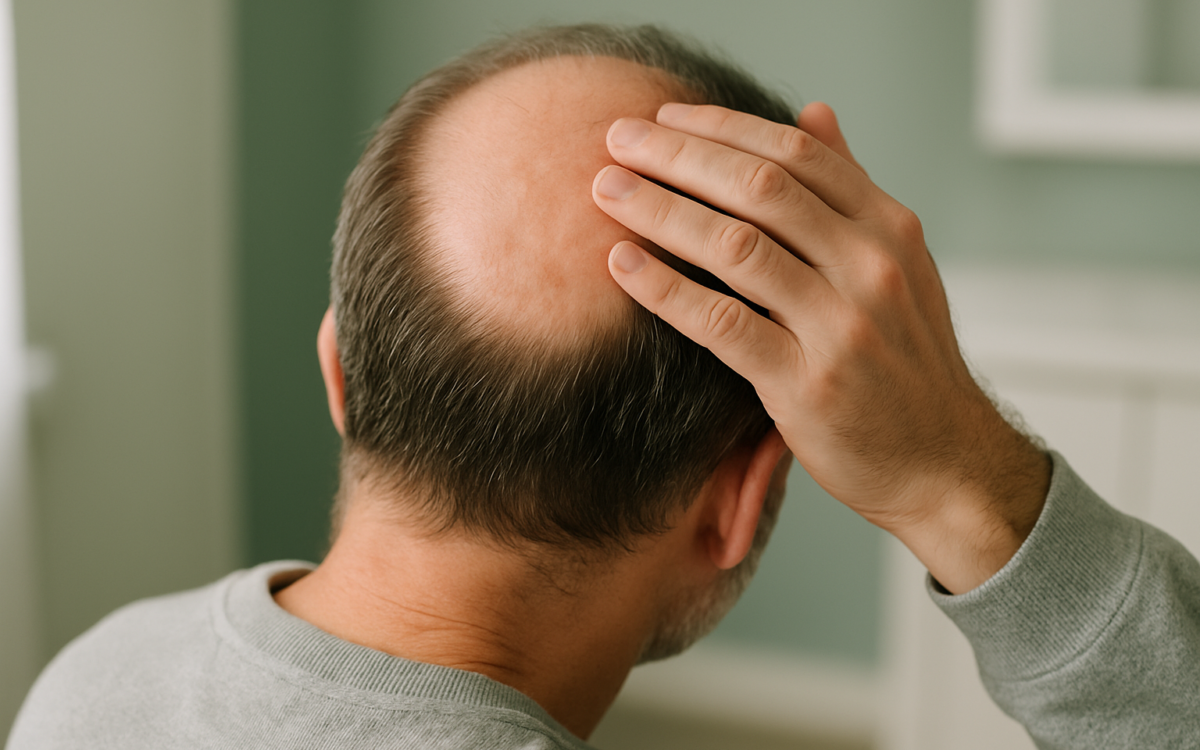
Bald spots on the head can be distressing and often come with a flurry of questions about what caused them and how they can be treated. From underlying health issues to the stress of everyday life, multiple factors contribute to hair loss in different individuals. In this article, we’ll explore the common reasons behind bald spots, various treatment options available, and when it might be time to consult with a medical professional.
Common causes of bald spots
Bald spots can arise from a variety of causes, and understanding these factors is the first step towards addressing the issue.
Genetics
One of the most common reasons for bald spots is a genetic predisposition to hair loss, often referred to as androgenetic alopecia or male pattern baldness. This condition typically begins with a receding hairline and thinning crown, gradually leading to larger areas of hair loss. If you have family members who have experienced similar hair loss, genetics could play a significant role.
Autoimmune diseases
Alopecia areata, an autoimmune disorder, is another reason for bald spots. In this condition, the body’s immune system mistakenly attacks hair follicles, leading to sudden hair loss in patches. While this condition can affect anyone, it typically manifests during childhood or adolescence. Treatments may vary, but options are available to encourage hair regrowth.
Physical and emotional stress
Stress can contribute significantly to hair loss. Physical stressors such as surgery, illness, or injury can push hair follicles into a resting phase, leading to shedding. Emotional stress can have a similar impact, causing temporary hair loss through a condition known as telogen effluvium. This type of hair loss often resolves once the stressful situation is managed.
Diagnosis and evaluation
If you’re experiencing bald spots, it’s essential to get a proper diagnosis. Healthcare providers usually begin with a physical examination of your scalp and assessment of your medical history. In some cases, they may recommend further tests or a referral to a dermatologist specializing in hair disorders.
- Scalp biopsy: A small sample of scalp skin may be taken to determine if an autoimmune condition is present.
- Blood tests: These may explore underlying health issues such as thyroid problems or iron deficiency, which can contribute to hair loss.
Treatment options available
Fortunately, there are various treatment options for addressing bald spots, depending on the underlying cause.
Medications
Topical treatments such as minoxidil (Rogaine) can be effective for various forms of hair loss, including androgenetic alopecia. This treatment usually needs to be applied consistently for several months to see results. For more severe cases, doctors may prescribe oral medications like finasteride.
Therapies and procedures
Additionally, therapies like corticosteroid injections may benefit individuals with alopecia areata or other inflammatory conditions affecting hair follicles. For those seeking a more permanent solution, methods such as hair transplantation and scalp micropigmentation are available. These procedures, while typically more expensive, may provide dramatic results for those struggling with bald spots.
International treatment options
If you’re considering treatment options abroad, many people explore international clinics for advanced hair restoration techniques. Countries like Turkey and Thailand have gained popularity for their high-quality clinics and specialized care. You can visit acibademinternational.com to explore various international treatment options that may suit your needs.
Home remedies and lifestyle changes
In addition to professional treatments, some people find comfort in trying home remedies and lifestyle changes. Regularly massaging the scalp can improve blood circulation and promote hair health. Integrating certain nutrients into your diet, such as proteins, vitamins A and D, and omega-3 fatty acids, may support overall hair health.
Furthermore, managing stress through techniques such as yoga, meditation, or exercise can positively affect hair growth. Remember that patience is key; hair regrowth often takes time.
When to see a doctor
If you’re noticing sudden or patchy hair loss, or if you’re experiencing other symptoms such as itching or redness on your scalp, it may be time to consult a medical professional. A healthcare provider can examine your condition, offer relevant tests, and suggest appropriate treatments.
Conclusion
Bald spots can occur for various reasons, from genetics to stress. Understanding the cause can help guide you toward effective treatments. While some remedies are available at home, it’s essential to consult a healthcare provider for personalized advice and care.
