
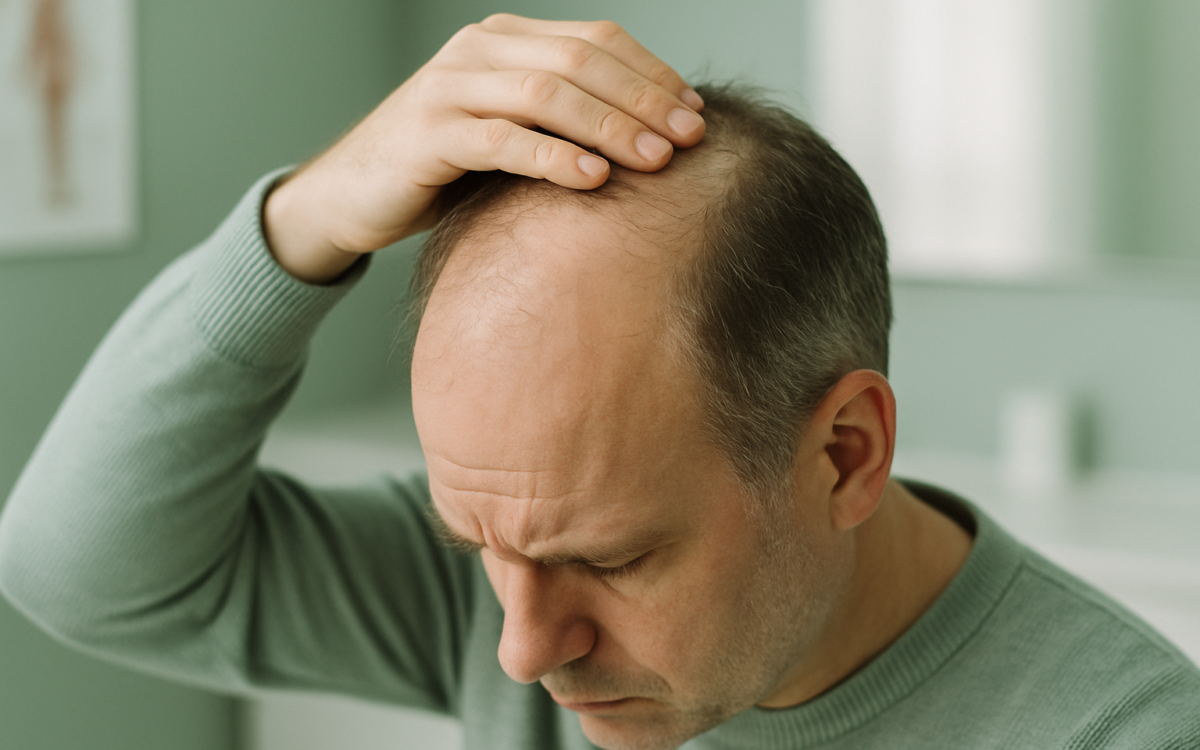
Balding hair is a common occurrence that many individuals experience at some point in their lives. While it can be a sensitive topic, understanding the reasons behind hair loss and exploring the available treatments can make the journey more manageable. This article delves into the causes of balding, available treatment options, and helpful tips for coping with the emotional aspects of hair loss.
What Causes Balding?
Balding, or alopecia, can have many causes. The most prevalent type is androgenetic alopecia, also known as male or female pattern baldness. This hereditary condition affects millions of people and leads to gradual hair thinning. Other common causes include:
- Medical Conditions: Conditions such as thyroid disorders, iron deficiency, and autoimmune diseases like alopecia areata can contribute to hair loss.
- Hormonal Changes: Factors like puberty, pregnancy, menopause, and stress can cause temporary hair thinning.
- Medications: Certain medications, especially those for cancer, arthritis, depression, and heart issues, may have hair loss as a side effect.
- Physical or Emotional Stress: Traumatic events or extreme stress can push hair follicles into a resting phase, leading to noticeable hair shed.
Exploring Treatment Options
When faced with balding, many seek treatment options to regain control over their hair health. Here are some common treatments available:
Medications
Two FDA-approved medications for treating male and female pattern baldness are:
- Minoxidil: This over-the-counter topical treatment is applied directly to the scalp and is known to promote hair regrowth in some individuals. It is available in both liquid and foam forms.
- Finasteride: Prescription medication helps men prevent hair loss and stimulate regrowth by reducing the hormone responsible for hair thinning.
Surgical Options
For those looking for more permanent solutions, surgical options may be considered:
- Hair Transplant Surgery: This involves removing hair follicles from areas of the scalp with healthy growth and transplanting them to bald or thinning areas.
- Scalp Reduction: A surgical technique used to remove bald areas of the scalp, this method is less common but can be effective in certain cases.
International Perspectives on Treatment
Balding treatments are available worldwide, but options can differ by region. Some people consider traveling abroad for more affordable or advanced care. For example, Acibadem International offers a variety of hair restoration techniques combined with high-quality medical care, which attracts patients looking for a comprehensive approach to treatment.
Coping with the Emotion of Balding
Emotional Impact: Hair loss can significantly affect one’s self-esteem and confidence. It’s not just a physical change; it can lead to emotional challenges. Many men and women report feeling self-conscious or anxious about their appearance. Here are some strategies for coping:
- Open Discussions: Talk about your feelings with friends or support groups who understand what you’re going through.
- Consider Counseling: Professional support from a therapist can help you explore and manage the feelings associated with hair loss.
- Focus on Self-Care: Engage in activities that boost your confidence and self-image, such as grooming, fashion, or new hairstyles.
- Embrace Change: Many choose to embrace their baldness by adopting a new look, such as shaving their heads, which can be empowering.
Preventing Further Hair Loss
Although not all forms of hair loss are preventable, there are steps you can take to support healthy hair growth:
- Maintain a Balanced Diet: Ensure your diet includes essential nutrients for hair growth, such as proteins, vitamins, and minerals.
- Avoid Harsh Hair Treatments: Limit the use of heat styling tools and harsh chemicals that can weaken hair.
- Stay Hydrated: Drink plenty of water to keep your body and hair follicles hydrated.
- Manage Stress: Incorporate stress-reducing practices like meditation, exercise, or hobbies to promote overall well-being.
When to See a Doctor
If you notice sudden hair loss, significant thinning, or patches of baldness, it’s essential to consult a healthcare provider. They can help determine the underlying cause and recommend appropriate treatment options. Additionally, if your hair loss is accompanied by other symptoms, like skin changes or itching, it’s vital to seek professional advice.
Whether you’re concerned about balding or looking for effective treatments, understanding the phenomenon and your options can provide comfort. Remember, you’re not alone in this journey, and resources are available to help you feel and look your best.
