
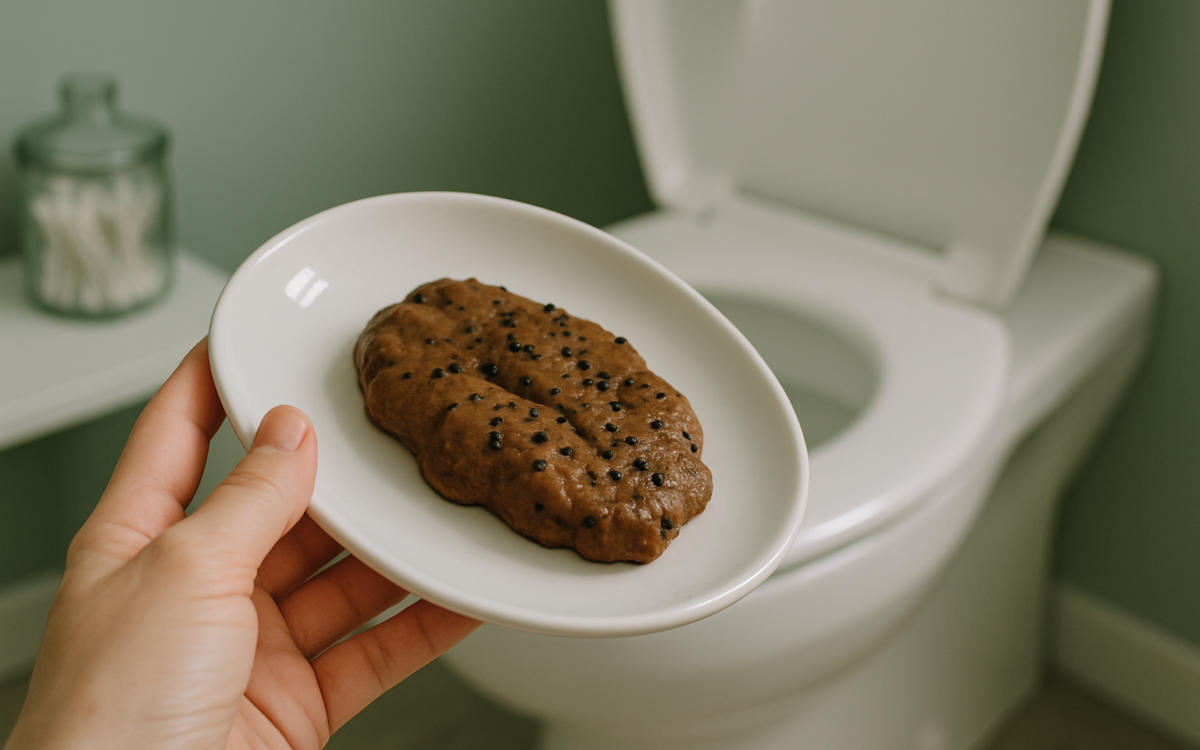
Noticing peculiar changes in your stool can be alarming, especially when you spot black specks. While it’s easy to jump to conclusions, understanding the potential causes and what they mean for your health is crucial. In this article, we delve into the various reasons behind the appearance of black specks in stool and when it might be time to reach out to a healthcare professional.
What are black specks in stool?
Black specks in stool can be small dark flecks that can vary in size and shape. These tiny particles can arise from various sources and can sometimes indicate underlying health conditions. Some individuals might not take notice of black specks, while for others, they may prompt concerns about their digestive health.
Common causes of black specks
While there are several potential causes of black specks in stool, many of them are benign. Here are some of the most common reasons:
- Food: Certain foods can contribute to dark specks in stool. For instance, consuming black beans, blueberries, or black licorice might leave traces behind. Similarly, fiber-rich foods can sometimes appear as small dark particles in stool.
- Iron supplements: If you take iron supplements, they can cause stool to darken and might leave black specks. This is common and usually not a cause for concern. However, if you’re unsure, it’s best to consult with your doctor.
- Medications: Some medications, especially those for gastrointestinal issues, can affect stool color. For instance, bismuth subsalicylate (often found in products like Pepto-Bismol) can lead to dark stools and specks.
- Bleeding in the upper gastrointestinal tract: This is a more serious cause of black specks. If there is bleeding in the esophagus, stomach, or the first part of the small intestine, it can lead to black, tarry stools. The process of digestion can transform the blood into a dark, speck-like appearance. It’s important to address this cause seriously.
Underlying health conditions
In addition to the aforementioned causes, certain health conditions may result in black specks in stool. Understanding these underlying issues can help in determining the urgency of seeking medical advice.
- Gastrointestinal bleeding: As mentioned, upper gastrointestinal bleeding can lead to darker stool. Conditions such as ulcers or tumors can cause this bleeding. If you experience other symptoms like nausea, vomiting, or abdominal pain, it’s essential to visit a doctor.
- Hemorrhoids: Though not common, bleeding from hemorrhoids can sometimes present as small black specks in stool. However, this typically appears alongside bright red blood, indicating fresh bleeding.
- Diverticular disease: This condition can lead to inflammation or infection in pouches that can form in the wall of the colon. If diverticulitis causes bleeding, dark particles might appear in your stool.
Color changes and diet
Sometimes, the color of your stool can reflect your diet or lifestyle factors. It’s important to note that variations in stool color can be completely normal, depending on what you’re eating.
Certain foods are known to change the color of stool, and this can sometimes manifest as dark specks. For example, consuming large amounts of beets, spinach, or whole grains can lead to noticeable changes. Even foods with artificial coloring might cause unforeseen effects on your stool.
When to see a doctor
While occasional black specks might not be a concern, understanding when to consult a doctor is key to maintaining your health. If you experience any of the following symptoms alongside black specks in your stool, it’s important to seek medical attention:
- Persistent black specks or dark stools over a few days
- Accompanying gastrointestinal symptoms such as pain, vomiting, or diarrhea
- Signs of anemia, like fatigue or weakness
- Any other unusual symptoms that concern you
It’s vital to approach health changes with caution. If you’re unsure about the significance of black specks or changes in your stool, a healthcare professional can help clarify the situation. Consulting with your doctor can ensure peace of mind.
Conclusion
Black specks in stool can stem from various benign causes, such as diet or supplements, or could indicate more serious health issues. Understanding the potential reasons behind these changes provides valuable insight into our digestive health. Always listen to your body, and if you have uncertainties or concerns, don’t hesitate to reach out to your healthcare provider. Staying informed empowers you to take charge of your health.
