
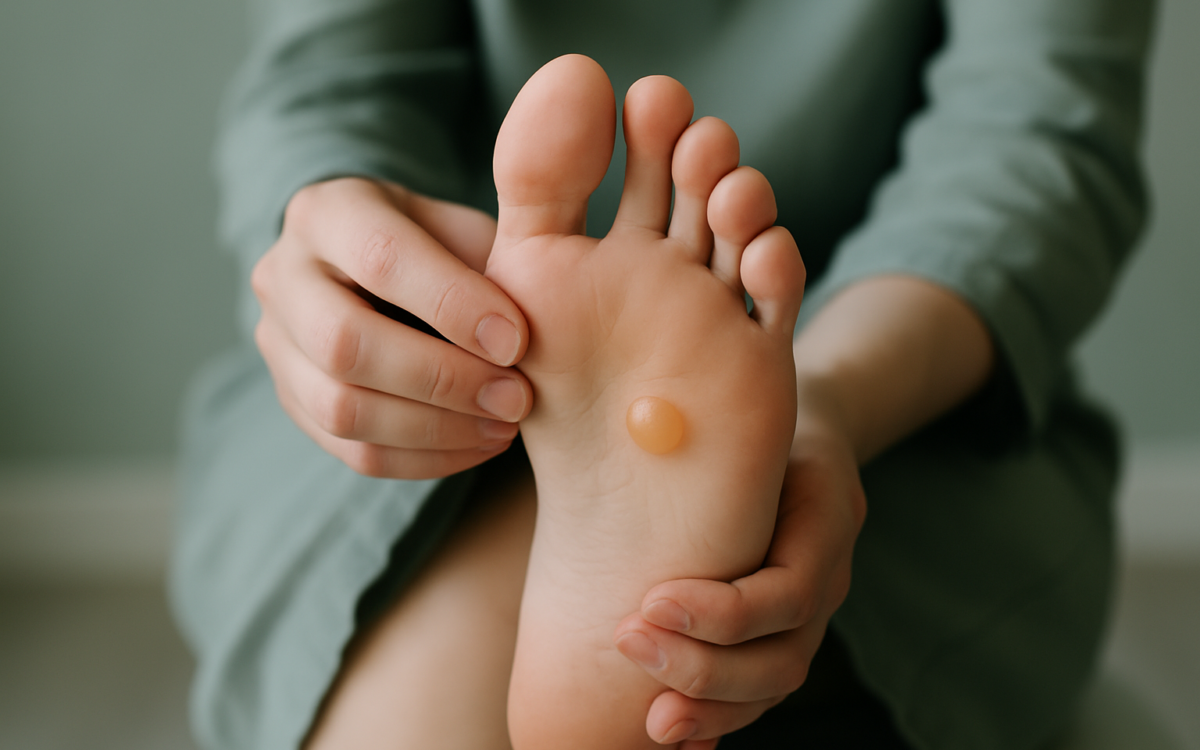
Blisters on the bottom of your foot can be more than just an uncomfortable nuisance; they can disrupt your daily activities and make walking a painful chore. Understanding what causes these blisters, how to treat them, and how to prevent them can make all the difference. This article will guide you through the ins and outs of foot blisters, ensuring you’re well-equipped to handle this common foot ailment.
What Are Blisters?
Blisters are small pockets of fluid that form between the layers of skin. They can occur anywhere on the body, but when they appear on the bottom of your foot, they are particularly frustrating. Blisters typically arise as a response to friction, heat, or irritation.
Common Causes of Blisters on the Bottom of Your Foot
There are several reasons why you might develop blisters on the bottom of your foot:
- Friction: This is the most common cause. Friction from shoes that don’t fit well or from excessive walking or running can rub the skin and lead to blisters.
- Heat: Spending time in hot environments or wearing shoes that don’t allow your feet to breathe can cause your skin to swell and blister.
- Allergic reactions: Sometimes, materials in shoes or foot care products can provoke an allergic response, leading to blisters.
- Infections: Certain infections, like chickenpox or herpes simplex, can cause blisters on the feet.
- Medical conditions: Conditions like eczema or psoriasis can also result in blister formation.
Treating Blisters at Home
If you find a blister on the bottom of your foot, don’t panic! Many foot blisters can be treated at home effectively. Here are some steps you can follow:
- Do Not Pop: It’s often advised not to pop or break a blister, as this may lead to infection. The skin over the blister provides a natural barrier to bacteria.
- Clean the Area: Gently wash the blister and the surrounding skin with soap and water. Pat it dry with a clean towel.
- Protect the Blister: Use a clean, sterile bandage to cover the blister. This will protect it from further irritation and keep it clean.
- Pain Management: Over-the-counter (OTC) pain relievers can help manage any discomfort. Medications like ibuprofen or acetaminophen are commonly used.
- Watch for Infection: Keep an eye on the blister for signs of infection, such as increased redness, swelling, or pus. If you notice these signs, consult a healthcare professional.
When to Seek Medical Attention
While many blisters can be treated at home, there are instances when it’s essential to seek medical attention:
- If the blister is unusually large or painful.
- If you notice signs of infection, like warmth, redness, swelling, or pus.
- If you have diabetes or a compromised immune system, as this may complicate the healing process.
- If multiple blisters form or if you have recurring issues with blisters.
Preventing Blisters on the Bottom of Your Foot
Prevention is the best approach when it comes to blisters. Here are practical tips to keep your feet blister-free:
- Choose the Right Shoes: Wear well-fitting shoes that provide adequate support and breathability. Make sure shoes are not too tight or loose.
- Socks Matter: Wearing moisture-wicking socks can help reduce friction and keep your feet dry.
- Break in New Shoes: Gradually break in new shoes by wearing them for shorter periods before full use.
- Use Blister Pads: Consider using blister pads or protection strips on areas that are prone to blisters.
- Pay Attention to the Weather: Be cautious when wearing shoes in hot weather, and allow your feet to breathe when possible.
When Blisters May Signal a Bigger Issue
In some cases, blisters on the bottom of your foot can indicate underlying health issues. Conditions like autoimmune disorders or skin diseases might manifest as persistent or recurrent blisters. It’s crucial to consult with a healthcare professional if you frequently experience blisters without clear causes.
Conclusion
Understanding blisters on the bottom of your foot can help you manage discomfort and prevent future issues. By recognizing the causes and applying effective treatment and prevention strategies, you can keep your feet healthy and blister-free. Always remember to consult a healthcare professional if you have concerns or if your blister doesn’t improve. For more detailed information, you can visit reputable sources like the Mayo Clinic or explore insights from the National Institutes of Health.
