
Blood cancer, which includes leukemia, lymphoma, and multiple myeloma, can develop silently in the body. Early detection is crucial for effective treatment and improving outcomes. However, recognizing the signs and symptoms can sometimes be challenging. In this article, we’ll explore how to detect blood cancer, what symptoms to look for, and when to consult a healthcare professional.
What is blood cancer?
Blood cancer refers to malignancies that affect the blood, bone marrow, and lymphatic system. These cancers can disrupt the body’s ability to produce healthy blood cells. Unlike solid tumors, blood cancers often spread throughout the bloodstream, which can complicate their treatment.
Common types of blood cancer
There are three primary types of blood cancer:
- Leukemia: Affects the bone marrow and blood, leading to the overproduction of abnormal white blood cells.
- Lymphoma: Affects the lymphatic system, particularly lymph nodes, and is categorized into Hodgkin and non-Hodgkin lymphoma.
- Multiple Myeloma: Affects plasma cells, a type of white blood cell critical for immune response.
Recognizing the symptoms of blood cancer
Early symptoms of blood cancer can be vague or easily mistaken for other illnesses. Here are some common signs to be aware of:
- Unexplained fatigue: Persistent tiredness that does not improve with rest can be an early warning signal.
- Frequent infections: A weakened immune system may result in increased susceptibility to illnesses.
- Unexplained weight loss: Losing weight without trying can be a sign of underlying health issues.
- Swollen lymph nodes: Painless lumps in the neck, underarms, or groin could signal lymphoma or other conditions.
- Bruising or bleeding easily: Unusual bleeding from the gums or skin can indicate a problem with blood cell production.
- Night sweats: Excessive sweating during sleep can be associated with certain blood cancers.
Diagnostic tests for blood cancer
If blood cancer is suspected, your doctor may recommend several tests to confirm the diagnosis. The most common diagnostic tests include:
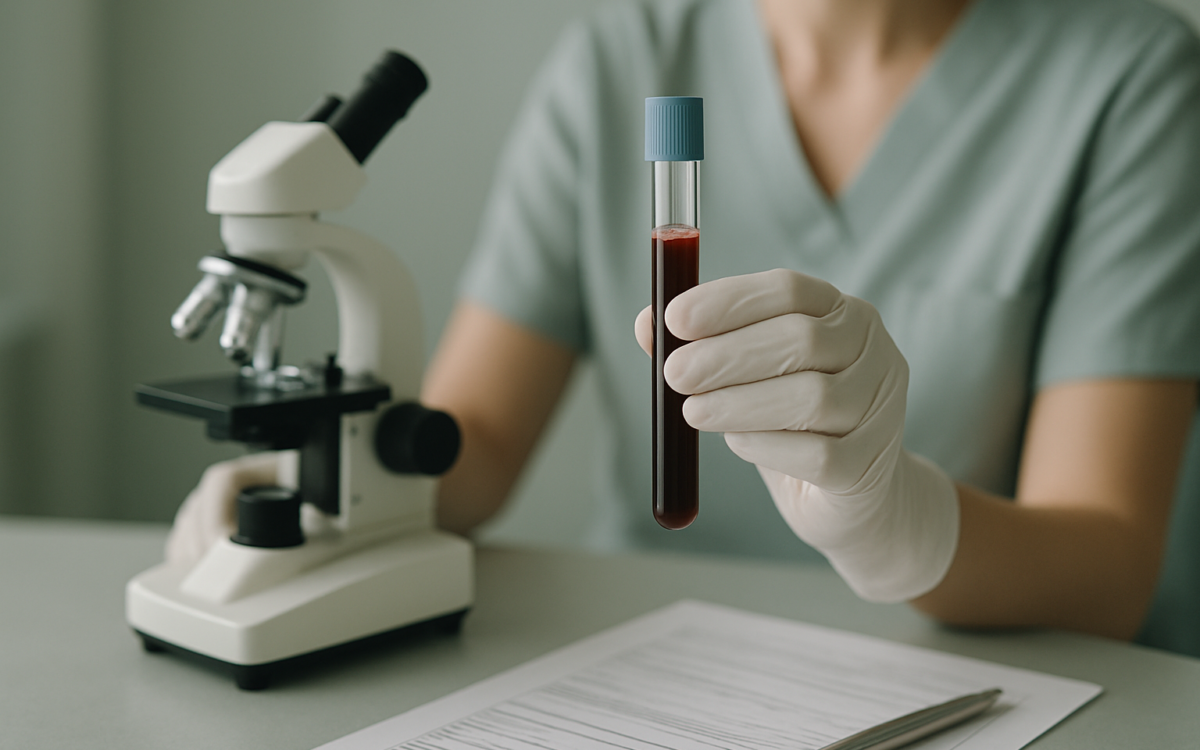
- Blood tests: Complete blood count (CBC) can reveal abnormalities in red and white blood cell counts. Bone marrow tests may be used to look for cancerous cells.
- Lymph node biopsy: Removing a small sample of lymph tissue can help determine if lymphoma is present.
- Imaging tests: CT scans, MRI, and PET scans can visualize lymph nodes and organs to identify tumors or swelling.
The role of international treatment options
For those seeking advanced options, treatment in Turkey offers access to modern therapies and expert clinicians experienced in managing blood cancers. Countries known for specialized healthcare may provide innovative therapies that aren’t widely available elsewhere.
When to see a doctor
If you notice any persistent symptoms that are unusual for you, it is important to consult with a healthcare professional. Early detection plays a vital role in the effectiveness of treatment. Don’t hesitate to discuss any health concerns you have. The sooner a diagnosis is made, the better chance you have for treatment success.
Conclusion
Understanding how to detect blood cancer and being aware of its symptoms is essential for early diagnosis and treatment. Regular check-ups and being vigilant about your health can help catch any issues before they become more serious. If you experience any concerning symptoms, remember to reach out to your doctor as soon as possible. Early intervention can make a significant difference.
