
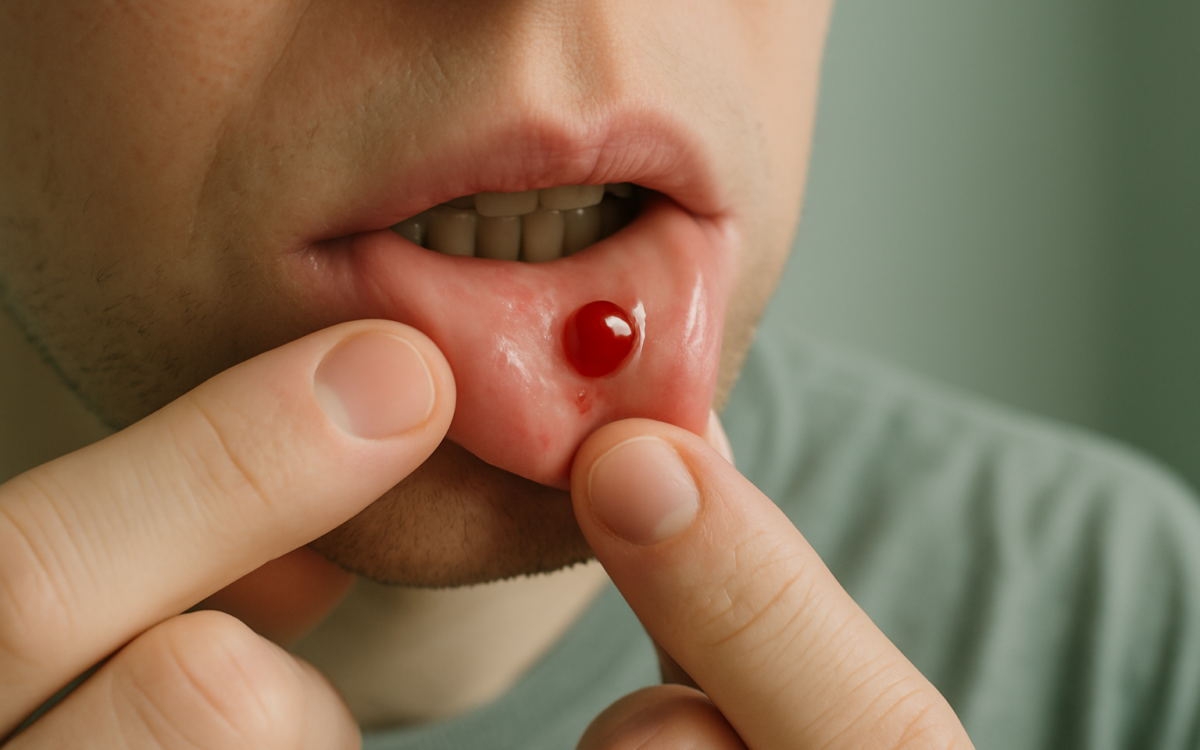
Blood mouth blisters can be surprising and concerning, often causing discomfort and worry. These small, fluid-filled sacs appear in the mouth and can contain blood, leading to questions about their origins and significance. In this article, we will explore the various causes of blood mouth blisters, how to recognize them, effective self-care strategies, and when it’s time to consult a healthcare professional.
What Are Blood Mouth Blisters?
Blood mouth blisters, also known as blood-filled vesicles or oral vesicles, are small, raised areas in the mouth that can be filled with fluid, blood, or both. Depending on their cause, these blisters can appear on the gums, inner cheeks, tongue, or lips. While they can be painful, they often resolve without intervention, although persistent or recurrent blisters may indicate an underlying health issue.
Common Causes of Blood Mouth Blisters
Several factors can lead to the formation of blood mouth blisters. Here are some of the most common causes:
- Trauma or Injury: Accidental bites, burns from hot food or drinks, or impact from dental procedures can create blisters filled with blood.
- Infections: Viral or bacterial infections, such as herpes simplex virus (commonly associated with cold sores) or oral thrush, can lead to blister formation that may contain blood. Certain systemic infections can also contribute.
- Allergic Reactions: Allergies to certain foods, medications, or dental products can cause irritation and blistering in the mouth.
- Mucous Membrane Pemphigoid: This autoimmune disorder can cause painful blisters in the mucous membranes, including the mouth.
- Vitamin Deficiencies: Low levels of vitamins such as B12, C, or iron can lead to changes in the mouth, including blister formation.
Recognizing the Symptoms
Symptoms accompanying blood mouth blisters may vary depending on their cause. Common signs to look for include:
- Pain or Discomfort: Blisters may be tender or painful, especially when eating or talking.
- Swelling: Tissue surrounding the blister may appear swollen or inflamed.
- Bleeding: Blood may seep from the blister, especially if it bursts.
- Fever or General Illness: If blisters are part of an infection, other symptoms like fever or fatigue may occur.
Self-Care for Blood Mouth Blisters
Most blood mouth blisters do not require specific medical treatment and can be managed at home. Here are some practical self-care tips:
- Maintain Oral Hygiene: Use a gentle toothbrush and non-irritating mouthwash to keep the mouth clean.
- Avoid Irritants: Stay away from spicy, hot, or acidic foods that may irritate the mouth further.
- Stay Hydrated: Drinking plenty of water can help soothe the mouth and keep tissues healthy.
- Use Pain Relief: Over-the-counter pain relievers can alleviate discomfort if necessary.
- Apply Cold Compresses: Sucking on ice chips or using cold compresses can help reduce swelling and pain.
When to See a Doctor
While many blood mouth blisters can be treated at home, certain situations warrant a visit to a healthcare provider:
- If the blister lasts longer than two weeks without improvement.
- If you experience severe pain, swelling, or signs of a systemic infection such as fever or chills.
- If you have frequent recurrences of blood mouth blisters.
- If you notice other concerning symptoms, like significant bleeding or weight loss.
Understanding the Importance of Medical Advice
Understanding the potential causes and implications of blood mouth blisters can empower you to seek care when necessary. Always consult a healthcare professional for accurate diagnosis and tailored recommendations based on your specific circumstances. For more information on oral health and blister care, you can visit resources like the National Heart, Lung, and Blood Institute or the Mayo Clinic.
Conclusion
Blood mouth blisters can be a source of discomfort and concern, but understanding their causes and how to care for them can provide peace of mind. By recognizing symptoms, practicing good oral hygiene, and knowing when to seek medical help, you can navigate this health issue more effectively. Remember, while many blisters may heal on their own, it’s important to stay vigilant and consult a medical professional whenever symptoms raise concern.
