
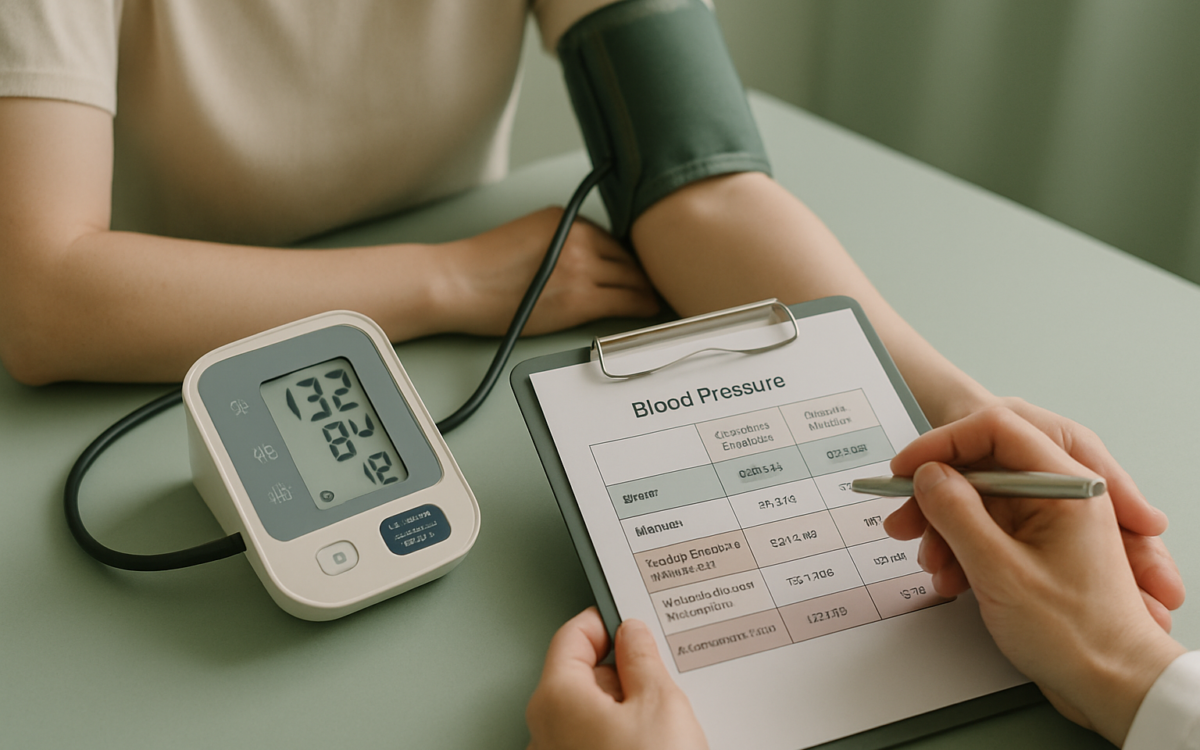
Your blood pressure numbers are like a snapshot of your heart’s health. They tell you how hard your heart is working to pump blood through your body. Understanding these numbers can empower you to take control of your health, especially as you age or if you have risk factors for heart disease.
What Do Blood Pressure Numbers Describe?
Blood pressure is expressed in two numbers: the systolic pressure (the first number) and the diastolic pressure (the second number). But what do these numbers really mean?
- Systolic pressure: This is the pressure in your arteries when your heart beats. It indicates how much pressure your blood is exerting against your artery walls during each heartbeat.
- Diastolic pressure: This number measures the pressure in your arteries when your heart is resting between beats. It reflects the minimal pressure in your blood vessels.
Together, these two numbers provide a complete picture of your heart’s health. For example, a typical reading might be 120/80 mmHg. In this case, 120 is the systolic pressure, and 80 is the diastolic pressure.
Understanding the Blood Pressure Categories
The American Heart Association categorizes blood pressure readings into several groups. Understanding where you fall can help you make important health decisions.
- Normal: Less than 120/80 mmHg
- Elevated: Systolic between 120-129 and diastolic less than 80
- Hypertension Stage 1: Systolic between 130-139 or diastolic between 80-89
- Hypertension Stage 2: Systolic 140 or higher or diastolic 90 or higher
- Hypertensive crisis: Systolic higher than 180 and/or diastolic higher than 120
Each of these categories has implications for health. For example, stages of hypertension may require lifestyle changes, or even medications, to help lower blood pressure and reduce health risks.
Factors Influencing Blood Pressure
Many factors can influence blood pressure, including diet, exercise, weight, age, and stress levels. Here’s a closer look at some of them:
- Diet: A diet high in salt can raise blood pressure, while fruits and vegetables can promote heart health.
- Physical activity: Regular exercise strengthens the heart and can help lower blood pressure.
- Weight: Being overweight can increase strain on your heart, leading to higher blood pressure.
- Stress: Chronic stress can contribute to increases in blood pressure. Finding ways to manage stress, like relaxation techniques or exercise, is essential.
For those living outside of the United States, understanding blood pressure and how to manage it effectively is equally critical. Many international treatment centers, like international patient services, provide resources and guidance to help people understand their health metrics in a global context.
How to Measure Blood Pressure at Home
Measuring your blood pressure at home can be a straightforward process. Here’s how to do it:
- Purchase a reliable blood pressure monitor. There are many types available, but automatic cuff monitors are user-friendly.
- Follow the instructions on proper usage for your device. Take measurements at the same time each day for consistency.
- Ensure you’re seated comfortably, with your back supported and feet flat on the floor. Place the cuff on bare skin above the elbow.
- Keep your arm at heart level and avoid talking or moving during the measurement.
Record your readings regularly and bring this information to your healthcare provider to discuss any variations or concerns.
When to Seek Medical Attention
Recognizing the signs of hypertension is essential for catching potential health issues early. If you experience any of the following symptoms, consult your healthcare provider:
- Severe headaches
- Shortness of breath
- Chest pain
- Irregular heartbeat
These could be signs of a hypertensive crisis, which requires immediate attention.
Conclusion
Knowing what your blood pressure numbers mean can help you make informed decisions about your health. Regular monitoring and understanding the factors that influence your readings are key steps in maintaining a healthy heart. Remember, if you have questions or concerns about your blood pressure, don’t hesitate to consult your doctor for personalized advice.
