
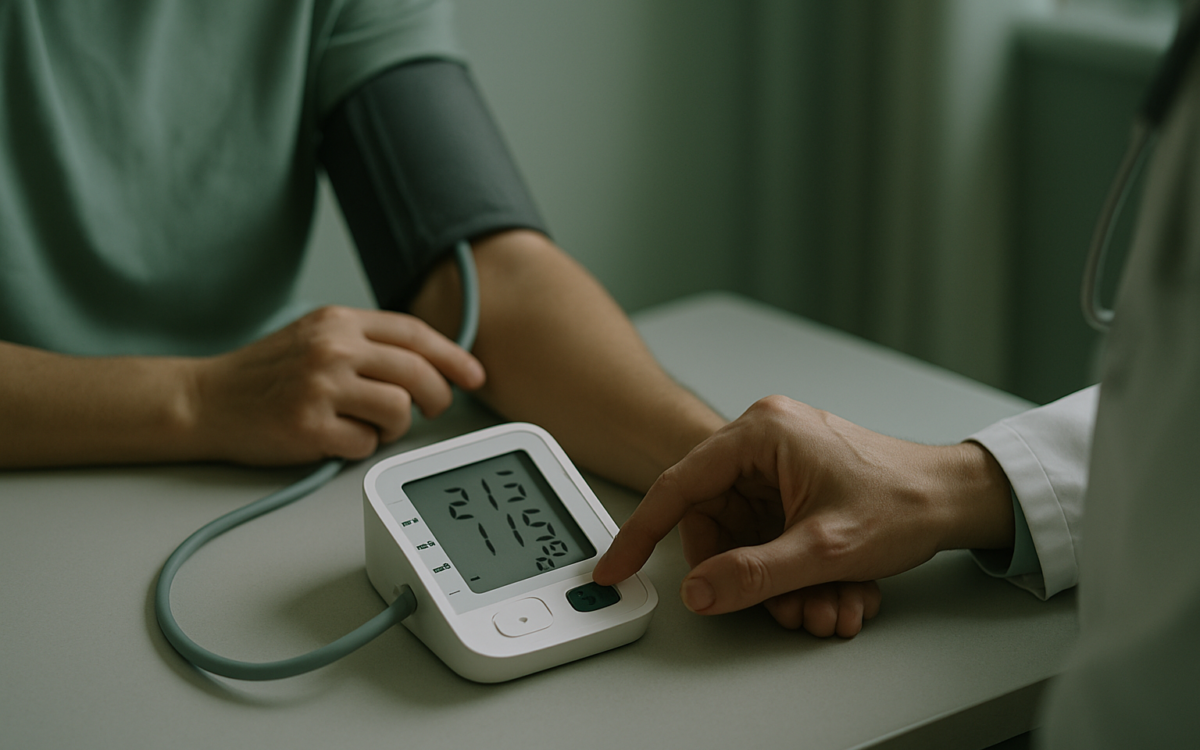
High blood pressure is often referred to as a silent killer. Many people live with elevated blood pressure without knowing the impact it can have on their health. When blood pressure readings exceed 200, the situation becomes even more alarming. Understanding how serious blood pressure over 200 is can help you take crucial steps in maintaining your health.
What is considered high blood pressure?
Blood pressure is measured in millimeters of mercury (mmHg) and consists of two numbers: systolic and diastolic. The systolic number (the higher one) measures the pressure in your arteries when your heart beats, while the diastolic number (the lower one) measures the pressure when your heart is resting between beats. Normal blood pressure is typically around 120/80 mmHg.
High blood pressure, or hypertension, is categorized as follows:
- Elevated: Systolic 120-129 mmHg and diastolic less than 80 mmHg
- Hypertension Stage 1: Systolic 130-139 mmHg or diastolic 80-89 mmHg
- Hypertension Stage 2: Systolic 140 mmHg or higher or diastolic 90 mmHg or higher
- Crisis: Systolic 180 mmHg or higher or diastolic 120 mmHg or higher
When your blood pressure exceeds 200 mmHg, it’s categorized as a hypertensive crisis, demanding immediate medical attention.
Risks associated with extremely high blood pressure
Blood pressure readings over 200 can lead to severe health complications, including:
- Stroke: High blood pressure can cause blood vessels in the brain to burst or clog, leading to a stroke.
- Heart attack: Increased pressure can damage the arteries, potentially resulting in a heart attack.
- Organ damage: Organs like the kidneys, eyes, and heart can suffer due to consistent high pressure.
- Aneurysm: High blood pressure can weaken blood vessels, causing an aneurysm, which can be life-threatening if ruptured.
It’s essential to comprehend that the risks associated with blood pressure over 200 are not just theoretical; they are very real and urgent. The longer these high readings persist, the greater the risk of serious health problems.
What causes blood pressure to rise above 200?
Many factors contribute to spikes in blood pressure. Common causes include:
- Chronic conditions: Diseases like diabetes, kidney disease, and sleep apnea can cause or worsen hypertension.
- Lifestyle choices: Poor diet (high in sodium), physical inactivity, smoking, and excessive alcohol consumption can contribute to high blood pressure.
- Stress: Chronic stress may lead to temporary and sometimes prolonged increases in blood pressure.
- Medications: Certain medications, including over-the-counter pain relievers, can raise blood pressure.
Being aware of these causes is crucial for prevention and management.
How to manage elevated blood pressure
While it’s vital to seek immediate medical attention for blood pressure readings over 200, managing and preventing high blood pressure is possible with the right approach. Consider these strategies:
- Regular monitoring: Keep track of your blood pressure at home and discuss readings with your healthcare provider.
- Healthy diet: Adopt a heart-healthy diet, such as the DASH (Dietary Approaches to Stop Hypertension) diet, which emphasizes fruits, vegetables, whole grains, and low-fat proteins.
- Regular exercise: Aim for at least 150 minutes of moderate aerobic activity each week.
- Limit alcohol and quit smoking: Reducing alcohol intake and quitting smoking can lower blood pressure.
- Manage stress: Engage in relaxation techniques such as yoga, meditation, or deep breathing exercises.
Implementing these healthful changes can improve your overall well-being and prevent future blood pressure spikes.
When to see a doctor
If your blood pressure readings are consistently above 200 mmHg, it is vital to seek medical attention immediately. You should also see a doctor if you experience symptoms such as:
- Severe headache
- Shortness of breath
- Nosebleeds
- Vision changes
- Chest pain
Rapid intervention can help prevent long-term complications, as high blood pressure is a manageable condition with appropriate treatment and lifestyle changes.
Conclusion
Blood pressure readings over 200 are a serious health concern that should not be taken lightly. Understanding the risks and taking preventive measures can save lives. If you or someone you know is experiencing such high blood pressure, consult a healthcare professional for guidance and support. Remember, the journey to a healthier blood pressure is not just about preventing a number from rising; it’s about enhancing your overall quality of life.
