
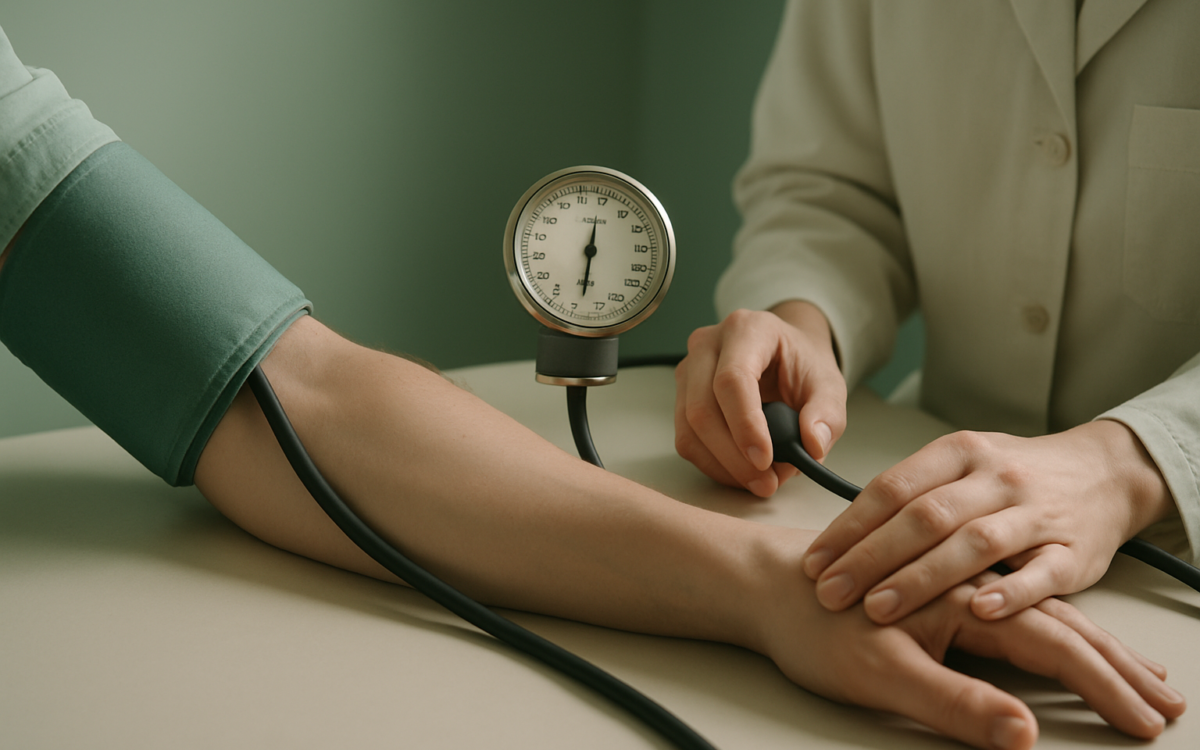
Blood pressure is often discussed in terms of two numbers: systolic and diastolic. Have you ever wondered what these terms mean and why they matter? Understanding the relationship between these two readings can give you valuable insights into your cardiovascular health.
What Do Systolic and Diastolic Mean?
When we talk about blood pressure, we refer to the force of blood pushing against the walls of your arteries. This measurement occurs in two phases:
- Systolic Pressure: This is the first (top) number in a blood pressure reading. It measures the pressure in your arteries when your heart beats and pumps out blood.
- Diastolic Pressure: This is the second (bottom) number. It measures the pressure in your arteries when your heart rests between beats.
A typical blood pressure reading might look like 120/80 mmHg, where 120 is the systolic pressure and 80 is the diastolic pressure. Understanding these numbers is key to grasping how well your heart and blood vessels are functioning.
Why Are Systolic and Diastolic Important?
The balance between systolic and diastolic pressure is crucial for your overall health. Abnormal levels can indicate various health issues:
- High Systolic Pressure: Elevated systolic pressure (hypertenstion) can lead to a greater risk of heart disease and stroke.
- High Diastolic Pressure: While less discussed, elevated diastolic pressure can also be a risk factor for cardiovascular events, especially in younger individuals.
- Low Readings: It’s equally important to consider low readings. Both unusually low systolic or diastolic pressures can indicate health problems, including shock or severe dehydration.
Monitoring both numbers provides a more complete picture of your cardiovascular health than just looking at one.
How to Measure Blood Pressure Accurately
Getting an accurate blood pressure reading is essential for understanding your cardiovascular status. Here are some tips for measuring your blood pressure:
- Use the Right Equipment: Ensure your blood pressure monitor is validated and suitable for your arm size.
- Stay Calm: Rest for at least five minutes before measuring your blood pressure. Stress can elevate readings.
- Positioning Matters: Sit comfortably with your back supported, feet flat on the floor, and arm at heart level.
- Take Multiple Readings: Consider taking two or three readings, waiting a minute or two between each, for more accurate results.
Understanding Blood Pressure Categories
Blood pressure is categorized into different levels, which help identify whether you’re in a healthy range or at risk for hypertension:
- Normal: Systolic less than 120 mmHg and diastolic less than 80 mmHg.
- Elevated: Systolic between 120-129 mmHg and diastolic less than 80 mmHg.
- Hypertension Stage 1: Systolic between 130-139 mmHg or diastolic between 80-89 mmHg.
- Hypertension Stage 2: Systolic 140 mmHg or higher or diastolic 90 mmHg or higher.
- Hypertensive Crisis: Systolic over 180 mmHg and/or diastolic over 120 mmHg, requiring immediate medical attention.
Regular monitoring of your blood pressure can help identify abnormalities early, allowing for timely intervention.
Risk Factors for High Blood Pressure
Many factors can contribute to high blood pressure, which can alter your systolic and diastolic readings:
- Age: Blood pressure tends to rise with age.
- Weight: Being overweight or obese increases risk.
- Diet: High sodium intake can elevate blood pressure.
- Physical Inactivity: A sedentary lifestyle contributes to hypertension.
- Stress: Chronic stress may play a role in high blood pressure.
- Family History: If your family has a history of hypertension, your risk is higher.
Understanding these risk factors can empower you to make lifestyle changes that improve your blood pressure readings.
Strategies for Maintaining Healthy Blood Pressure
Adopting certain habits can help you manage your blood pressure and improve your overall cardiovascular health:
- Eat a Balanced Diet: Focus on fruits, vegetables, whole grains, lean proteins, and healthy fats.
- Engage in Regular Physical Activity: Aim for at least 150 minutes of moderate aerobic exercise each week.
- Limit Sodium Intake: Try to keep sodium consumption below 2,300 mg per day.
- Manage Stress: Practice relaxation techniques like yoga, meditation, or deep breathing exercises.
- Avoid Tobacco and Limit Alcohol: Both can contribute to higher blood pressure.
Making these lifestyle changes can effectively reduce your risk of hypertension and its associated health complications.
When to See a Doctor
Monitoring your blood pressure is essential for maintaining good health. If you notice consistent readings that are elevated or if you experience symptoms like severe headaches, chest pain, or shortness of breath, consult your doctor. They can help interpret your readings and suggest an appropriate plan based on your unique health situation.
Conclusion
Understanding systolic over diastolic blood pressure is crucial for your health. By keeping track of these numbers and being aware of the factors that can influence them, you can take proactive steps toward maintaining a healthy heart. Remember, if you have any concerns about your blood pressure, don’t hesitate to consult your healthcare provider for personalized guidance.
