
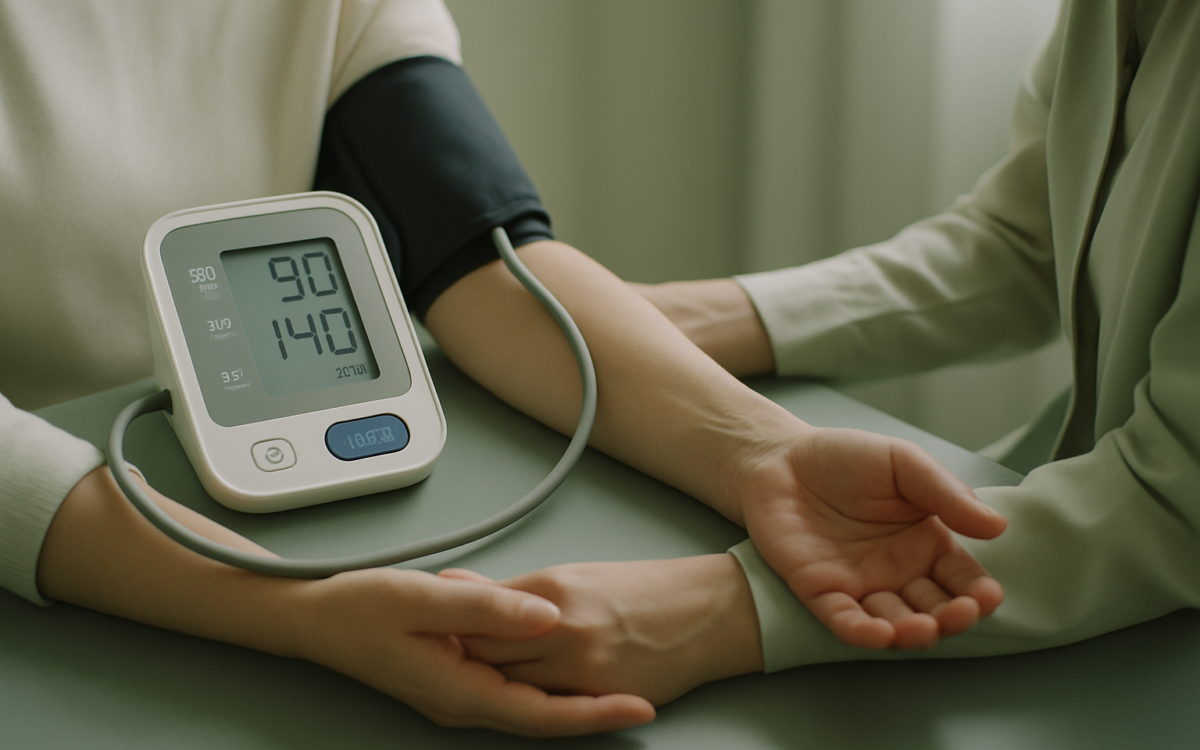
When it comes to understanding our health, blood pressure readings play a crucial role. The numbers often confuse many people, prompting questions about what they mean for our well-being. In particular, a reading like 90 over 140 mm Hg can leave individuals wondering whether they should be concerned or if everything is fine. Let’s break down what these numbers indicate and explore the broader context of blood pressure management.
What Do Blood Pressure Numbers Mean?
Blood pressure is measured using two numbers: systolic and diastolic pressure. The systolic number (the first number) measures the pressure in your arteries when your heart beats, while the diastolic number (the second number) gauges the pressure in your arteries when your heart rests between beats. A typical reading is expressed in millimeters of mercury (mm Hg), like 120/80 mm Hg, which many consider optimal.
Understanding 90/140 Blood Pressure
A reading of 90/140 mm Hg tells a bit of a nuanced story. The systolic number (140) falls into the range associated with hypertension, while the diastolic number (90) is on the lower end of what’s generally considered acceptable. According to the CDC, blood pressure is categorized as follows:
- Normal: less than 120/80 mm Hg
- Elevated: systolic 120-129 and diastolic less than 80
- Hypertension Stage 1: systolic 130-139 or diastolic 80-89
- Hypertension Stage 2: systolic 140 or higher or diastolic 90 or higher
In this case, the reading could indicate Stage 2 hypertension, meaning your systolic pressure is high enough to warrant further evaluation. While the diastolic pressure at 90 might not seem alarming on its own, the combination suggests that there is cause for concern.
Potential Causes of Elevated Blood Pressure
Several factors can contribute to increases in blood pressure, including:
- Diet: High salt intake, processed foods, and sugary drinks can raise blood pressure.
- Lack of Exercise: Being sedentary contributes to weight gain and higher blood pressure.
- Stress: Chronic stress may lead to temporary spikes in blood pressure.
- Weight: Excess weight puts additional strain on the heart, increasing blood pressure.
It’s essential to understand that while specific lifestyle choices can impact blood pressure levels, certain genetic factors also play a role. Understanding your family history is crucial in assessing your risk and making informed decisions.
Health Implications of High Blood Pressure
High blood pressure doesn’t often show symptoms, which is why it’s sometimes called the “silent killer.” However, its long-term effects can be severe. Chronic hypertension can lead to:
- Heart disease and heart failure
- Stroke
- Kidney damage
- Vision loss
- Sexual dysfunction
According to research published in the National Institutes of Health, managing high blood pressure is critical for reducing the risk of serious complications.
Ways to Manage Blood Pressure
If you find yourself with a reading of 90/140 or higher, it’s crucial to take steps to manage your blood pressure effectively. Here are some helpful strategies:
- Maintain a Healthy Diet: Focus on fruits, vegetables, whole grains, and lean proteins. The DASH diet (Dietary Approaches to Stop Hypertension) is a great choice.
- Exercise Regularly: Aim for at least 150 minutes of moderate aerobic activity each week. Walking, swimming, and cycling are excellent choices.
- Limit Alcohol and Quit Smoking: Reducing alcohol intake and quitting smoking can dramatically lower blood pressure.
- Manage Stress: Practices like yoga, meditation, and deep breathing exercises can help lower stress levels.
In addition to these lifestyle changes, consult with your healthcare provider about the possibility of medication if necessary.
When to Monitor Your Blood Pressure
Regular monitoring of blood pressure is essential, especially if you already have high blood pressure or other risk factors for heart disease. It’s a good idea to check your blood pressure:
- At home with a blood pressure monitor
- During routine healthcare appointments
- If you experience symptoms like headaches, dizziness, or blurred vision
Keeping a log of your readings can help you and your healthcare provider track your progress over time.
When to See a Doctor
If you consistently have readings that are 90/140 or higher, or if you experience symptoms such as severe headaches, shortness of breath, or chest pain, it’s time to consult a healthcare provider. Being proactive is vital to managing your blood pressure and overall health.
Whether you’re tackling high blood pressure or just seeking more information, understanding what your numbers mean is the first step toward better health. Regular check-ups, healthy lifestyle habits, and open communication with your healthcare provider can make all the difference in maintaining an optimal blood pressure and ensuring your long-term health.
