
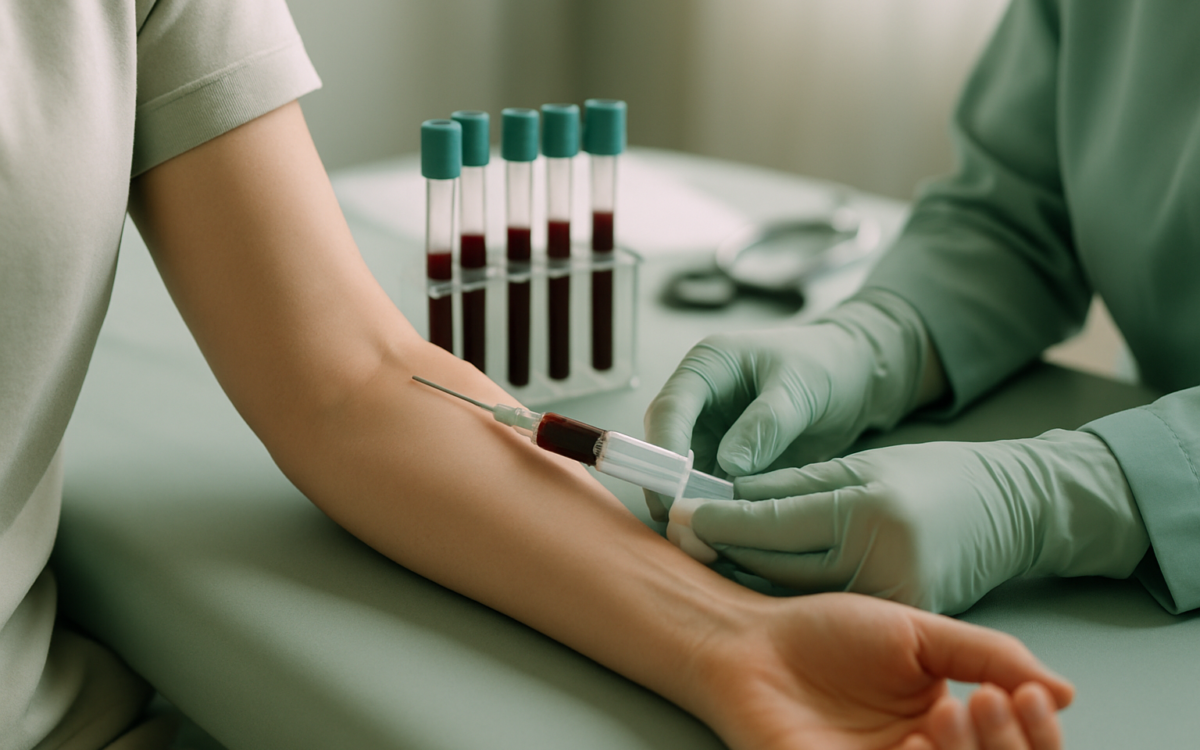
Heart disease is one of the leading causes of death worldwide, but understanding it can empower you to take charge of your health. Blood tests play a crucial role in diagnosing and managing heart disease by helping to assess various risk factors. In this article, we will explore the different types of blood tests used for evaluating heart disease, what they measure, how you can prepare for them, and when you should consider consulting your doctor.
Why Blood Tests Are Important for Heart Health
Blood tests are essential tools in the fight against heart disease. They provide vital information that can help predict your risk of developing heart-related problems. By measuring specific substances in the blood, healthcare providers can identify conditions such as high cholesterol, diabetes, and inflammation that contribute to heart disease.
Types of Blood Tests for Heart Disease
Several key blood tests can provide insights into your heart health. Here are some of the most common ones:
1. Lipid Panel
A lipid panel measures the levels of different types of fats in your blood, including:
- Low-Density Lipoprotein (LDL): Often referred to as “bad cholesterol,” high levels of LDL can lead to plaque buildup in the arteries.
- High-Density Lipoprotein (HDL): Known as “good cholesterol,” HDL helps carry cholesterol away from the arteries.
- Total Cholesterol: This includes both LDL and HDL cholesterol levels.
- Triglycerides: High levels of triglycerides can also increase heart disease risk.
According to the CDC, regular screening for cholesterol levels is essential for adults, especially those with other risk factors.
2. High-Sensitivity C-Reactive Protein (hs-CRP)
Hs-CRP is a marker of inflammation in the body. Research suggests that high levels of CRP may indicate an increased risk of heart disease. This test is particularly useful for individuals who may not have traditional risk factors but are still at risk for heart issues. The National Institutes of Health (NIH) has highlighted the importance of hs-CRP testing in assessing cardiovascular risk.
3. B-type Natriuretic Peptide (BNP)
BNP is a hormone produced by your heart. When the heart is under stress or not functioning well, BNP levels rise. Testing for BNP can help diagnose heart failure or assess the severity of heart disease. It’s particularly useful in acute situations where symptoms of heart problems are present.
4. Blood Glucose Tests
Diabetes is a significant risk factor for heart disease. Blood glucose tests measure the amount of sugar in your blood, indicating how well your body manages carbohydrates. High glucose levels can signal prediabetes or diabetes, putting you at greater risk for heart issues. The World Health Organization (WHO) emphasizes the importance of monitoring blood sugar levels, especially for those with additional risk factors.
Preparing for Blood Tests
Preparation for blood tests may vary based on the specific tests you will undergo, but here are some general tips:
- Fasting Requirements: Some tests, especially lipid panels, may require you to fast for 9 to 12 hours beforehand. Check with your doctor about specific instructions.
- Medications: Inform your doctor about any medications or supplements you take, as some can affect test results.
- Hydrate: Drinking plenty of water can make it easier to draw blood.
Understanding Your Results
Interpreting blood test results can be complicated. Normal ranges can vary based on age, sex, and other factors. Here’s a brief overview of what each blood test indicates:
- Lipid Panel: Desirable LDL levels are typically below 100 mg/dL, while HDL levels should be 60 mg/dL or higher for optimal heart health.
- Hs-CRP: Levels below 1 mg/L are considered low risk, while levels above 3 mg/L indicate high risk of heart disease.
- BNP: A BNP level below 100 pg/mL is generally considered normal, with higher levels indicating worsening heart function.
- Blood Glucose: A normal fasting blood sugar level is less than 100 mg/dL, with levels above 126 mg/dL indicating diabetes.
It is critical to discuss your results with your healthcare provider, who can provide context and develop a plan of action based on your specific health needs.
When to See a Doctor
If you are experiencing symptoms that may indicate heart disease, such as shortness of breath, chest pain, or unusual fatigue, consult a doctor immediately. Regular check-ups are also important for individuals with risk factors, such as high blood pressure, diabetes, or a family history of heart disease. Your doctor will help determine how often you should have blood tests based on your personal risk profile.
Conclusion
Blood tests are a critical component of assessing and managing heart health. By understanding the types of tests available and what they measure, you can work with your healthcare provider to identify potential risks and take proactive steps to improve your heart health. Regular screenings, combined with a healthy lifestyle, can significantly lower your risk of developing heart disease.
