
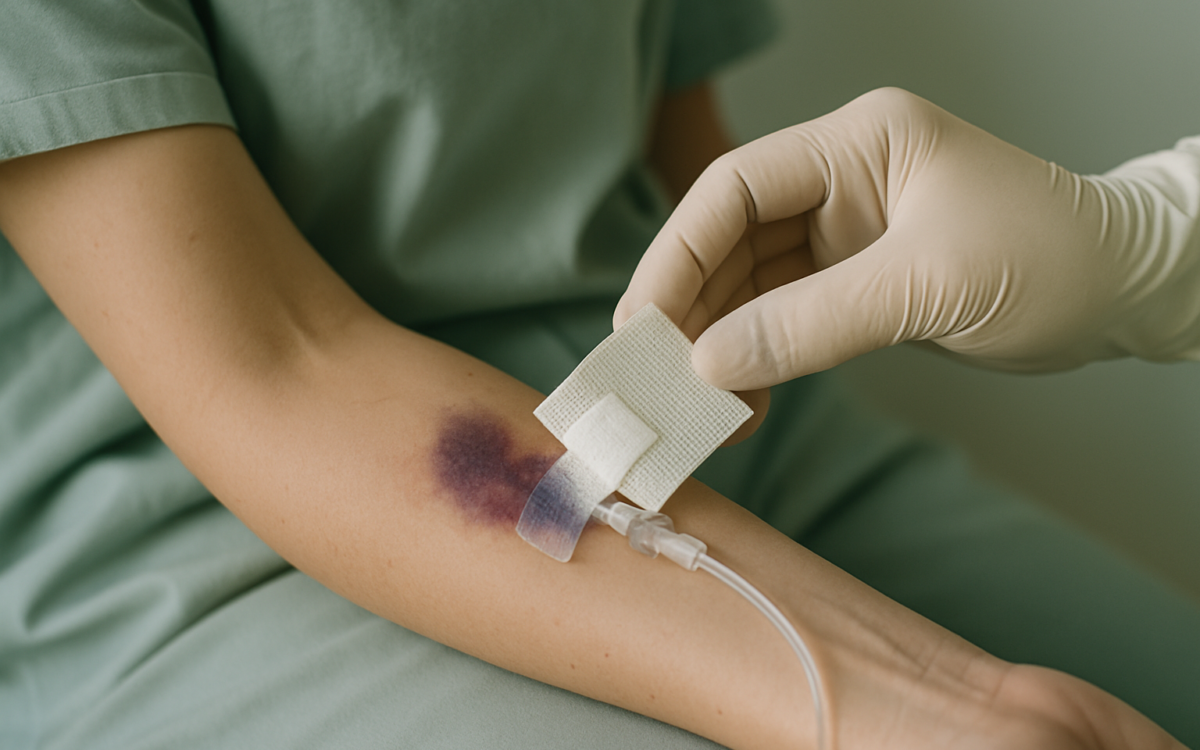
Have you ever experienced a sudden burst of pain and swelling in your arm after getting an IV or a blood draw? If so, you might be dealing with a blown vein. It’s a common situation, especially for individuals who undergo frequent medical procedures. Understanding what causes blown veins, their symptoms, and how to treat them can empower you to take better care of your vascular health.
What is a blown vein?
A blown vein, also known as a venipuncture injury, occurs when a vein is punctured or ruptured during procedures like blood draws or IV placements. This can lead to swelling, bruising, and in some cases, more serious complications. While it might sound alarming, knowing what to expect can help you manage the situation better.
Common Causes of Blown Veins
Blown veins can happen for a variety of reasons, including:
- Improper technique: If a healthcare professional does not insert the needle at the correct angle or fails to stabilize the vein properly, it increases the risk of injuring the vein.
- Overuse of veins: Recurring use of the same vein for IVs or blood draws can weaken it over time, making it more susceptible to injury.
- Dehydration: Poor hydration can cause veins to become smaller and more difficult to access, leading to an increased chance of blowing the vein.
- Fragile veins: Conditions that weaken vein walls, such as advanced age or certain health issues, increase the likelihood of a blown vein.
Symptoms of a Blown Vein
When a vein is blown, several symptoms may occur:
- Pain: Immediate sharp or throbbing pain at the site of the injury.
- Swelling: The area around the vein may swell noticeably.
- Bruising: You may develop discoloration around the puncture site.
- Warmth: The affected area may feel warm to the touch.
If you experience these symptoms, it’s important to assess the situation and take appropriate action.
Treatment Options
Most blown veins can be treated at home with simple measures:
- Apply pressure: After the injury, apply gentle pressure to the site to help stop the bleeding.
- Ice pack: Using an ice pack for 15-20 minutes can reduce swelling and numb the pain.
- Rest and elevate: Keeping the affected arm raised can help decrease swelling.
- Pain relievers: Over-the-counter pain medications like ibuprofen or acetaminophen can help manage discomfort.
However, if the symptoms worsen or do not improve, it may be necessary to seek professional care. In some cases, a blown vein can lead to complications such as a hematoma (a collection of blood outside of blood vessels) or phlebitis (inflammation of the vein).
Prevention Strategies
To minimize the risk of blowing a vein in the future, consider the following tips:
- Stay hydrated: Drinking plenty of water before any medical procedure can help keep your veins supple and prevent blowouts.
- Switch sites: If you require frequent blood draws or IVs, inform your healthcare provider so they can rotate injection sites.
- Communicate with your provider: Mention any history of blown veins or difficulties with venipunctures so the healthcare team can take extra care.
If you are an international patient seeking advanced treatment, you might consider resources such as international patient services that can provide guidance on managing access to healthcare while away from home.
When to See a Doctor
Consult a healthcare professional if you experience:
- Severe and persistent pain in the affected area
- Significant swelling or discoloration
- Signs of infection such as fever or pus at the site
- Prolonged or excessive bleeding
It’s always better to err on the side of caution when it comes to your health.
Conclusion
Blown veins can be an annoying and painful reality for many, but understanding their causes and symptoms can make them easier to manage. By taking preventive measures and knowing when to seek help, you can protect your vein health and enhance your overall wellness. Remember to stay hydrated, communicate openly with your healthcare provider, and don’t hesitate to consult a professional if you’re concerned about your vein health.
