
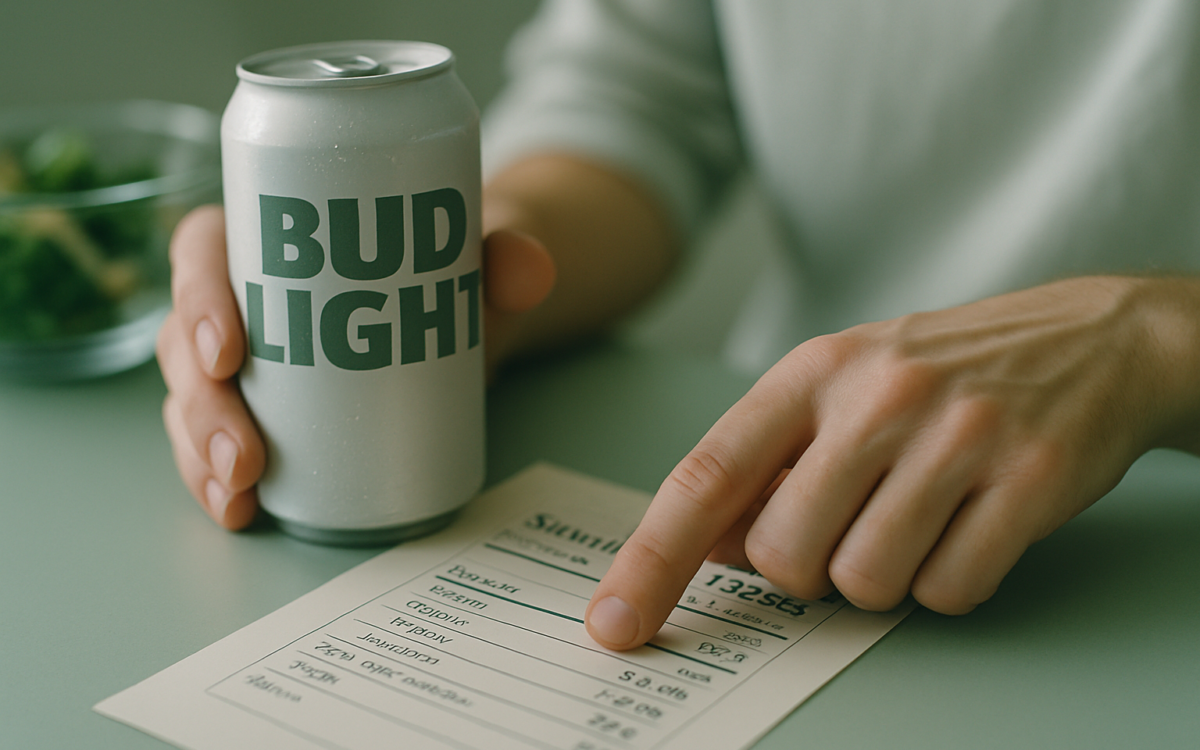
Beer is a popular choice for many social gatherings, and Bud Light is one of the most widely consumed light beers in the United States. With its light flavor and lower calorie content compared to regular beers, it attracts many who want a refreshing drink without a lot of calories. But how many calories are in Bud Light, and what does that mean for your diet and health?
The calorie count of Bud Light
Bud Light contains approximately 110 calories per 12-ounce serving. This makes it one of the lower-calorie beers on the market, which is part of its appeal. In comparison, regular beers often contain around 150-200 calories per 12-ounce serving. The modest calorie count offers a feeling of indulgence without the heavier impact on your daily caloric intake.
Nutritional aspects of Bud Light
In addition to calories, it’s essential to consider the other nutritional components of Bud Light. Each serving typically contains:
- Carbohydrates: 6.6 grams
- Protein: 0.9 grams
- Fat: 0 grams
- Alcohol by volume (ABV): 4.2%
This beer is brewed with barley, rice, and hops, which contribute to its light body and crisp taste. However, while it is lower in calories than regular beers, it still offers minimal nutritional value. If you are considering integrating Bud Light into your diet, it’s wise to balance it with nutrient-rich foods and maintain a healthy lifestyle.
How Bud Light fits into a healthy lifestyle
For many people, enjoying a beer responsibly can be part of a balanced lifestyle. Moderate consumption is key. The Dietary Guidelines for Americans suggest that if alcohol is consumed, it should be in moderation—up to one drink per day for women and up to two drinks per day for men. This means that for someone who enjoys Bud Light, having one can fit into a health-conscious plan.
That said, it’s important to consider who you are when making choices about beer consumption. If you have health conditions like high blood pressure or a history of alcohol misuse, you might want to consult your doctor before having alcoholic beverages. Moreover, for those looking to travel or seek international medical treatments related to alcohol consumption, resources like Acibadem International provide valuable perspectives on health management.
Alternatives to Bud Light
If you’re looking for lower-calorie alternatives to Bud Light, there are several options available. Many breweries have begun to produce light craft beers that offer unique flavors while keeping calorie counts low. Some other light beers you might want to consider include:
- Michelob Ultra: Approximately 95 calories
- Coors Light: Approximately 102 calories
- Miller Lite: Approximately 96 calories
Additionally, if you’re concerned about caloric intake, you might consider other types of beverages, such as hard seltzers, which can also offer refreshing flavors with fewer calories. Ultimately, the choice comes down to personal preference, but being informed will help you make the best choices for your health.
The social aspect of beer drinking
Drinking beers like Bud Light often occurs in social settings, where the atmosphere can influence consumption patterns. It’s not uncommon to find yourself in situations where social norms may encourage drinking more than intended. Being aware of your surroundings and understanding your limits can help maintain a balance between social enjoyment and personal health goals.
Peer pressure, the celebration of events, and long-standing habits may lead to overconsumption. Engaging in mindful drinking strategies, like separating drinking from eating or choosing non-alcoholic options for a few rounds, can be effective in maintaining control over your alcohol intake.
When to see a doctor
If you’re concerned about how alcohol might be affecting your health, or if you notice changes in your body or behavior related to drinking, it’s essential to consult a healthcare professional. Signs that may warrant a discussion with a doctor include frequent hangovers, persistent cravings for alcohol, or withdrawal symptoms when trying to cut back.
Conclusion
Understanding Bud Light calories and how they fit into your overall dietary choices provides valuable insight into responsible drinking. While enjoying a beer can be part of a balanced lifestyle, it’s essential to do so in moderation and consider the quality of your overall nutrition. Whether you choose Bud Light or other alternatives, always be mindful of your health and keep inviting conversations about alcohol and nutrition.
