
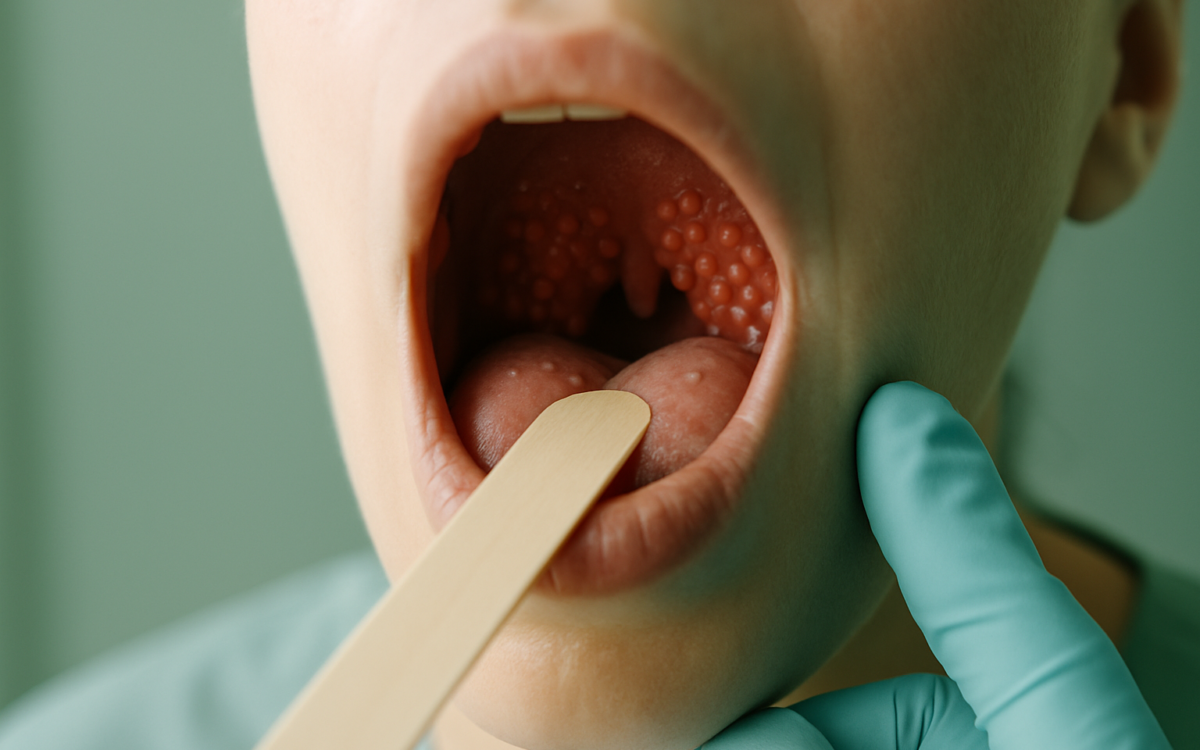
Noticing bumps on the back of your throat can be concerning. These bumps can vary in appearance and size, potentially causing discomfort or anxiety. Understanding the possible causes of these throat bumps, their symptoms, and appropriate responses can help demystify what you’re experiencing and guide you toward better health.
What Are Throat Bumps?
Throat bumps are often a result of various conditions affecting the throat, which is part of your respiratory system. The throat is home to many tissues, including the tonsils, uvula, and the back of your tongue. Bumps may present as small nodes, lumps, or larger growths. They can be a sign of inflammation, infection, or even an allergic reaction.
Common Causes of Bumps on the Back of the Throat
Understanding the potential causes of bumps on the back of your throat can help identify whether the condition is serious or not. Here are some common reasons:
- Tonsillitis: This is an inflammation of the tonsils, often due to viral or bacterial infections. Symptoms can include swollen tonsils, sore throat, and fever. Tonsillitis is common in children but can affect anyone.
- Pharyngitis: Pharyngitis, or inflammation of the pharynx, can cause similar bumps. This condition is frequently caused by viral infections, but bacterial infections, like strep throat, can also be culprits. It often comes with a sore throat, fever, and difficulty swallowing.
- Allergic Reactions: Allergies to dust, pollen, or certain foods can result in swelling and bumps in the throat. These allergic responses often accompany other symptoms like sneezing, itchy eyes, or skin rashes.
- Canker Sores: These small, painful ulcers can form in the mouth and throat, leading to bumps that hurt. They are usually harmless and may clear up on their own.
- Infections: Viral infections, such as the common cold or flu, may lead to swollen lymph nodes in the throat, causing noticeable bumps. Rarely, serious infections like mononucleosis might also present with such symptoms.
- Oral Thrush: A yeast infection in the mouth can lead to white or red bumps in the throat. It is common in individuals with weakened immune systems or those taking certain medications, like antibiotics.
Symptoms Associated with Throat Bumps
The presence of bumps can be accompanied by a variety of symptoms. Recognizing them can help assess the overall situation:
- Sore throat or pain while swallowing
- Fever or chills
- Swollen lymph nodes in the neck
- Redness or irritation in the throat
- Difficulty breathing or a feeling of tightness
If you experience severe symptoms, it’s important to consult a healthcare professional.
Diagnosis of Throat Bumps
When consulting a doctor about bumps in your throat, they may conduct a physical examination and ask about your symptoms. Diagnostic approaches may include:
- Medical History: Discussing your symptoms, duration, and any prior health conditions can help narrow down potential causes.
- Throat Swab: For suspected cases of strep throat or other bacterial infections, your doctor may perform a throat swab to test for pathogens.
- Imaging Tests: In certain cases, imaging tests like X-rays or CT scans may be required to assess abnormalities in the throat.
These procedures will aid your healthcare provider in determining the underlying cause.
Treatment Options for Throat Bumps
Treatment largely depends on the diagnosis. Some common approaches may include:
- Antibiotics: If caused by bacterial infections, antibiotics may be prescribed to combat the infection.
- Home Remedies: Gargling warm salt water, staying hydrated, and using throat lozenges can alleviate discomfort.
- Over-the-Counter Medications: Pain relievers like ibuprofen or acetaminophen may help reduce pain and fever.
- Antihistamines: For allergic reactions, antihistamines can reduce swelling and discomfort.
Always consult your healthcare provider before starting any treatment.
Prevention Strategies
While not all causes of throat bumps can be prevented, several strategies can reduce your risk:
- Maintain Good Hygiene: Regular hand washing can prevent the spread of infections.
- Avoid Allergens: Identifying and minimizing exposure to known allergens can help avoid allergic reactions that lead to throat bumps.
- Stay Hydrated: Keeping hydrated can keep your throat moist, helping to fend off irritation and infections.
While these steps may not guarantee prevention, they can significantly reduce your chances of developing throat issues.
When to See a Doctor
It’s essential to seek medical attention if you notice:
- Persistent or worsening bumps that do not go away
- Severe pain or difficulty swallowing
- Difficulty breathing or significant swelling
- High fever that does not respond to over-the-counter medications
Timely intervention can ensure appropriate treatment and avoid potential complications.
In conclusion, while bumps on the back of your throat can stem from various causes, many are harmless and can be managed with appropriate care. Understanding your symptoms and knowing when to consult a healthcare provider are crucial steps in addressing throat health. For more information on throat-related health concerns, visit reputable sources like the NIH or the Mayo Clinic.
