
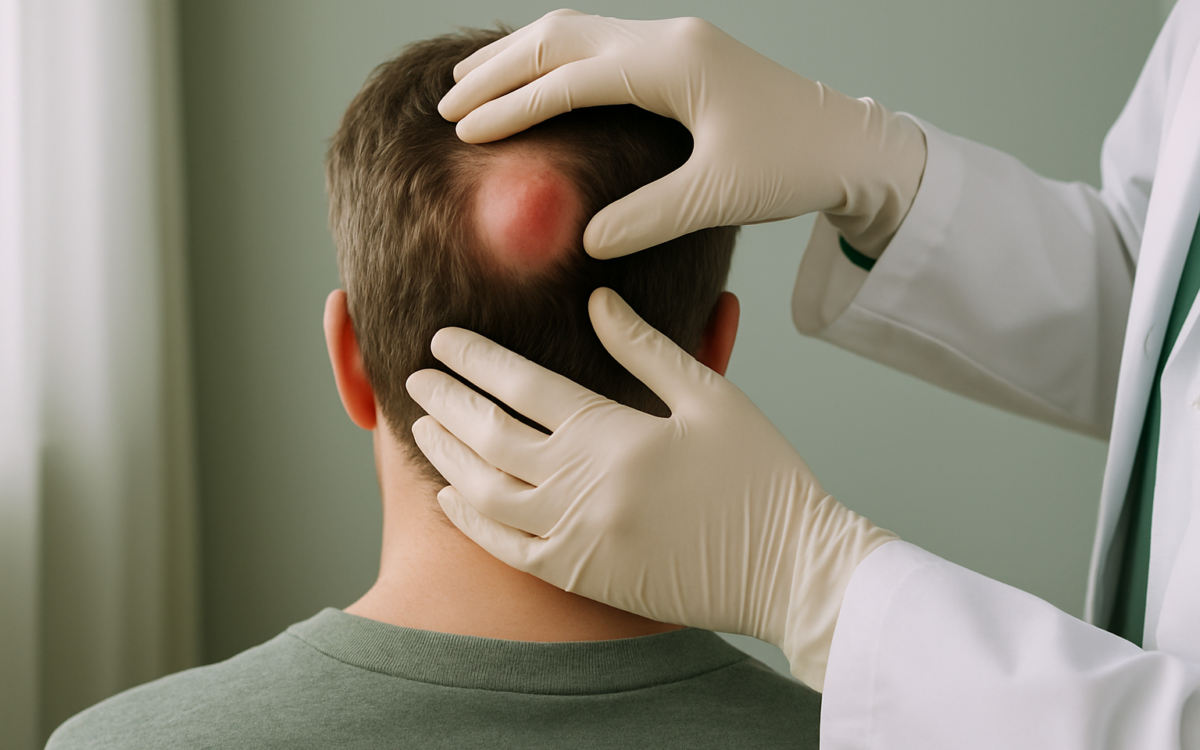
Finding a bump on your head can be concerning. Whether it was caused by a fall, a sports injury, or even just an accident, the first instinct is often to worry. In most cases, a bump on the head is minor, but it’s important to understand the potential causes, what to look out for, and when to seek medical attention.
What Causes Bumps on the Head?
Bumps on the head can occur for a variety of reasons, ranging from minor injuries to more serious conditions. Here are some common causes:
- Trauma: The most common cause of a bump on the head is trauma. A fall, bump, or hit to the head can create a localized swelling known as a hematoma.
- Insect bites: Sometimes, bumps can occur due to insect bites or stings on the scalp.
- Cysts: Sebaceous cysts, which can develop on the scalp, may also feel like bumps.
- Infections: Skin infections like folliculitis or cellulitis can cause swelling and lumps.
- Other conditions: In rarer cases, bumps might indicate a condition like bone spurs or tumors.
Signs and Symptoms to Monitor
Most bumps on the head are harmless, but being aware of accompanying symptoms can help you determine whether further action is needed. Here are some symptoms to observe:
- Size: Is the bump increasing in size?
- Pain: Is there significant pain or tenderness when touched?
- Discoloration: Is there swelling accompanied by bruising?
- Fluid: Is there any discharge or leaking from the bump?
- Headaches: Are you experiencing severe or persistent headaches?
- Consciousness changes: Are you feeling dizzy, nauseous, or unusually sleepy?
Self-Care at Home
If you or someone else has a minor bump on the head, there are several self-care strategies that can help manage discomfort and reduce swelling:
- Rest: Allow the injured area to rest. Avoid any strenuous activity that may exacerbate the injury.
- Ice pack: Apply a cold pack wrapped in a cloth to the bump for 15-20 minutes at a time. This can help reduce swelling and numb discomfort.
- Pain relief: Over-the-counter pain relievers, such as acetaminophen or ibuprofen, can help alleviate pain.
When to Seek Medical Attention
While many bumps on the head are not serious, there are specific situations in which you should consult a healthcare professional. Knowing when to seek help can be crucial:
- If the bump is growing in size or does not go down in a few days.
- If the person experiences loss of consciousness, confusion, or severe headaches.
- If there is persistent vomiting or seizures.
- If there are signs of infection, such as redness, warmth, or discharge from the bump.
- If you are unsure about the nature of the injury and feel worried about it.
Understanding Head Injuries
Head injuries can range from minor to severe. Understanding the difference is key. A minor bump or contusion typically does not require extensive treatment, whereas more serious injuries may lead to complications:
- Concussion: This occurs when the brain is shaken inside the skull. Symptoms can include dizziness, confusion, headache, and nausea.
- Skull fracture: This is a more serious injury where the skull cracks or breaks, which may require more significant medical intervention.
If there’s ever any doubt about the seriousness of an injury, it’s always best to consult a healthcare professional. They may recommend imaging tests such as a CT scan or MRI to rule out any serious damage.
Long-Term Monitoring and Care
After experiencing a bump on the head, it’s essential to monitor your symptoms over time. If any new symptoms arise or existing symptoms worsen, reach out to a healthcare provider. Keeping a record of your condition can assist medical professionals in understanding your situation and how best to help.
Conclusion
While a bump on the head can cause concern, understanding the potential causes, symptoms, and appropriate care can help ease your worries. Remember that many bumps are minor and treatable at home. However, if you notice any concerning signs, it’s important to seek medical advice. Your health and safety are always a priority.
