
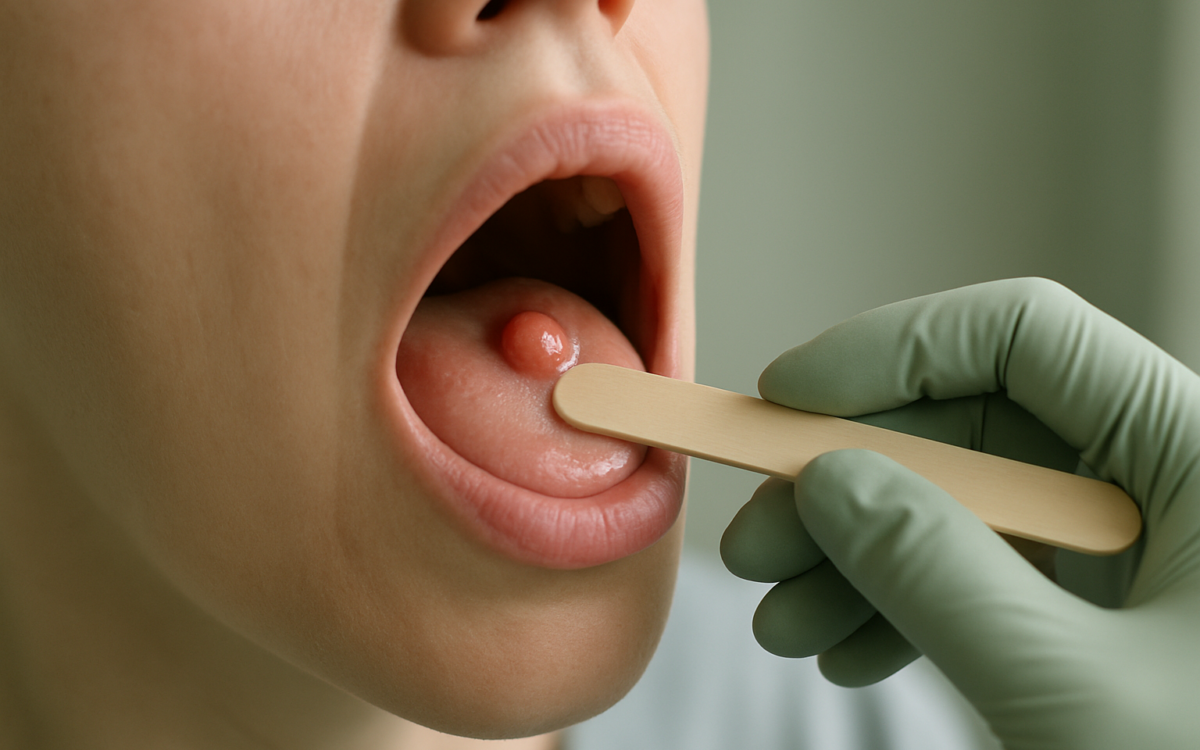
Noticing a bump on the roof of your mouth can be concerning, especially if you’ve never experienced anything like it before. Your mouth is a key part of your body, playing a vital role in your daily functions such as eating, speaking, and breathing. When something feels off, it’s natural to seek understanding of what could be happening. In this article, we’ll explore common causes of bumps on the roof of your mouth, symptoms to watch for, and when it might be time to consult a healthcare professional.
Common Causes of Bumps on the Roof of the Mouth
A variety of factors can lead to the development of bumps on the roof of your mouth. Here are some common reasons:
- Mucoceles: These fluid-filled sacs typically occur when salivary glands become blocked. They are usually harmless and may resolve on their own.
- Throat infections: Conditions like strep throat or viral infections can cause swelling and bumps in the mouth area.
- Oral cysts: Cysts can develop in the mouth for various reasons and may require medical attention if they persist.
- Injuries: Bumps can appear due to trauma, such as biting the roof of your mouth or irritation from dental appliances.
- Allergic reactions: Exposure to certain food items or medications may cause localized swelling.
Identifying Symptoms
Recognizing the symptoms associated with bumps on the roof of your mouth can help you determine whether you need to seek medical care. Symptoms to consider include:
- Pain or discomfort: Is the bump painful, or does it feel like a minor irritation? If it causes significant discomfort, it’s worth mentioning to your doctor.
- Persistent growth: If the bump does not heal or continues to grow over time, keep track of its changes.
- Difficulty swallowing or speaking: Any issues with these daily functions may indicate a more serious underlying condition.
- Other symptoms: Fever, swelling in the neck, or rash may accompany bumps, suggesting an infection or allergy.
Possible Diagnosis
If you decide to seek a medical opinion, a healthcare professional may conduct a thorough examination to figure out what’s causing your bump. Here are some common diagnostic processes:
- Physical examination: A doctor will inspect your mouth and take notes about the size, shape, and color of the bump.
- Medical history: Discussing your medical history and any recent symptoms can provide valuable insights.
- Further testing: In some cases, you may need imaging tests or a biopsy to rule out more serious conditions.
Home Care and Management
While many bumps on the roof of your mouth resolve on their own, there are some general care strategies you can adopt:
- Maintain oral hygiene: Brushing and flossing your teeth regularly can help prevent infections.
- Stay hydrated: Drinking plenty of water can help keep your mouth moist and encourage healing.
- Avoid irritants: Try to avoid spicy, hot, or acidic foods that may further irritate the bump.
- Use over-the-counter remedies: Soothing mouthwashes or sprays may provide temporary relief for discomfort.
When to See a Doctor
Although many bumps on the roof of the mouth are harmless, there are circumstances when you should consult a healthcare provider. Consider reaching out if:
- The bump lasts more than two weeks.
- You experience severe pain or discomfort.
- There are accompanying symptoms like fever, swelling, or an inability to swallow.
- You notice any unusual changes in the appearance of the bump.
Conclusion
In summary, having a bump on the roof of your mouth can stem from various causes, and many of them are harmless. However, it’s essential to keep track of any symptoms and changes over time. Maintaining good oral hygiene and being aware of what your body is telling you are key steps in managing your health. If you have concerns, do not hesitate to consult a healthcare professional for guidance and peace of mind. For further reading on oral health, you can visit the National Institutes of Health.
