
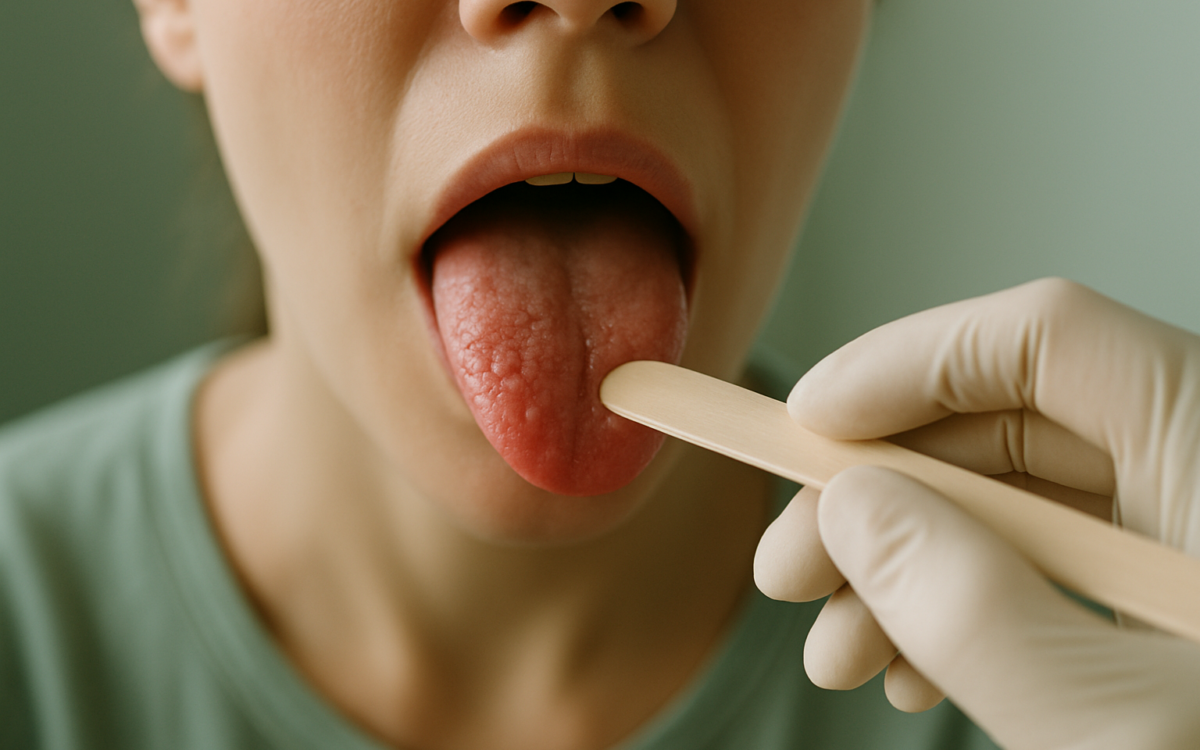
Finding bumps beneath your tongue can be alarming. While they often turn out to be harmless, they can also signify underlying issues that need attention. Let’s explore the possible causes, how to recognize different types of bumps, and when it’s essential to see a healthcare provider.
Common Causes of Bumps Under the Tongue
Bumps under the tongue can occur for various reasons, ranging from minor irritations to more significant health concerns. Here are some common culprits:
- Mucocele: This is a fluid-filled sac that often arises from blocked salivary glands due to injury or prolonged irritations. Mucoceles are usually painless and may clear up on their own.
- Fordyce Spots: These are harmless, painless small bumps that appear on the inner surface of the lips or the tongue. They are sebaceous glands that don’t have hair follicles and are normal anatomical variations.
- Swollen Lymph Nodes: These can sometimes appear as lumps under the tongue. They typically indicate that your body is fighting an infection related to the mouth, throat, or neck.
- Oral Canker Sores: These shallow ulcers can develop on the soft tissues in your mouth, including under your tongue. They can be painful but usually resolve within a couple of weeks.
- Infections: Viral or bacterial infections—like herpes simplex virus or thrush—can lead to bumps or lesions appearing in and around the mouth.
When to Be Concerned
While many bumps under the tongue are benign, certain characteristics may warrant a visit to your healthcare provider. Watch for the following:
- Persistent bumps that do not go away after two weeks.
- Changes in color or texture, especially if the bump becomes hard or painful.
- Swelling of nearby areas, fever, or systemic symptoms such as significant fatigue.
- Difficulty eating, swallowing, or speaking.
Diagnosing Bumps Under the Tongue
If you notice persistent bumps under your tongue, your doctor will take a comprehensive approach to diagnosis. This may include:
- Physical Examination: Your healthcare provider will start with a thorough examination of your mouth and tongue, noting the size, shape, and color of the bumps.
- Medical History: A discussion about any symptoms, recent illnesses, and medications will help them understand potential underlying issues.
- Further Testing: If necessary, tests such as blood work, imaging studies, or even a biopsy may be used to get more information.
Self-Care and Prevention
Maintaining good oral hygiene can help reduce the risk of developing bumps under the tongue. Here are some preventive tips:
- Brush and floss your teeth regularly to prevent infections.
- Use mouthwash that helps kill bacteria and freshen breath.
- Avoid trauma to the mouth by being cautious while eating or using dental appliances.
- Stay hydrated, as dry mouth can exacerbate oral problems.
Home Remedies for Mild Conditions
In cases where the bumps are not concerning, there are some home remedies you might try:
- Saltwater Rinse: Rinsing your mouth with warm saltwater can help soothe inflammation and promote healing.
- Cold Compress: Applying a cold compress to the area may reduce swelling and discomfort.
- Antimicrobial Mouthwash: Using a non-alcoholic mouthwash can help keep your mouth clean without causing further irritation.
When to See a Doctor
If you notice persistent or concerning symptoms, don’t hesitate to contact your healthcare provider. This is particularly important if:
- Bumps linger longer than two weeks.
- You experience severe pain, swelling, or difficulty with everyday activities like eating.
- You have a history of oral conditions or other health concerns.
For more information about oral health and conditions that affect the mouth, you might find resources from the Mayo Clinic and NIH useful.
Conclusion
While bumps under the tongue can be a source of concern, many are harmless. Understanding their potential causes and symptoms can help you feel more empowered about your health. Always consult a healthcare provider if you have any doubts or persistent symptoms. Taking charge of your oral health is essential for overall well-being!
