
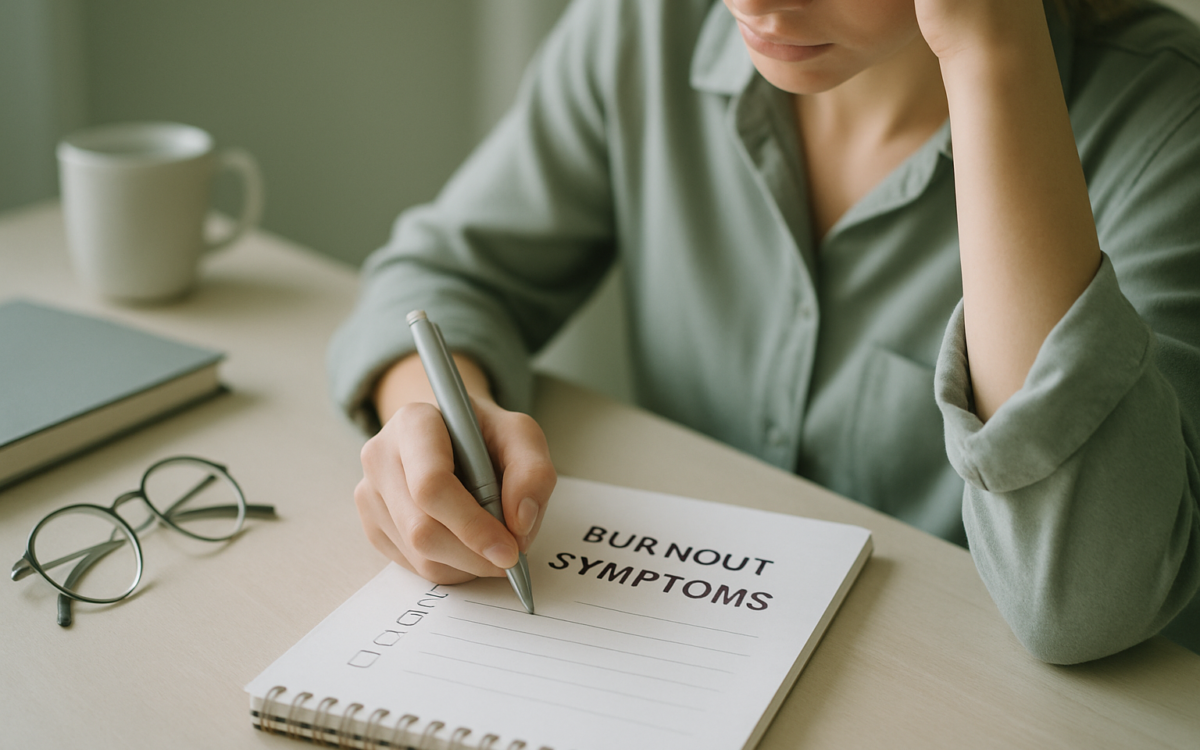
In today’s fast-paced world, burnout has become an increasingly common issue. Whether caused by work stress, personal challenges, or a combination of both, recognizing the symptoms of burnout is crucial for our emotional and physical well-being. This article will provide a detailed list of burnout symptoms, helping you identify if you or someone you care about might be experiencing this condition.
What is Burnout?
Burnout is defined as a state of chronic physical and emotional exhaustion often linked to prolonged stress. It can occur in any aspect of life, but it is particularly prevalent among individuals in demanding jobs or care roles. According to the World Health Organization, burnout is characterized by three main dimensions: feelings of energy depletion, increased mental distance from one’s job, and reduced professional efficacy.
Emotional Symptoms of Burnout
One of the most telling signs of burnout is emotional exhaustion. Here are some common emotional symptoms to look out for:
- Feelings of hopelessness: You may start to feel as if your efforts are pointless.
- Irritability: Situations that once didn’t bother you may begin to annoy you more than ever.
- Lack of motivation: You might find it hard to engage in activities you once enjoyed.
- Increased cynicism: You may develop a negative outlook towards your work and colleagues.
Physical Symptoms of Burnout
Burnout isn’t just a mental issue; it can manifest physically as well. Some common physical symptoms include:
- Chronic fatigue: Feeling tired, even after a full night’s sleep, is a significant indicator of burnout.
- Sleep disturbances: Difficulty falling asleep or staying asleep may occur as stress levels rise.
- Headaches and muscle pain: Persistent bodily aches can signal that your body is under continuous strain.
- Digestive issues: Stress often impacts the digestive system, leading to stomach aches, bloating, or other digestive problems.
Cognitive Symptoms of Burnout
Burnout can also impair cognitive functions, affecting your ability to think clearly. Symptoms might include:
- Difficulty concentrating: Trouble focusing on tasks is a common complaint amongst those experiencing burnout.
- Memory issues: You may find it hard to remember details or complete tasks you used to manage easily.
- Decision-making challenges: Feeling overwhelmed can make it hard to make even simple decisions.
Behavioral Symptoms of Burnout
Behavioral changes can also indicate burnout. Watch for the following:
- Withdrawal from social activities: Avoiding friends and family may signal a deeper problem.
- Decreased performance: You may find yourself missing deadlines and producing lower quality work.
- Substance misuse: Some people turn to alcohol or drugs as a way to cope with stress.
How Burnout Differs from Stress
It’s important to distinguish between regular stress and burnout. While stress can lead to feelings of being overwhelmed and anxious, burnout brings a sense of emptiness and exhaustion that can affect all aspects of life. A person experiencing stress might feel a sense of urgency, while someone experiencing burnout may feel detached and indifferent.
When to See a Doctor
If you recognize these symptoms in yourself or someone else, it may be time to reach out for help. Chronic burnout can lead to more serious mental health issues, including depression and anxiety. Consulting with a healthcare professional can provide guidance and treatment options. According to the National Institutes of Health, addressing emotional exhaustion early is key to preventing long-term health consequences.
In summary, burnout is a serious condition that can affect anyone. By being aware of the symptoms, you can take proactive steps toward managing your mental health and preventing burnout from taking hold.
