
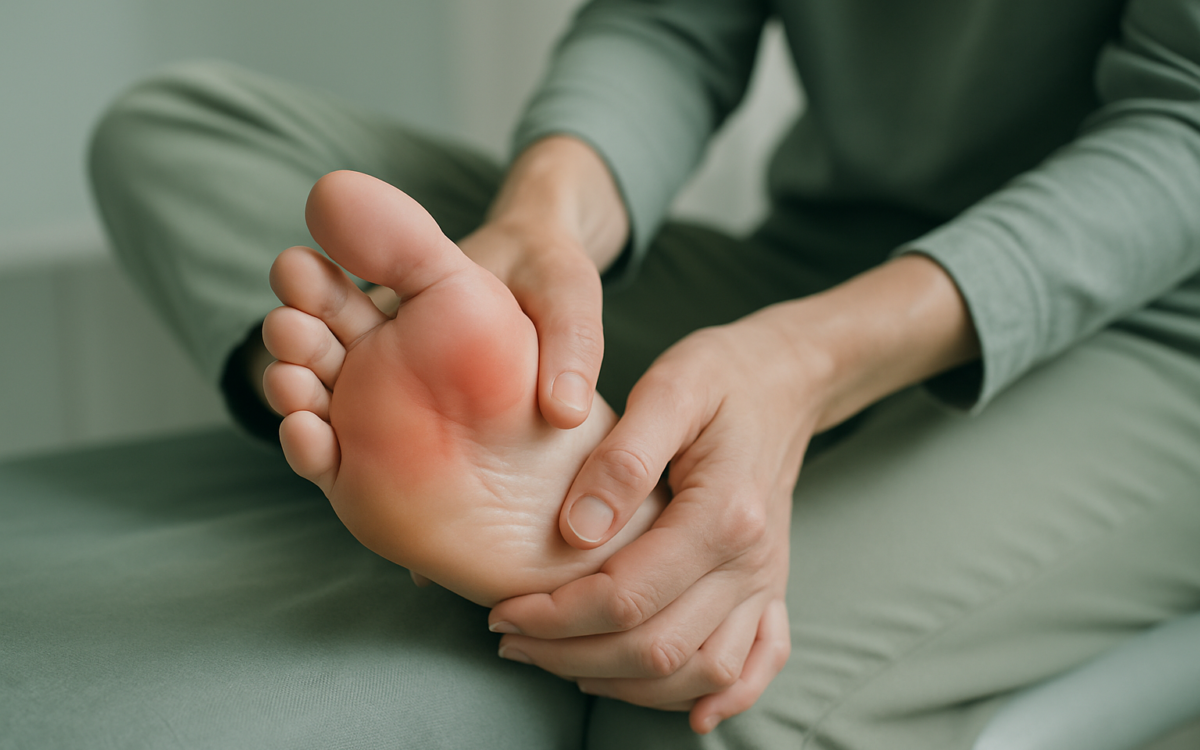
Bursitis in the foot can be a painful condition that affects your daily activities. Understanding what causes it and how to manage its symptoms is essential for anyone dealing with foot pain. Let’s explore the ins and outs of bursitis in the foot, the types of bursitis you may encounter, and the best ways to find relief.
What is Foot Bursitis?
Bursitis occurs when the bursae, small fluid-filled sacs that cushion bones, tendons, and muscles near your joints, become inflamed. In the foot, bursitis can lead to chronic pain and discomfort, impacting mobility. Common sites for bursitis in the foot are the heel, the big toe, and the top of the foot.
Causes of Bursitis in the Foot
- Repetitive Motion: Activities that involve repetitive foot movements, such as running or dancing, increase stress on the bursae, leading to inflammation.
- Injury: Direct trauma to the foot, such as from a fall, can irritate the bursae and result in bursitis.
- Foot Structure: Abnormal foot mechanics, like flat feet or high arches, can cause uneven weight distribution, contributing to bursitis.
- Health Conditions: Certain medical conditions, such as arthritis or gout, can increase the risk of bursitis by causing inflammation in the body.
Common Symptoms of Foot Bursitis
The symptoms of foot bursitis can vary depending on the location and severity of the inflammation. Here are some common signs to look for:
- Pain: A localized sharp or aching pain that worsens with activity and improves with rest.
- Swelling: Visible swelling around the affected area.
- Tenderness: Increased sensitivity to touch in the affected region.
- Limited Mobility: Difficulty moving the foot, particularly in activities like walking or running.
Diagnosing Bursitis in the Foot
If you suspect you have bursitis, it’s essential to consult a healthcare provider for a proper diagnosis. Your doctor may conduct a physical examination, evaluate your medical history, and recommend imaging tests such as X-rays or MRIs to confirm inflammation of the bursae and rule out other conditions.
Treatment Options for Foot Bursitis
While bursitis can be painful, there are several effective treatment options to manage your symptoms and promote healing:
- Rest: Giving your foot a break from high-impact activities can help reduce inflammation.
- Ice: Applying ice packs for 15-20 minutes can relieve swelling and numb the area.
- Compression: Using bandages or compression socks can provide support and limit swelling.
- Elevation: Keeping your foot elevated can help reduce swelling.
- Medications: Over-the-counter nonsteroidal anti-inflammatory drugs (NSAIDs) can help alleviate pain and reduce inflammation.
- Physical Therapy: Strengthening and stretching exercises tailored to your specific needs can help improve mobility and reduce recurrent episodes of bursitis.
- Injections: In some cases, cortisone injections may be recommended to reduce severe inflammation.
Preventing Foot Bursitis
Taking proactive steps can help prevent the recurrence of bursitis. Consider these strategies:
- Footwear: Choose shoes that provide good support and cushioning; avoid high heels or shoes that place undue pressure on your feet.
- Warm-Up: Always take time to warm up before engaging in physical activities to prepare your muscles and joints.
- Modify Activities: If you’re active in sports, consider modifying your routine to reduce high-impact movements that strain your feet.
- Maintain a Healthy Weight: Excess weight can increase stress on your joints and feet, raising the risk of bursitis.
When to See a Doctor
If you’re experiencing persistent pain in your foot, swelling that doesn’t subside, or if your symptoms worsen despite home treatment, it’s crucial to seek medical attention. Early intervention can prevent further complications and ensure a timely recovery.
For more information about bursitis and its management, consider visiting reputable sources like the NIH or the Mayo Clinic.
Overall, understanding foot bursitis is key to managing your symptoms and improving your quality of life. With the right approach, you can reduce pain and get back to your regular activities.
