
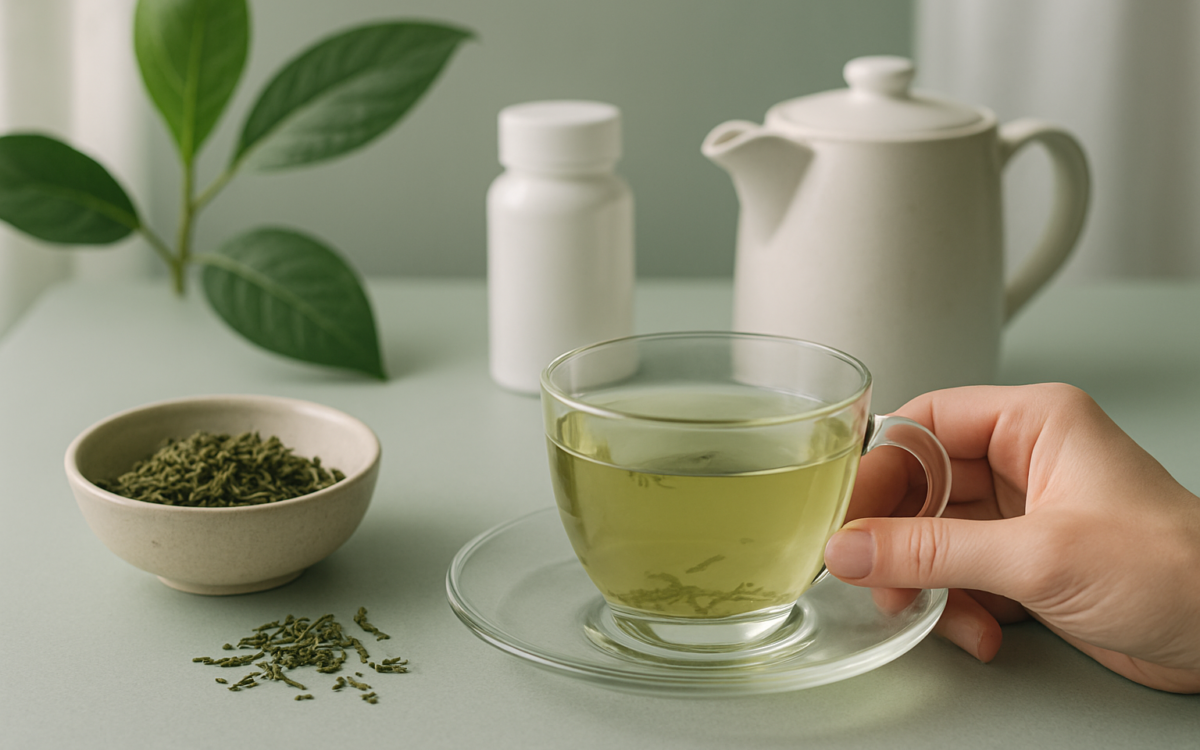
Green tea has become one of the most popular beverages worldwide, celebrated for its numerous health benefits. Whether enjoyed as a warm cup or iced refreshment, many people wonder about the caffeine content in this beloved drink. Does green tea have caffeine, and how does it compare to other common beverages? Let’s dive in!
What Is Caffeine?
Caffeine is a natural stimulant that affects the central nervous system, helping to increase alertness and reduce fatigue. It’s found in various plants and is a key component in coffee, tea, chocolate, and many soft drinks. Understanding caffeine is essential, as it can influence sleep, mood, and energy levels.
Does Green Tea Contain Caffeine?
Yes, green tea does contain caffeine, though typically in lower amounts compared to beverages like coffee. A standard 8-ounce cup of green tea contains about 20-45 milligrams of caffeine, while an 8-ounce cup of brewed coffee can contain 95-200 milligrams of caffeine or more. The actual amount in green tea can vary based on factors like the type of tea, how it’s processed, and the steeping time.
Factors Influencing Caffeine Levels in Green Tea
Several variables can affect how much caffeine is present in your green tea:
- Type of Green Tea: Different varieties, such as matcha, sencha, or gyokuro, have different caffeine levels. Matcha, for instance, tends to have more caffeine because it uses the whole leaf in powdered form.
- Brewing Time: The longer you steep green tea, the more caffeine it can release. A steep time of 2-3 minutes generally yields a milder cup, while longer infusion times increase caffeine extraction.
- Water Temperature: Hotter water can extract more caffeine. Steeping green tea in boiling water will likely result in a higher caffeine content than using cooler water.
Health Benefits of Green Tea
Beyond quenching your thirst, green tea offers various health benefits, some of which are attributed to its caffeine content:
- Increased Alertness: The caffeine in green tea can help improve focus and alertness without the jittery effects commonly associated with coffee.
- Antioxidant Properties: Green tea is rich in antioxidants called catechins, which may protect against cell damage and reduce the risk of some chronic diseases, including heart disease and diabetes. For more on antioxidants, you can refer to information from the NIH.
- Boosting Metabolism: Some studies suggest that the combination of caffeine and catechins in green tea may support weight management by enhancing metabolic rate.
Comparing Green Tea to Other Teas and Beverages
Understanding green tea’s caffeine can help you decide how it fits into your beverage choices. Here’s a comparison of caffeine content in different drinks:
- Green Tea (8 oz): 20-45 mg
- Black Tea (8 oz): Approximately 40-70 mg
- Coffee (8 oz): 95-200 mg
- Herbal Tea (8 oz): Typically caffeine-free
This data shows that while green tea does contain some caffeine, it is much lower than coffee and somewhat comparable to black tea.
When to Monitor Your Caffeine Intake
While moderate caffeine consumption is generally considered safe for most adults, some people may be more sensitive to its effects, leading to anxiety, sleep disturbances, or increased heart rate. It’s essential to pay attention to how your body reacts. If you notice negative effects, consider cutting back on caffeine or switching to decaffeinated or herbal options.
When to See a Doctor
If you experience severe side effects from caffeine, such as persistent headaches, insomnia, or palpitations, it’s wise to consult a healthcare professional. They can help you determine whether you should adjust your caffeine intake.
Conclusion
Green tea offers a delightful way to enjoy a warm beverage while also reaping potential health benefits. With its moderate caffeine content, it can be a great alternative to coffee for those looking for a gentler pick-me-up. By understanding what affects the caffeine levels and recognizing its benefits, you can make informed decisions about how to include green tea in your daily routine. Remember, moderation is key, and when in doubt, consulting a healthcare provider is always a good option.
