
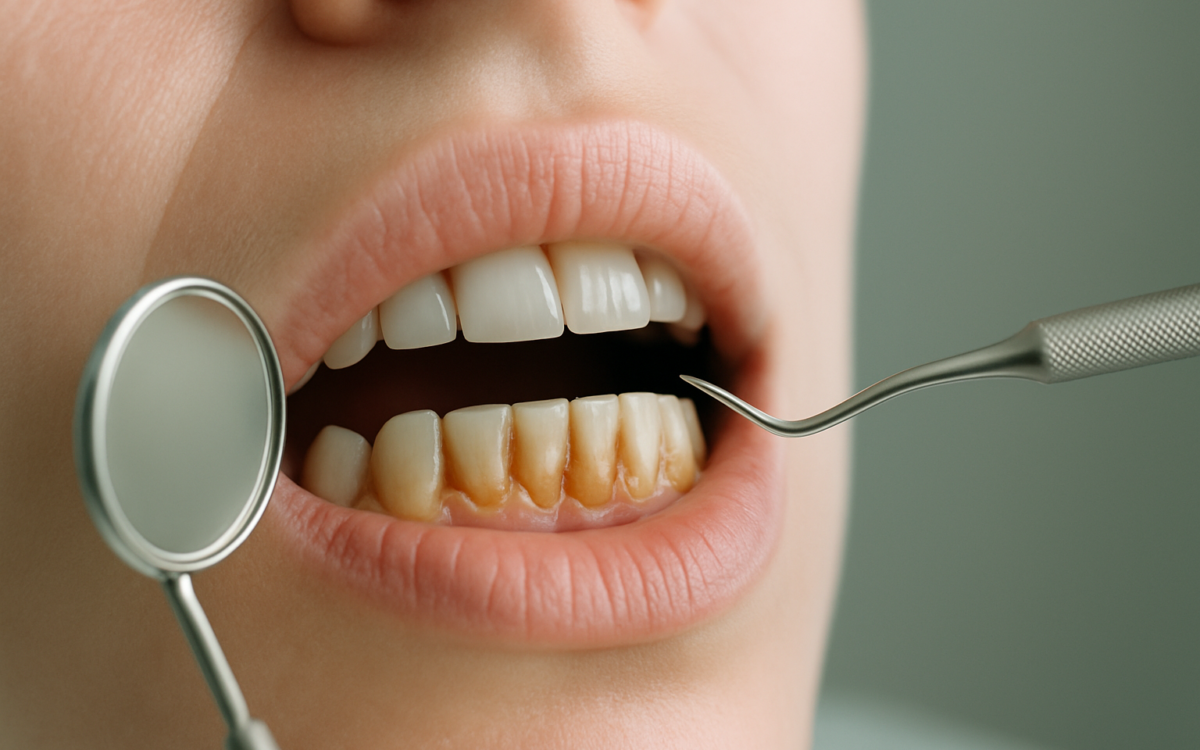
For many, the phrase “dental calculus” may sound unfamiliar or daunting. However, it’s an issue that affects the dental health of many individuals. Commonly known as tartar, dental calculus can lead to other oral health problems if left untreated. One specific concern that arises from the buildup of calculus is the formation of what’s known as a calculus bridge. In this article, we will explore the concept of calculus bridges, how they form, and why maintaining oral hygiene is crucial.
What Are Calculus Bridges?
Calculus bridges are essentially deposits of hardened dental plaque that form in areas of your mouth, especially around the gumline. These bridges can create a barrier that may connect two or more teeth or even tissues in the mouth. When plaque is not adequately removed through regular brushing and flossing, it can harden and develop into calculus. Over time, this can lead to further gum issues, tooth decay, and even infection.
How Do Calculus Bridges Form?
Understanding the formation of calculus bridges begins with knowing how dental plaque develops. Here’s a simple breakdown:
- Plaque Development: Every day, a sticky film of bacteria forms on your teeth. This film is known as dental plaque.
- Plaque Hardening: If not removed, plaque can turn into calculus within just a few days. This often occurs in hard-to-reach areas.
- Extension and Connection: As calculus continues to build up, it can extend between teeth, bridging gaps, which may create the aforementioned calculus bridge.
According to the Mayo Clinic, neglecting oral hygiene allows these conditions to worsen, making professional dental intervention necessary.
Signs and Symptoms of Calculus Bridges
While calculus bridges may not always be visible or cause discomfort, there are several signs to be aware of:
- Swollen or Bleeding Gums: Inflammation and bleeding during brushing can indicate gum disease linked to calculus buildup.
- Bad Breath: A persistent foul odor might stem from accumulated food particles and bacteria.
- Difficulty Chewing: The presence of a calculus bridge may affect your bite and make chewing uncomfortable.
- Tartar Visibility: In some cases, a visible yellow or brown deposit can be seen on the teeth.
If you notice any of these signs, it might be time to assess your oral hygiene routine.
Impacts of Untreated Calculus Bridges
Leaving a calculus bridge untreated can lead to several serious consequences:
- Gum Disease: The most common outcome is the development of gingivitis or periodontitis, which can lead to tooth loss if untreated.
- Tooth Decay: The calcified buildup can trap food particles and contribute to cavities.
- Systemic Health Issues: Emerging research suggests links between oral health and conditions like heart disease and diabetes. For more details, refer to the CDC.
Essentially, calculus bridges can have far-reaching effects beyond just your teeth—they may also impact your overall health.
How to Prevent Calculus Bridges
Fortunately, preventing calculus bridges is achievable with good oral hygiene practices:
- Regular Brushing: Brush your teeth at least twice a day using fluoride toothpaste.
- Daily Flossing: Flossing removes plaque and food particles between teeth where your toothbrush might not reach.
- Routine Dental Visits: Scheduling regular check-ups and cleanings with your dentist can help manage and prevent calculus buildup.
- Healthy Diet: Minimizing sugary snacks and drinks can help reduce the formation of plaque.
By committing to these practices, you can maintain not only your dental health but also your overall well-being.
When to See a Doctor
If you suspect you have a calculus bridge or are experiencing any concerning symptoms related to your dental health, it’s important to consult your dentist. They can perform a thorough examination and recommend appropriate treatment. Signs that you should schedule a dental appointment include:
- Persistent gum bleeding
- Excessive bad breath
- Pain or discomfort near your teeth or gums
- Visible tartar deposits
Conclusion
In summary, calculus bridges are a dental issue that can result from poor oral hygiene and can lead to more significant health problems. While they may not be a major concern for some, understanding their implications can help you take proactive steps in preventing them. Maintaining a healthy oral routine coupled with regular professional dental care is essential for vibrant health. For more detailed information about dental health, you can explore resources from trusted organizations like the National Heart, Lung, and Blood Institute to further equip yourself on this important aspect of wellness.
