
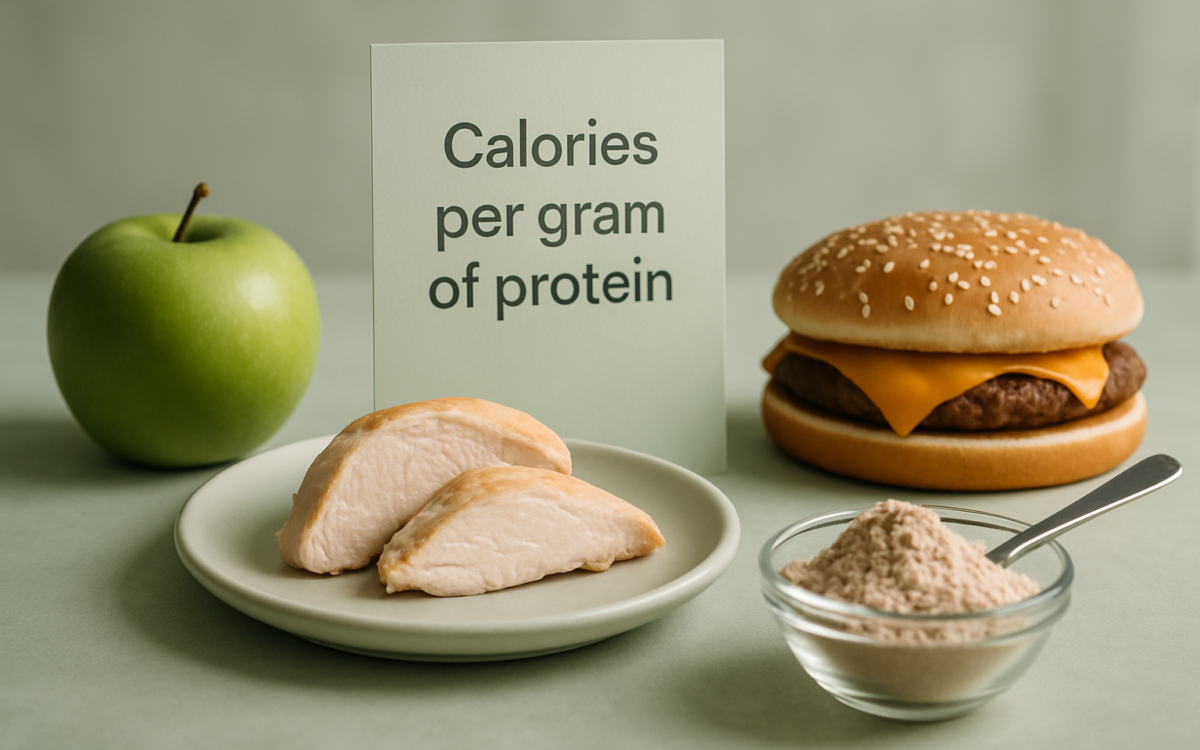
When it comes to nutrition, protein is one of the essential macronutrients that your body needs. It plays a vital role in building and repairing tissues, making enzymes and hormones, and supporting immune function. But how much energy does protein provide? Understanding the calories per gram of protein can help you make informed choices about your diet. In this article, we will explore what protein is, how many calories it contains, and why it matters for your overall health.
What Is Protein?
Protein is made up of smaller units called amino acids. There are 20 different amino acids, nine of which are considered essential, meaning your body cannot produce them, and you must obtain them from food. Protein sources can be classified into two main categories: animal-based and plant-based.
- Animal-based proteins: These include meat, poultry, fish, eggs, and dairy products. They tend to contain all essential amino acids.
- Plant-based proteins: Found in beans, lentils, nuts, seeds, and grains. While many plant proteins may lack one or more essential amino acids, combining different sources can provide a complete protein profile.
Calories in Protein: The Basics
Protein is often applauded for its numerous health benefits, but one vital fact is that it does provide calories, just like carbohydrates and fats. Specifically, protein contains four calories per gram. This means that if you consume 50 grams of protein in a day, you are taking in 200 calories solely from protein.
While it’s essential to consider the calories you consume, it’s also critical to look at the quality of the protein source. For example, a protein-rich food like chicken breast will have additional nutrients, such as vitamins and minerals, that are beneficial for your overall health.
How Much Protein Do You Need?
The amount of protein you need can vary based on several factors, including your age, sex, activity level, and overall health. The Dietary Guidelines for Americans recommend that adults consume 10% to 35% of their total daily calories from protein.
To make it more concrete, here are general recommendations for protein intake:
- Adults: 46 grams per day for women and 56 grams per day for men.
- Athletes or highly active individuals may require more protein to support muscle repair and growth.
It’s essential to listen to your body and consult with a healthcare professional or a registered dietitian when determining your specific dietary needs.
Benefits of Including Protein in Your Diet
Incorporating adequate amounts of protein in your meals can have various health benefits:
- Muscle Repair and Growth: Protein helps repair tissue and build muscle, making it essential for athletes and those engaging in physical activities.
- Managing Weight: High-protein diets may promote satiety, making you feel fuller for longer and potentially aiding in weight management.
- Boosting Metabolism: The thermic effect of food (TEF) is higher for protein than for fats or carbohydrates, meaning your body burns more calories digesting protein.
Incorporating protein into each meal can help you reap these benefits while maintaining a balanced diet.
Choosing Healthy Protein Sources
Not all protein sources are created equal. It’s essential to choose healthier options that provide the most nutritional benefits. Here are some tips for selecting quality protein sources:
- Opt for lean meats: Chicken breast, turkey, and lean cuts of beef are great options.
- Include fish: Fatty fish like salmon are excellent sources of protein and are also rich in omega-3 fatty acids.
- Choose plant-based sources: Beans, lentils, quinoa, and nuts can contribute to protein intake, especially for vegetarians and vegans.
Be mindful of processed meats, which may be high in sodium and preservatives. Always read nutrition labels to make informed choices.
When to See a Doctor
If you are considering making significant changes to your diet or have specific dietary concerns, it’s wise to consult with a healthcare professional. This is especially important if you:
- Have a medical condition that affects your dietary protein needs.
- Are experiencing unintended weight loss or gain.
- Have questions about your protein intake in relation to an exercise program.
Your healthcare provider can offer tailored advice based on your individual health status and lifestyle.
Conclusion
Understanding calories per gram of protein is just the starting point for balancing your diet. By incorporating a variety of quality protein sources into your meals, you’ll not only support muscle health but also boost your overall nutrition. Remember that moderation and balance are key for a healthy lifestyle. For personalized meal plans or more information about your specific protein needs, don’t hesitate to seek guidance from a healthcare professional.
