
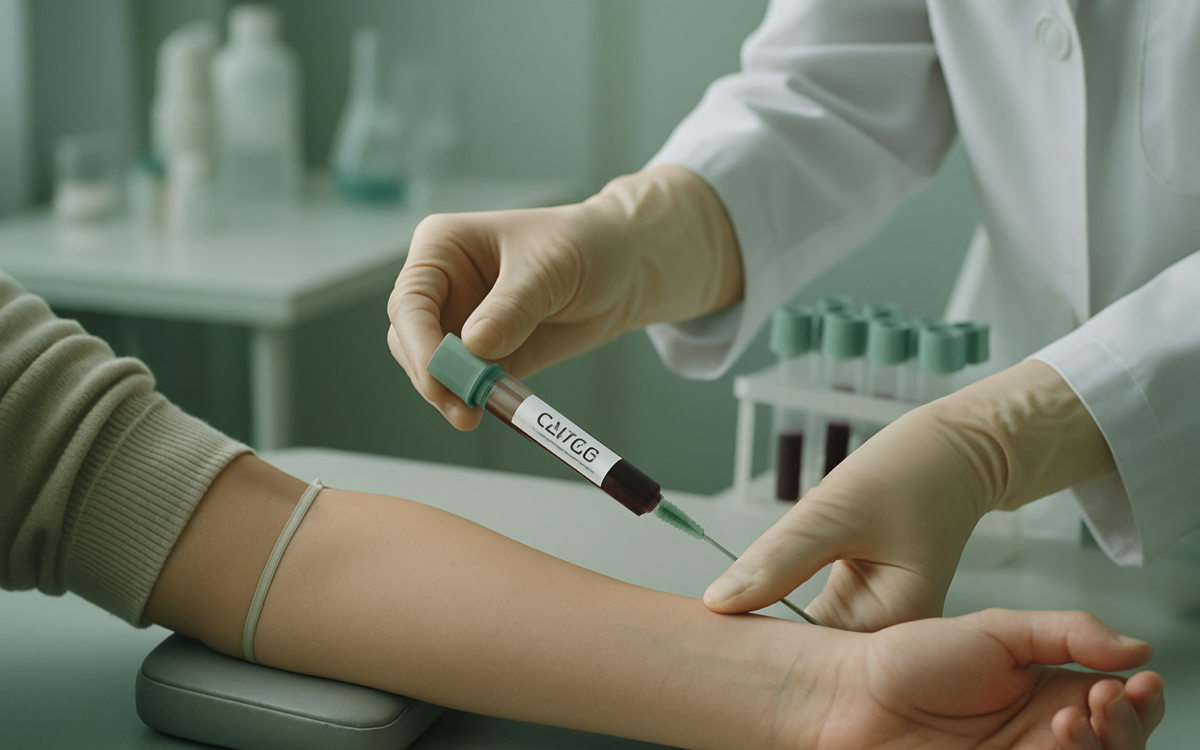
Cancer is a complex disease that can be difficult to detect in its early stages. Thankfully, medical technology has come a long way, and cancer check labs are becoming essential for both early detection and monitoring of existing conditions. Whether you are part of a high-risk group or simply concerned about your health, understanding the role of these labs can empower you to make informed decisions.
What Are Cancer Check Labs?
Cancer check labs, or oncology laboratories, specialize in testing various samples—such as blood, urine, and tissue—to check for signs of cancer. These labs use advanced technology and techniques to analyze samples and provide results that can guide your healthcare provider in diagnosis and treatment.
Common Tests and Their Purposes
Several types of tests are performed at cancer check labs. Here are some of the most common:
- Blood Tests: These tests look for abnormal levels of certain substances in the blood that could indicate cancer, such as tumor markers. For example, a prostate-specific antigen (PSA) test helps screen for prostate cancer.
- Imaging Tests: While strictly not a lab test, imaging is often done in conjunction with lab results. Techniques like CT scans, MRIs, and PET scans help visualize organs and tissues, allowing doctors to spot tumors or abnormalities.
- Biopsy: In a biopsy, a sample of tissue is taken from a suspicious area and analyzed under a microscope. This is the most definitive way to diagnose cancer.
- Genetic Tests: These tests identify mutations in genes that could increase the risk of certain cancers. They can guide preventive measures or treatment options.
The Importance of Early Detection
Early detection of cancer can significantly improve treatment outcomes and survival rates. For many types of cancer, such as breast, colon, and cervical cancer, regular screening tests can lead to detection before symptoms appear. The Centers for Disease Control and Prevention (CDC) emphasizes the role of routine screenings in reducing cancer morbidity and mortality.
How to Prepare for a Cancer Check Lab Visit
Preparing for your visit to a cancer check lab may vary depending on the type of test you’ll undergo. Here are general tips:
- Follow Instructions: Your doctor or the lab will provide specific instructions—such as fasting before a blood test or avoiding certain medications.
- Bring Relevant Information: Consider taking a list of your medical history, including any medications you take, and any family history of cancer.
- Ask Questions: Don’t hesitate to ask your healthcare provider about the necessity of the tests, risks, and preparation required.
Choosing the Right Lab
Selecting the right lab for your cancer check can be an important decision. Factors to consider include:
- Certification: Ensure the lab is accredited and follows regulatory guidelines, which helps guarantee the quality of tests performed.
- Location: Convenience can play a role in adherence to screening schedules. Consider a lab that is easily accessible.
- International Options: If you’re considering treatment abroad, many countries offer high-standard cancer check labs. Look into international patient services provided by various hospitals that specialize in oncology.
When to See a Doctor
It is vital to consult with your doctor about when and how often you should have screenings based on your personal risk factors. Some signs that might warrant immediate medical attention include:
- Unexplained weight loss
- Persistent pain or discomfort
- Changes in skin appearance or moles
- Unusual bleeding or discharge
Staying Informed and Proactive
Awareness and education about cancer check labs can lead to a proactive approach to your health. By participating in regular screenings and understanding the types of tests available, you increase your chances of early detection. Always communicate openly with your healthcare provider and discuss any concerns or symptoms you have.
Ultimately, while cancer check labs are an important part of cancer management, they should be viewed as one aspect of your overall health. Make sure to complement lab results with lifestyle choices and preventive measures.
