
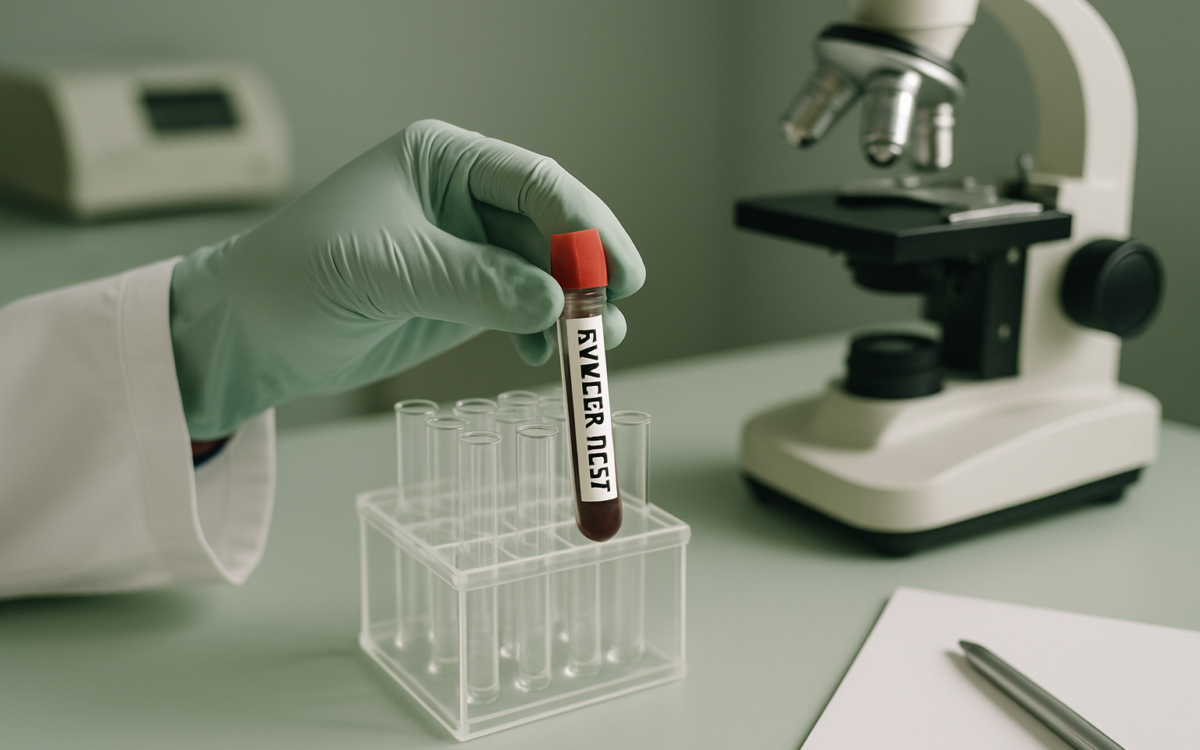
Cancer lab tests are vital tools in the fight against cancer. They help doctors and specialists determine the presence, type, and stage of cancer, guiding treatment options and monitoring progress. Understanding these tests can empower you to become an active participant in your healthcare journey.
What are cancer lab tests?
Cancer lab tests are specialized tests designed to detect the signs of cancer in the body. These tests can include blood tests, imaging studies, and tissue biopsies. Each type of test serves a different purpose, from screening for cancer to confirming a diagnosis or monitoring treatment effectiveness.
Types of cancer lab tests
There are several types of cancer lab tests. Here are some of the most common:
- Blood tests: These tests can measure specific substances in the blood, including tumor markers, which might indicate the presence of cancer. For example, the prostate-specific antigen (PSA) test is used to screen for prostate cancer.
- Biopsy: A biopsy involves taking a small sample of tissue and examining it for cancer cells. This is often considered the definitive way to diagnose cancer.
- Imaging tests: Techniques like X-rays, CT scans, MRIs, and PET scans can help visualize tumors and other changes in the body that may indicate cancer.
- Genetic tests: Some tests analyze DNA to identify genetic mutations that can lead to specific types of cancer. This can be helpful for understanding risk factors and tailoring treatment approaches.
Why are cancer lab tests important?
Cancer lab tests are essential for several reasons:
- Early detection: Detecting cancer early can significantly improve treatment outcomes. Tests like mammograms and colonoscopies can identify cancer before symptoms appear.
- Personalized treatment: Genetic testing can lead to personalized medicine, allowing doctors to customize treatment based on individual characteristics.
- Monitoring treatment: Lab tests help track how well treatment is working. For example, blood tests can reveal whether tumor markers are decreasing, indicating that the treatment is effective.
- Staging cancer: Understanding the extent of cancer is crucial in determining the best course of action. Lab tests can help establish the stage of cancer, which influences treatment decisions.
What to expect during a lab test
The process of undergoing a cancer lab test varies depending on the type of test. Here’s what you can generally expect:
Blood test
A blood test typically involves drawing a small amount of blood from your arm using a needle. The sample is then sent to a laboratory for analysis. Results may take a few hours to several days, depending on what tests are being performed.
Biopsy
For a biopsy, the procedure may vary significantly. Some biopsies can be done at the doctor’s office with a local anesthetic, while others may require surgery. Your doctor will provide instructions on how to prepare and what to expect during and after the procedure.
Imaging tests
During imaging tests, you may need to lie still on a table as machines like X-ray or MRI capture images of your body. The duration varies; for example, an X-ray might take only a few minutes, while an MRI can last up to an hour.
Genetic tests
Genetic testing usually involves a simple blood or saliva sample. The sample is analyzed in a lab for specific mutations related to cancer susceptibility. Results can take several weeks.
Understanding the results
Interpreting cancer lab test results can be complex. It’s essential to discuss findings with your healthcare provider, who can explain what the results mean in the context of your overall health and symptoms.
Positive vs. negative results
A positive test result does not always mean you have cancer, as some tests can yield false positives. Conversely, a negative result does not completely rule out cancer. That’s why follow-up tests are often necessary.
Next steps
Depending on your test results, your doctor may recommend further testing, imaging, or treatment options. They will work with you to develop a personalized plan based on your unique situation.
When to see a doctor
If you are experiencing unexplained symptoms that concern you, such as persistent pain, unexplained weight loss, or changes in your skin, it’s essential to consult your healthcare provider. Early detection of potential health issues, including cancer, can lead to better outcomes.
Conclusion
Cancer lab tests are crucial in diagnosing and managing cancer effectively. Knowing about these tests can help you engage in conversations with your healthcare provider and make informed decisions about your health. Remember, your healthcare team is there to support you, so don’t hesitate to ask questions about any tests you may need.
For further information on cancer lab tests, you can visit reputable sources such as the Mayo Clinic or the National Institutes of Health.
