
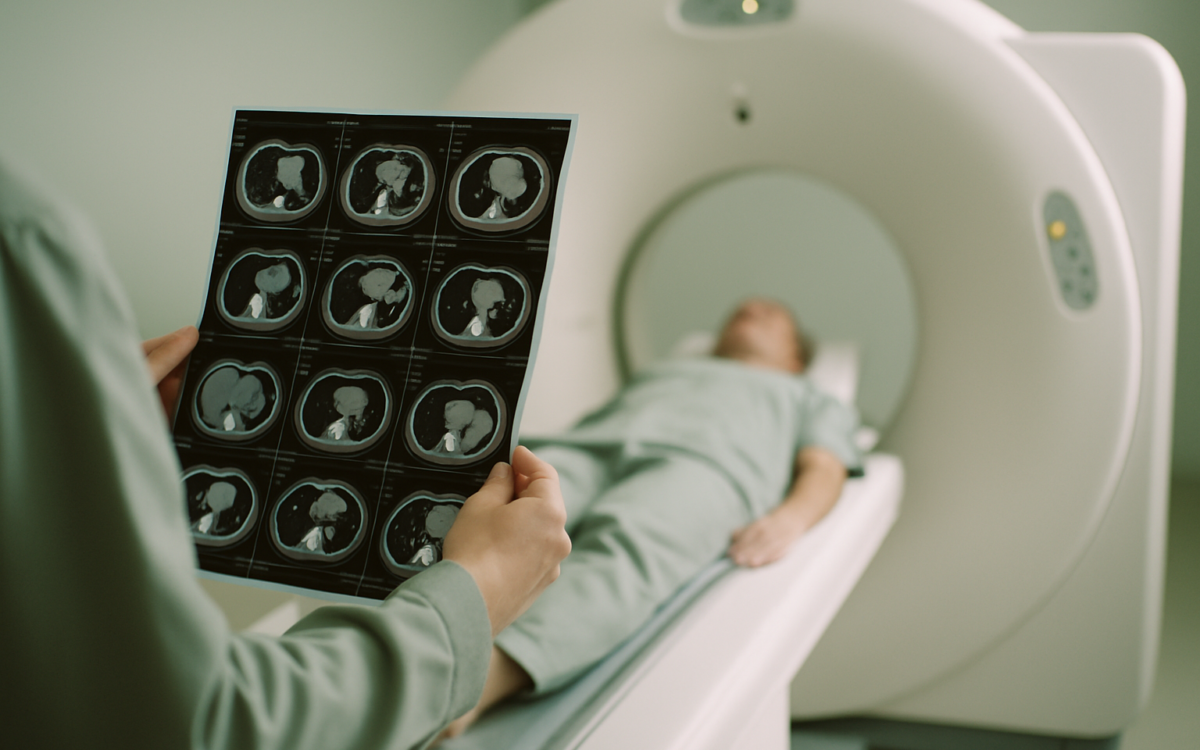
Understanding the intricacies of cancer scans can be a daunting task, especially for those facing potential diagnoses or monitoring existing conditions. Cancer scans are essential tools in modern medicine, helping doctors visualize what’s happening inside our bodies. These imaging technologies play a crucial role in detecting cancer at an early stage, tracking its progress, and determining the effectiveness of treatments.
What Are Cancer Scans?
Cancer scans, or imaging tests, are procedures that create visual representations of the interior of your body. They help health care providers see tumors or other abnormalities. Different types of scans have different purposes, costs, and methods of operation. Some common cancer scans include:
- X-rays: Quick and easy tests that use radiation to create images of bones and some tissues.
- CT Scans: This stands for computed tomography and combines X-ray images taken from different angles to produce cross-sectional images.
- MRI Scans: Magnetic resonance imaging uses magnets and radio waves to create detailed images of organs and tissues.
- Ultrasound: A test that uses high-frequency sound waves to produce images of organs and structures inside the body.
- Pet Scans: Positron emission tomography uses a small amount of radioactive material to show how tissues and organs are functioning.
Why Are Cancer Scans Important?
Cancer scans are vital for several reasons. They assist doctors in:
- Early Detection: Early-stage cancers are often asymptomatic, meaning they don’t show symptoms. Scans can help identify these silent tumors.
- Staging Cancer: Understanding how advanced a cancer is informs treatment options. Scans help determine the size of the tumor and if it has spread.
- Assessing Treatment Effectiveness: After starting treatment, scans can show whether the cancer is responding, helping doctors adjust plans as needed.
- Guiding Biopsies: Some scans can help locate tumors before a biopsy, ensuring that tissue samples are taken from the right areas.
Types of Cancer Scans: When Are They Used?
Each type of cancer scan serves a specific role, depending on various factors such as symptoms, type of cancer suspected, and prior medical history. Here’s a closer look at when different scans might be recommended:
X-rays and CT Scans
These are typically the first imaging tests performed if a doctor suspects cancer. For instance, chest X-rays can help identify lung cancers, while CT scans provide detailed information about various organs, helping detect tumors or abnormal growths.
MRI Scans
MRI scans are particularly useful for brain or spinal cancers. Their high-resolution images help in assessing locations and relationships to other structures, which is crucial for planning surgery.
Ultrasound
Ultrasound tests are often used for cancers in the abdomen or pelvis. They can help visualize the organs and surrounding tissues, making it easier to spot growths or abnormalities.
Pet Scans
Pet scans are more advanced and can help in understanding the metabolic activity of tumors. They’re usually used when doctors want to see how cancer is responding to treatment or to check for recurrence after treatment.
Preparing for a Cancer Scan
Preparation for a cancer scan can vary depending on the type of scan you are undergoing. Here are some general tips to keep in mind:
- Follow Instructions: Make sure to follow any instructions given by your healthcare provider, particularly about eating or drinking before the scan.
- Inform About Medical History: Let your doctor know about any recent surgeries, allergies, or health conditions. This information can impact how the scan is conducted.
- Bring a List of Medications: Always keep a list of medications you are currently taking, including vitamins and supplements.
Concerns About Radiation Exposure
Many cancer scans, especially X-rays and CT scans, use radiation. While there is a small risk associated with radiation exposure, the benefits of detecting cancer early often outweigh these risks. Healthcare providers take precautions to minimize radiation doses. For example, a single CT scan represents a relatively small increase in cancer risk compared to the potential benefits. Always discuss any concerns about radiation with your doctor, particularly if you will be undergoing multiple scans.
When to See a Doctor
If you notice unusual changes in your body, such as unexplained weight loss, persistent pain, or a lingering cough, consider seeing a doctor. Early evaluation can lead to earlier diagnosis and treatment, which can significantly impact health outcomes.
Conclusion
Navigating cancer scans can be complex, but understanding their purpose and processes can make it easier to approach a potential diagnosis or treatment. Always maintain an open line of communication with your healthcare provider and feel free to ask questions. By staying informed, you play an active role in your health and well-being. For more detailed information about cancer scans, visit reputable resources like the National Cancer Institute or the Centers for Disease Control and Prevention.
