
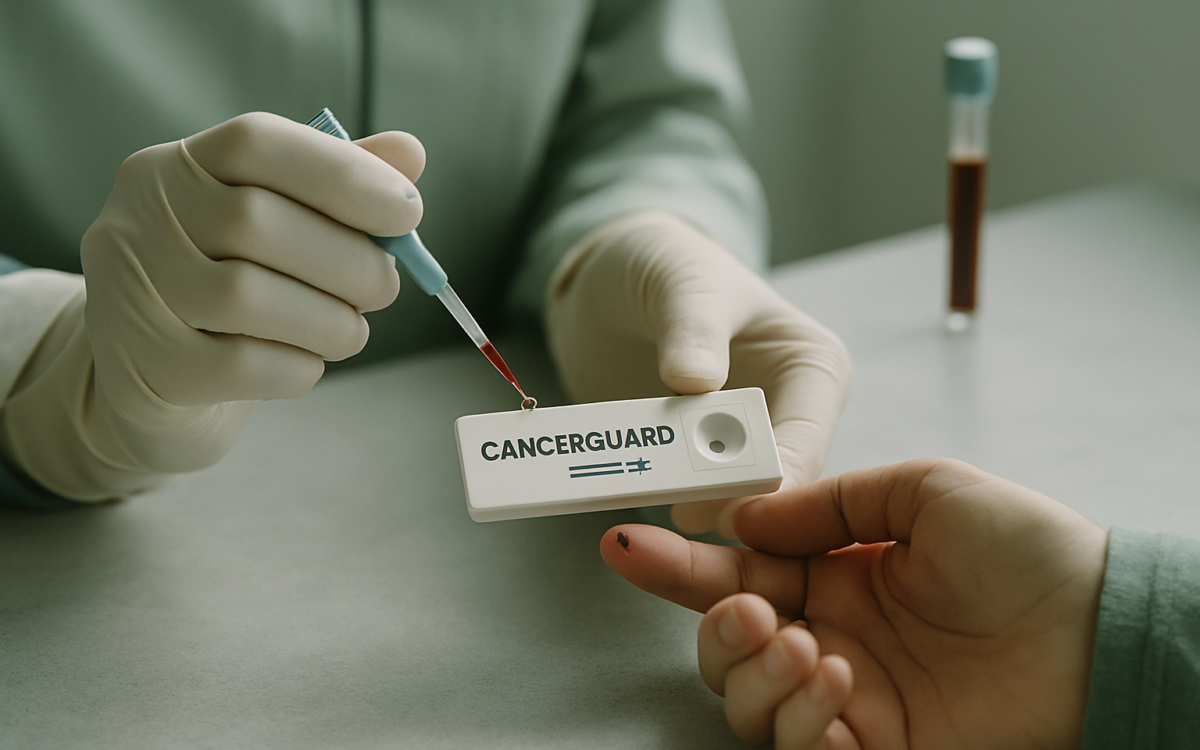
As advancements in health technology continue to evolve, tools designed for early diagnosis and prevention are becoming crucial. One such innovation is Cancerguard, an emerging tool aimed at detecting certain types of cancer early. But just how accurate is Cancerguard? Understanding its reliability is important for anyone considering its use as part of their health regime.
What is Cancerguard?
Cancerguard is a health screening tool that utilizes advanced techniques to identify biomarkers associated with various cancers. While it is not a diagnostic tool, it serves as a preliminary screening option that can help identify individuals who may need further testing. Cancerguard typically analyzes blood samples or other bodily fluids to detect potential cancer indicators.
How does Cancerguard work?
The core of Cancerguard’s approach lies in its analysis of biomarkers. These are biological molecules found in blood, tissues, or other samples that can signify cancer presence. Cancerguard works by identifying specific patterns or levels of these biomarkers that are statistically associated with certain types of cancer. However, it’s crucial to understand that a positive result does not definitively indicate cancer; it only suggests the possibility that warrants further investigation.
What do studies say about Cancerguard accuracy?
Several studies have evaluated the accuracy of Cancerguard. Research often focuses on metrics such as sensitivity (the ability to correctly identify those with cancer) and specificity (the ability to correctly identify those without cancer). According to a study published in the National Institutes of Health, Cancerguard exhibited a promising sensitivity rate of around 85% for some cancers. However, its specificity was noted to be lower, meaning that some individuals without cancer might still receive a positive result.
This highlights the importance of confirmatory testing following an initial Cancerguard screening. While accurate in some scenarios, false positives and negatives can occur, making follow-up evaluations essential.
Benefits of Cancerguard Testing
There are several potential benefits to using Cancerguard, including:
- Early detection: One of the primary goals of Cancerguard is to catch potential cancers early when treatment is often more effective.
- Non-invasiveness: Many Cancerguard tests use blood or fluid samples, making them less invasive compared to traditional biopsies.
- Personalized follow-up: A Cancerguard result can guide discussions between a patient and their healthcare provider about additional testing or preventative measures.
Limitations and considerations
While Cancerguard offers exciting possibilities, it is essential to acknowledge its limitations:
- False positives: A positive result can lead to anxiety and unnecessary testing, which can carry their own risks.
- Not a replacement for traditional screenings: Cancerguard should not replace conventional cancer screenings like mammograms, colonoscopies, or other recommended tests.
- Varied accuracy: The accuracy can vary depending on factors such as age, overall health, and genetic predisposition.
Best practices for utilizing Cancerguard
If you’re considering Cancerguard as part of your health monitoring strategy, keep the following best practices in mind:
- Consult your provider: Before undergoing any kind of screening, discuss your health history and risks with a healthcare professional to determine if Cancerguard is appropriate for you.
- Understand the results: Be prepared for the possible outcomes, both positive and negative, and talk about what next steps might be necessary if you receive a positive result.
- Incorporate into a holistic approach: Use Cancerguard as one component of a broader health strategy that includes regular check-ups, screenings, and a healthy lifestyle.
When to see a doctor
If you have any concerns about cancer or experience symptoms such as unexplained weight loss, fatigue, or changes in bodily functions, it’s essential to consult a doctor promptly. They can provide guidance on appropriate screening methods based on your individual health needs.
Conclusion
Cancerguard represents a promising leap forward in cancer detection, offering the potential for early diagnosis in a less invasive format. However, its accuracy and limitations must be understood. Always approach cancer screening with a comprehensive mindset, relying on thorough discussions with healthcare professionals to guide your health choices. For more information on cancer screening and prevention, consider visiting reputable sources like the CDC or the World Health Organization.
