
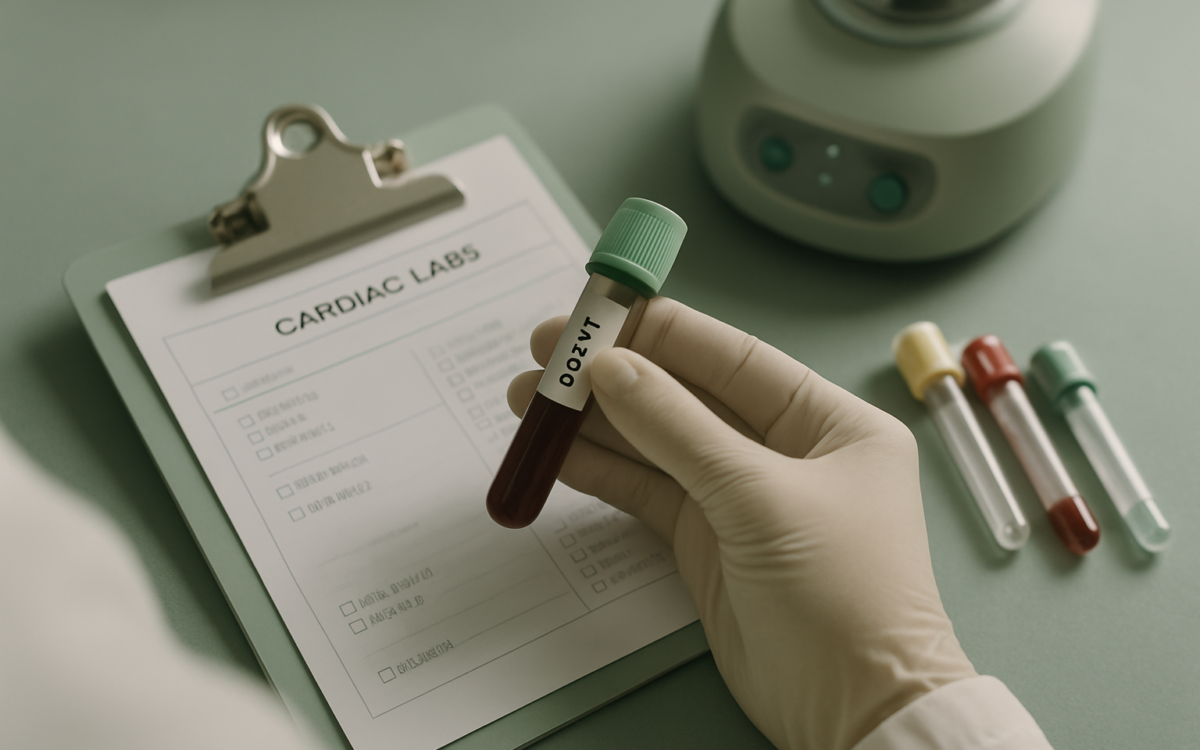
Your heart is a vital organ that deserves special attention. Just like any machine, it needs regular checks to ensure it is functioning properly. This is where cardiac labs, or cardiac laboratories, come into play. By performing a variety of tests, these specialized labs help doctors monitor heart health, diagnose issues, and develop treatment plans. In this article, we will explore what cardiac labs are, the types of tests they conduct, and why they are important for your overall health.
What Are Cardiac Labs?
Cardiac labs are medical facilities where healthcare professionals perform tests related to heart health. These tests can help in diagnosing various cardiovascular conditions, including coronary artery disease, arrhythmias, and heart failure. The information gathered from these tests is crucial for doctors as it aids in understanding how well your heart is functioning and if any interventions are needed.
Types of Tests Conducted in Cardiac Labs
Cardiac labs offer a range of tests, each designed to assess different aspects of cardiac health. Here are some common tests you might encounter:
- Echocardiogram: This ultrasound test uses sound waves to create images of your heart, allowing doctors to observe its structure and function.
- Electrocardiogram (ECG or EKG): This test records the electrical activity of your heart to check for irregular rhythms, also called arrhythmias.
- Stress Test: During a stress test, patients exercise while their heart is monitored. It helps assess how well the heart works under physical stress.
- Blood Tests: Blood tests can check levels of certain substances, such as cholesterol and triglycerides, which can indicate heart disease risk.
- Cardiac Catheterization: In this procedure, a thin tube is inserted into a blood vessel to gather information about how your heart is functioning and if there are blockages.
The Importance of Each Test
Understanding what these tests look for can help you appreciate their importance in maintaining heart health:
- Echocardiograms can help identify issues like valve disorders and heart muscle problems.
- ECGs detect potentially serious irregularities, allowing for timely treatment.
- Stress Tests can reveal blood flow issues during exertion, helping doctors assess risk before recommending extreme exercise or surgery.
- Blood Tests are a quick way to assess risk factors for heart disease, leading to lifestyle changes or medication recommendations.
- Cardiac Catheterization provides detailed information about heart health and is often a precursor to treatments like angioplasty.
Why Cardiac Labs Matter
Cardiac labs play a significant role in preventative care. Regular screenings can detect issues early, often before symptoms appear. This proactive approach can lead to more effective treatments, reducing the risk of life-threatening complications such as heart attacks or strokes. According to the CDC, heart disease remains the leading cause of death in the United States, making awareness and testing crucial.
How to Prepare for a Test
Preparation for cardiac lab tests can vary, but some general guidelines include:
- Inform your doctor of any medications you are taking, including over-the-counter drugs and supplements.
- Follow any fasting instructions if applicable, especially for blood tests.
- Wear comfortable clothing, especially if a stress test is involved.
- Ask your doctor about any specific preparations needed for your scheduled tests.
Who Can Benefit from Cardiac Lab Tests?
Anyone can benefit from evaluations conducted in cardiac labs, but certain groups may require more frequent screenings:
- Individuals with a family history of heart disease
- People experiencing symptoms like chest pain or shortness of breath
- Those with existing conditions like diabetes or high blood pressure
- Individuals over the age of 40, particularly if they have risk factors for heart disease
When to See a Doctor
If you experience symptoms such as persistent chest pain, unexplained shortness of breath, or irregular heartbeats, it’s advisable to seek medical attention promptly. Your doctor may refer you to a cardiac lab for further assessment. Regular check-ups are also important for those with risk factors for heart disease.
Conclusion
Understanding the significance of cardiac labs can empower you to take charge of your heart health. Through various tests, these facilities provide valuable insights that can help in early diagnosis and effective treatment. If you have concerns regarding your heart or risk factors for heart disease, talk to your healthcare provider to explore the tests that may be right for you.
