
Your heart is one of the most vital organs in your body, pumping blood and oxygen to every corner of your system. Because of its importance, monitoring heart health through cardiac testing is crucial. But what does cardiac testing involve, and why might you need it? This article aims to demystify the various types of cardiac testing available, their purposes, and situations where these tests could be essential for your health.
What is Cardiac Testing?
Cardiac testing encompasses a variety of evaluations used to assess your heart’s health and diagnose potential heart conditions. These tests can help your healthcare provider understand how well your heart is functioning and identify any abnormalities or risks. They are typically non-invasive and aim to provide valuable insights into your cardiovascular status.
Why is Cardiac Testing Important?
Understanding your heart health is crucial for several reasons:
- Early Detection: Many heart diseases may not present with obvious symptoms until they become severe. Cardiac testing can help identify these conditions early, allowing for timely intervention.
- Risk Assessment: Tests can help evaluate risk factors for heart disease, such as hypertension, high cholesterol, and diabetes, enabling preventive measures.
- Guiding Treatment: If you’re already diagnosed with a heart condition, these tests can help determine the effectiveness of your treatment plan and guide any necessary adjustments.
Common Types of Cardiac Testing
There are several types of cardiac tests, each designed for specific purposes:
Echocardiogram
An echocardiogram uses sound waves to create images of your heart’s structure and function. This ultrasound technology can reveal the size and shape of your heart, how well it’s pumping blood, and the condition of the heart valves. It’s a non-invasive procedure and often used for evaluating heart murmurs and other cardiovascular issues.
Stress Testing
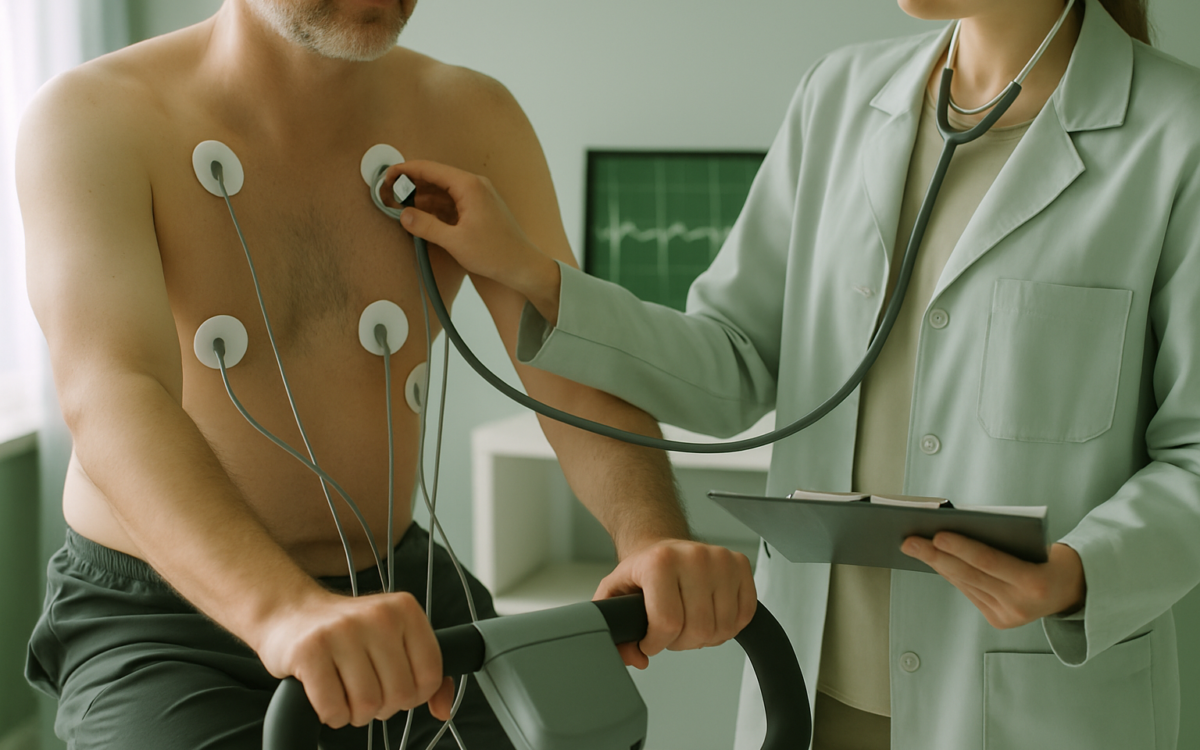
A stress test, often performed on a treadmill or exercise bike, evaluates how your heart performs under physical effort. The test involves monitoring your heart rate, blood pressure, and EKG while you exercise. If you’re unable to exercise, a medication may be used to simulate the effects of physical activity. This test helps identify conditions like coronary artery disease.
Holter Monitor
A Holter monitor is a portable device worn for 24 to 48 hours to continuously track your heart’s rhythms. It provides insights into irregular heartbeats, known as arrhythmias, that may not show up during a regular doctor’s visit. This test can help uncover conditions like atrial fibrillation or other issues that could affect your heart’s functionality.
Cardiac Catheterization
This is a more invasive procedure that involves threading a thin tube (catheter) through the blood vessels to the arteries of the heart. It allows doctors to assess blood flow, and pressures in the heart, and identify any blockages. Cardiac catheterization is often used when other non-invasive tests indicate potential heart problems.
Blood Tests
Blood tests can also be essential in cardiac testing. They help measure levels of substances in your blood that might indicate heart disease, such as cholesterol levels, and biomarkers like troponin, which increases in the blood when the heart muscle is damaged.
Who Should Consider Cardiac Testing?
While everyone can benefit from understanding their heart health, certain groups may need cardiac testing more urgently:
- Those with a family history of heart disease
- Individuals with risk factors like hypertension, diabetes, or high cholesterol
- People experiencing symptoms such as chest pain, shortness of breath, or irregular heartbeats
- Older adults, especially those over 65
Current Guidelines and Research
According to the CDC, managing heart disease requires understanding your risks and regularly monitoring your heart health. New research continues to emerge, aiming at improving early detection and treatment. It’s vital to consult with your healthcare provider to determine which tests, if any, are appropriate for you based on your personal health profile.
When to See a Doctor
If you’re noticing concerning symptoms such as persistent chest pain, extreme fatigue, fainting, or a significant change in your exercise capacity, it’s essential to consult a healthcare professional right away. Additionally, if you have risk factors for heart disease, regular check-ups can help catch any issues early. Don’t hesitate to discuss any health changes with your doctor, as they can guide you on the need for cardiac testing.
Conclusion
Cardiac testing plays a crucial role in maintaining heart health and preventing serious complications. Understanding the different types of tests available and their importance can empower you to take control of your heart health. Always consult your healthcare provider if you have concerns or questions about your heart and the need for testing. Remember, early detection and prevention are key in keeping your heart healthy.
