
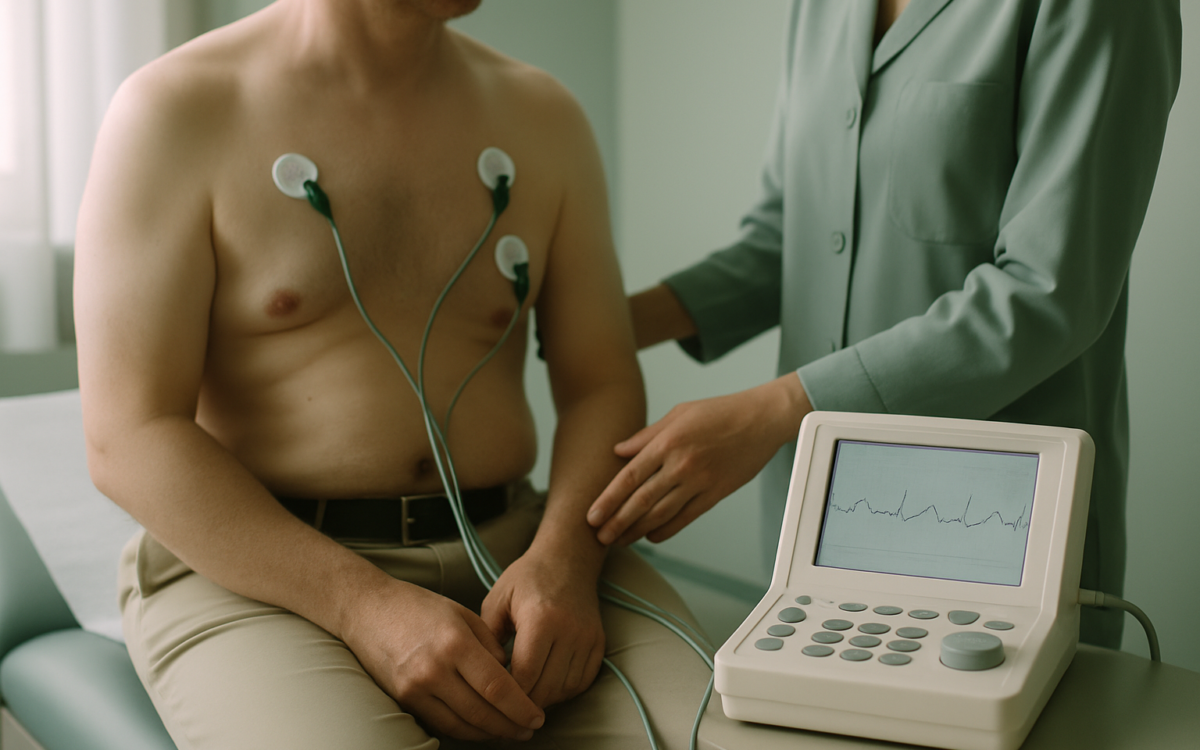
When it comes to taking care of your heart, knowledge is power. Cardio screenings are a crucial step in understanding your cardiovascular health and identifying potential risks before they develop into serious issues. But what exactly does a cardio screening involve, and why is it essential? In this article, we will walk you through the details of cardio screens, their benefits, and what to expect when you get one.
What is a Cardio Screen?
A cardio screen, often referred to as a cardiovascular screening, is a series of tests and evaluations aimed at assessing your heart health. These screenings help determine your risk of developing cardiovascular diseases, such as heart attacks and strokes. Depending on individual risk factors, a cardio screen may include:
- Blood pressure measurement
- Cholesterol level check
- Blood glucose test
- Body mass index (BMI) evaluation
- Electrocardiogram (ECG or EKG)
- Stress tests
By understanding your current heart health status, you and your doctor can work together to make informed decisions about lifestyle changes or treatments.
Why Are Cardio Screenings Important?
Cardio screenings play a vital role in preventive health care. Here are a few key reasons why:
- Early Detection: Identifying potential heart issues early can lead to more effective management and better outcomes.
- Risk Assessment: Screenings can identify risk factors such as high cholesterol or high blood pressure, allowing for proactive measures.
- Personalized Health Plans: Results from cardio screenings can help your doctor create a tailored plan to improve your overall heart health.
- Awareness: Understanding your heart health encourages you to adopt healthier lifestyle choices.
According to the CDC, cardiovascular disease remains a leading cause of death worldwide, making it crucial to be proactive about heart health.
Who Should Get a Cardio Screen?
While everyone can benefit from knowing their heart health, some individuals are at a higher risk and should consider regular cardio screenings. You may be at greater risk if you:
- Have a family history of heart disease
- Are overweight or obese
- Have high blood pressure or high cholesterol
- Smoke or regularly use tobacco products
- Have diabetes or prediabetes
- Lead a sedentary lifestyle
The Mayo Clinic recommends discussing your personal risk factors with your healthcare provider to determine the appropriate frequency and type of screenings for you.
What to Expect During a Cardio Screening
Getting a cardio screen typically involves a visit to your healthcare provider, and the process can vary based on the tests recommended. Here’s a general sequence of what to expect:
- Pre-Screening Preparation: Your doctor may advise you to fast for a certain period before the test, especially for cholesterol and glucose level checks.
- Check Vital Signs: Expect initial measurements, including blood pressure, heart rate, and weight.
- Blood Tests: A blood sample will be drawn for cholesterol and blood sugar level evaluations.
- Additional Tests: Depending on your risk factors, you might undergo an ECG or a stress test to monitor how your heart functions under physical stress.
Results are usually provided shortly after the screening, and your doctor will explain what they mean and recommend next steps.
Making Sense of Your Results
Your cardio screening results can have different implications depending on various factors, including age, sex, and medical history. Here’s how to interpret some common results:
- Cholesterol Levels: Total cholesterol under 200 mg/dL is considered desirable. Higher levels may require lifestyle changes or medication.
- Blood Pressure: Normal blood pressure is below 120/80 mm Hg. Elevated levels suggest a need for lifestyle adjustments.
- Blood Glucose: A fasting blood glucose level less than 100 mg/dL is normal. Higher levels may indicate prediabetes or diabetes.
Discussing these results with your healthcare provider will give you the best perspective on how they impact your health and what steps to take next.
When to See a Doctor
It’s essential to consult your healthcare provider if you experience any concerning symptoms such as:
- Chest pain or discomfort
- Shortness of breath
- Unexplained fatigue
- Dizziness or fainting spells
Regular check-ups and screenings can help catch heart issues early, ensuring you stay on top of your cardiovascular health.
Conclusion
Cardio screenings are an important aspect of maintaining heart health and preventing cardiovascular diseases. By understanding the screening process, its benefits, and the importance of regular check-ups, you empower yourself to take charge of your heart health. Consult with your healthcare provider to determine the right screening plan for you. Remember, the sooner you know, the better you can act!
