
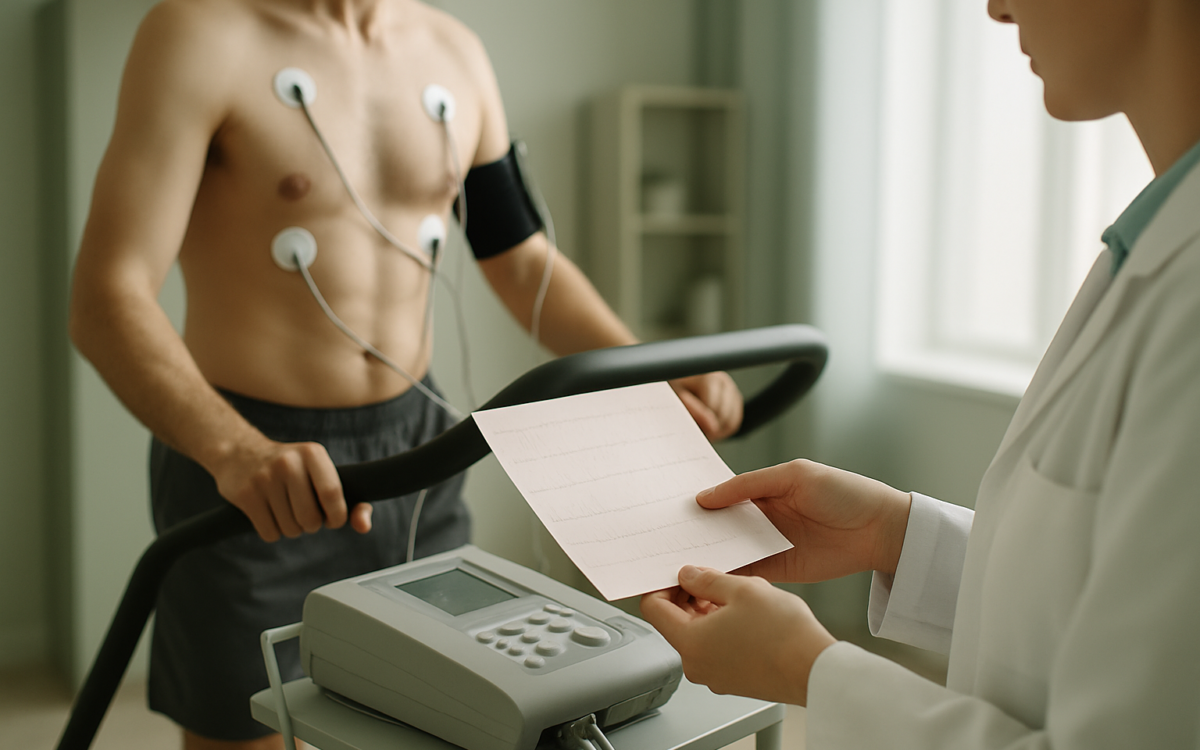
When it comes to maintaining your heart health, knowledge is power. Cardio tests are essential tools used by healthcare professionals to evaluate the condition of your heart and circulatory system. Whether you are experiencing symptoms like chest pain or are at risk for heart disease, these tests can provide valuable insights. In this article, we’ll break down the different types of cardio tests, their purposes, and why they are important for your overall health.
What Are Cardio Tests?
Cardio tests, also known as cardiovascular tests, help doctors understand how well your heart is functioning. They measure various aspects of heart health, including heart rhythms, structural abnormalities, and blood flow. Some tests are simple and non-invasive, while others may require more involved procedures. Knowing which tests are available and what they assess can empower you to take charge of your heart health.
Common Types of Cardio Tests
There are several different types of cardio tests, each serving a specific purpose. Here are some of the most commonly used tests:
- Electrocardiogram (ECG or EKG): This quick and painless test measures the electrical activity of your heart. Electrodes are placed on your skin to record heartbeats, helping doctors identify irregularities.
- Echocardiogram: This ultrasound test produces images of your heart in motion. It can reveal structural problems, evaluate heart function, and monitor conditions over time.
- Stress Test: Often conducted while walking on a treadmill, a stress test evaluates your heart’s performance under physical stress. It helps determine how well the heart works during exercise, which can signify potential issues.
- Holter Monitor: This small device records your heart’s rhythm over 24 to 48 hours. It’s useful for detecting irregular heartbeats that might not be noticed during a standard ECG.
- Coronary Angiography: This invasive procedure involves inserting a catheter to visualize the blood vessels in your heart. It’s typically used when blockages are suspected.
Why Are Cardio Tests Important?
Cardio tests play a crucial role in diagnosing heart conditions. Early detection of issues can lead to more effective treatment and better health outcomes. Here are a few reasons why these tests are important:
- Identifying Risk Factors: Many people have risk factors for heart disease, such as high blood pressure or high cholesterol. Cardiovascular tests help identify these risks early on.
- Detecting Heart Disease: Tests can uncover conditions like coronary artery disease, arrhythmias, or heart valve disorders, allowing for timely intervention.
- Monitoring Existing Conditions: For individuals with known heart conditions, regular testing can help monitor progress and effectiveness of treatment.
- Guiding Treatment Plans: Test results assist healthcare providers in developing tailored treatment plans to manage or prevent heart disease.
Who Should Get Cardio Tests?
While everyone can benefit from understanding their heart health, certain groups may require cardio tests more frequently:
- Individuals with Symptoms: If you experience symptoms like chest tightness, shortness of breath, or palpitations, it’s essential to consult your doctor.
- People with Risk Factors: Those with a family history of heart disease, high blood pressure, diabetes, or high cholesterol should discuss testing options with their healthcare provider.
- Age Considerations: Individuals over 40, especially those who smoke or are overweight, may need regular testing to monitor heart health.
Preparing for Cardio Tests
Preparation varies depending on the type of test you are undergoing. Here are general tips to consider:
- Follow Instructions: Your doctor will provide specific instructions, such as fasting before tests or stopping certain medications.
- Dress Comfortably: Wear comfortable clothing, especially for exercise-related tests.
- Be Prepared for Questions: Expect your doctor to ask about your symptoms, medical history, and lifestyle factors.
What Happens After the Tests?
After your cardio tests are completed, your doctor will discuss the results with you. Depending on the findings, they may recommend lifestyle changes, medications, or further tests. Understanding your results is vital for managing your heart health and making informed decisions moving forward.
When to See a Doctor
If you experience symptoms such as chest pain, severe shortness of breath, significant fatigue, or heart palpitations, you should seek medical attention promptly. Additionally, check with your healthcare provider if you have risk factors for heart disease or if it’s been a while since your last cardio test.
In summary, cardio tests are invaluable tools in assessing and monitoring your heart health. Whether you’re being tested for symptoms or assessing your risk factors, these tests offer insights that can lead to better heart care. Make sure to discuss with your healthcare provider about which tests might be appropriate for you, and take proactive steps towards maintaining your heart’s health.
