
Keeping your heart healthy is crucial for overall well-being. One way to do this is by understanding cardiovascular diagnostics. These tests help healthcare providers assess the health of your heart, detect potential issues, and guide treatment decisions. In this article, we’ll explore the most common cardiovascular diagnostics, their purposes, and when you might need them.
What are cardiovascular diagnostics?
Cardiovascular diagnostics refer to a range of tests and procedures used to evaluate heart health. These tools help to diagnose conditions like heart disease, heart rhythm disorders, and blood vessel issues. They can also monitor existing heart conditions to ensure that treatments are working effectively.
Common cardiovascular diagnostic tests
There are several key cardiovascular tests that doctors commonly use. Here are some of the most important:
Echocardiogram
An echocardiogram is a type of ultrasound that uses sound waves to create images of the heart. This test helps doctors evaluate the size, shape, and function of the heart and its valves. It can identify issues like heart valve problems, heart muscle abnormalities, and fluid around the heart. According to the Mayo Clinic, echocardiograms are painless and can provide crucial information about heart health.
Electrocardiogram (EKG)
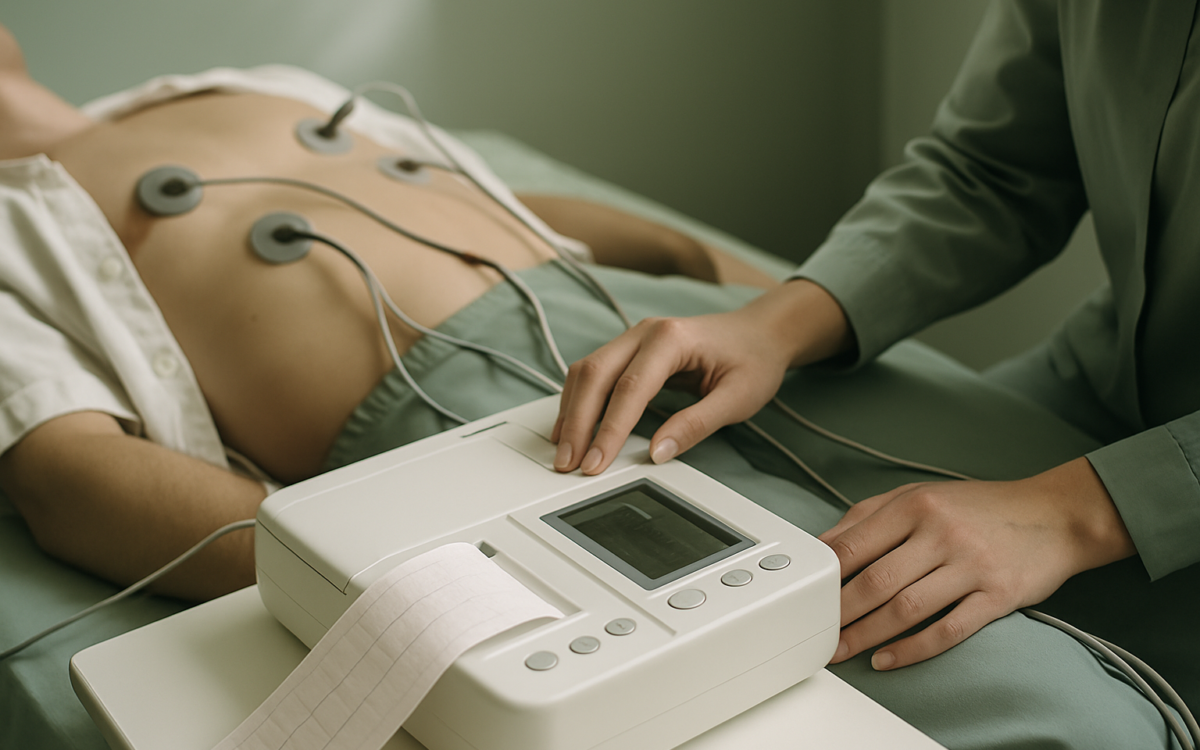
An electrocardiogram, or EKG, measures the electrical activity of the heart. It helps doctors detect irregular heartbeats (arrhythmias), identify heart attacks, and assess the heart’s overall electrical function. The test involves placing small electrodes on your chest, arms, and legs, which capture the heart’s electrical signals. The CDC notes that EKGs are typically quick and noninvasive.
Stress test
During a stress test, you will be monitored while you exercise, usually on a treadmill or a stationary bike. This test helps determine how well your heart functions when it is under physical stress. In some cases, a doctor may use a medication to simulate the effects of exercise if you are unable to perform physical activities. Stress tests can help identify blockages in the heart arteries and assess your overall cardiovascular fitness.
What is coronary angiography?
Coronary angiography is a procedure that uses a special dye and X-ray to show the inside of your coronary arteries. It helps doctors identify blockages or narrowing that can lead to heart attacks. During the procedure, a thin tube called a catheter is inserted into a blood vessel in your arm or leg and guided to your heart. This test is more invasive than others but is often performed when doctors suspect significant heart problems.
When is cardiovascular diagnostics necessary?
Doctors typically recommend cardiovascular diagnostics in several situations:
- If you have symptoms like chest pain, shortness of breath, or heart palpitations.
- During regular check-ups, especially if you have risk factors such as high blood pressure, high cholesterol, obesity, or a family history of heart disease.
- To monitor existing cardiovascular conditions, ensuring effective management and treatment.
The role of lifestyle in heart health
While cardiovascular diagnostics are critical, maintaining a healthy lifestyle plays a significant role in heart health. Factors such as diet, exercise, smoking, and stress management can influence your overall cardiovascular health. The World Health Organization emphasizes the importance of a balanced diet, regular physical activity, and avoiding tobacco products to lower the risk of heart-related issues.
When to see a doctor
If you notice any unusual symptoms such as persistent chest pain, dizziness, extreme fatigue, or rapid heartbeats, consult your doctor promptly. Early detection of heart-related issues can lead to better health outcomes.
Staying informed about cardiovascular diagnostics and maintaining a heart-healthy lifestyle are essential steps in protecting your heart. Talk to your doctor about any concerns you might have, and don’t hesitate to ask questions about which diagnostic tests may be right for you.
