
Our heart is a vital organ, responsible for pumping blood throughout our body. It works tirelessly, often without us giving it a second thought. But how do we know if our heart is healthy? Cardiovascular monitoring is the answer. It helps us keep track of heart health, allowing us to make informed decisions and catch any potential issues early on. In this article, we will explore what cardiovascular monitoring is, the methods involved, and why it is important for our overall health.
What is Cardiovascular Monitoring?
Cardiovascular monitoring refers to a set of techniques used to observe the heart and its functions. These methods help healthcare providers assess how well the heart is working, diagnose any problems, and guide treatment options. Monitoring can take place in various settings, from hospitals to patients’ homes, and can be performed using a range of tools.
Why is Cardiovascular Monitoring Important?
Monitoring our heart’s health helps detect potential issues before they become serious. Early detection can lead to better management of conditions such as heart disease, high blood pressure, or arrhythmias—irregular heartbeats. Regular monitoring can also help evaluate the effectiveness of treatments or lifestyle changes, making it an essential part of proactive health management.
Methods of Cardiovascular Monitoring
1. Electrocardiogram (ECG)
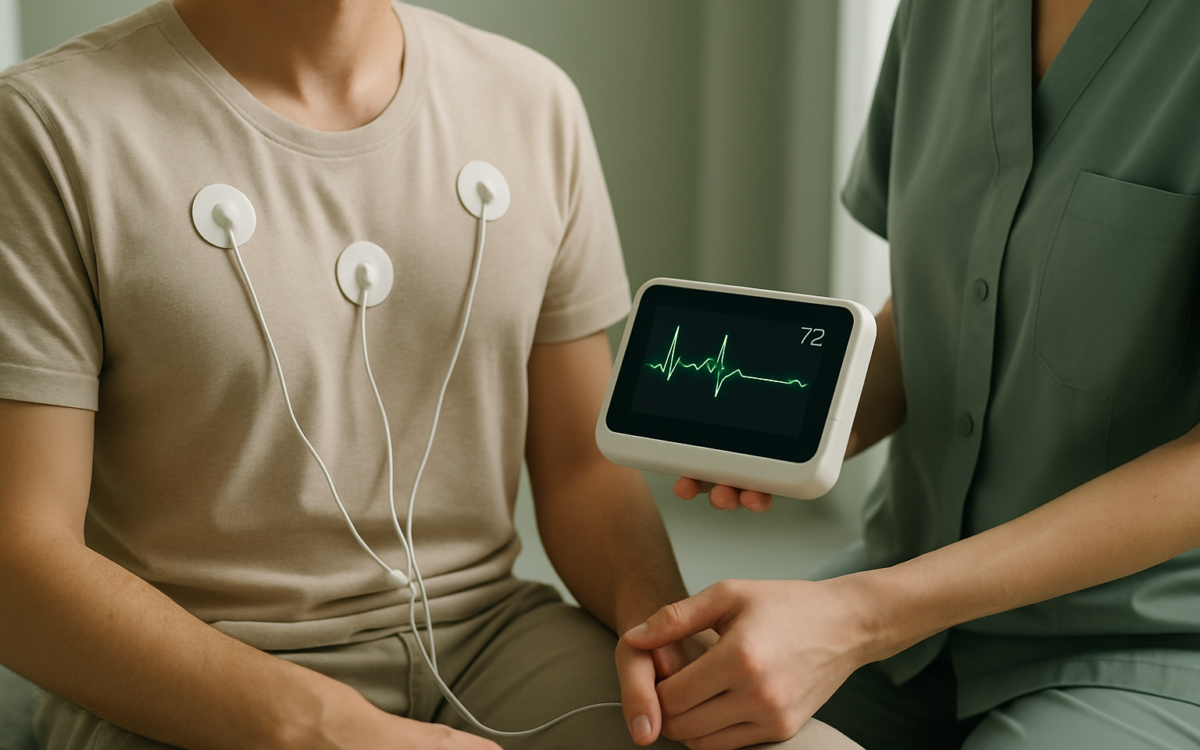
An electrocardiogram, or ECG, is one of the most common methods used for cardiovascular monitoring. It tracks the electrical activity of the heart, providing important information about heart rhythm and structure. An ECG can help identify conditions such as arrhythmias (irregular heartbeats), prior heart attacks, or other heart-related issues. This test is quick, painless, and can be performed in a doctor’s office or hospital.
2. Blood Pressure Monitoring
Blood pressure measurement is another crucial aspect of cardiovascular monitoring. High blood pressure, or hypertension, can lead to severe health problems, including heart attacks and strokes. Regularly monitoring blood pressure at home or during doctor visits can help detect changes that require further investigation or treatment. Home blood pressure monitors are widely available and easy to use, making it simple to keep track of this important health metric.
3. Holter Monitor
For a more extended look at heart function, healthcare providers may recommend a Holter monitor. This portable device records the heart’s electrical activity over 24 to 48 hours. It is beneficial for diagnosing intermittent arrhythmias that may not appear during a regular ECG. Patients wear the monitor as they go about their daily activities, allowing doctors to gather essential data about heart function during normal life.
4. Wearable Devices
In recent years, wearable devices have gained popularity for cardiovascular monitoring. Smartwatches and fitness trackers often come equipped with heart rate sensors, enabling users to continuously monitor their heart rate and activity levels. While these devices should not replace professional medical monitoring, they can provide valuable insight into one’s heart health and encourage individuals to maintain a healthy lifestyle.
Who Should Consider Cardiovascular Monitoring?
While everyone can benefit from understanding their heart health, certain groups may find cardiovascular monitoring particularly important. These include:
- Individuals with a family history of heart disease.
- People with existing health conditions, such as diabetes or hypertension.
- Those experiencing symptoms like chest pain, shortness of breath, or fatigue.
- Athletes who need to monitor their heart during training.
Monitoring can be as simple as scheduling regular check-ups with your healthcare provider or as involved as using advanced equipment, depending on your individual needs.
Limitations of Cardiovascular Monitoring
While cardiovascular monitoring is essential, it does have limitations. Not all monitoring methods provide a complete picture of heart health. For instance, an ECG performed for a short period may not catch intermittent issues. Likewise, while wearable devices can offer valuable data, they may not always be accurate. Therefore, it is crucial to consult with a healthcare professional to determine the appropriate methods for you and to interpret the results accurately.
When to See a Doctor
If you notice any concerning symptoms, such as chest pain, palpitations, extreme fatigue, or shortness of breath, it is essential to consult a doctor. Additionally, if you have risk factors for heart disease—such as high blood pressure, diabetes, or a family history of heart conditions—regular check-ups and cardiovascular monitoring should be part of your health strategy.
Conclusion
Cardiovascular monitoring is a vital aspect of maintaining heart health. Various methods, from ECGs to wearable devices, offer valuable insights into how well our hearts are working. By understanding and taking charge of our cardiovascular health, we can detect potential issues early on and work towards a healthier future. Remember, consulting with a healthcare provider is the best way to approach heart monitoring and ensure you are on the right path to a healthy, happy heart.
