
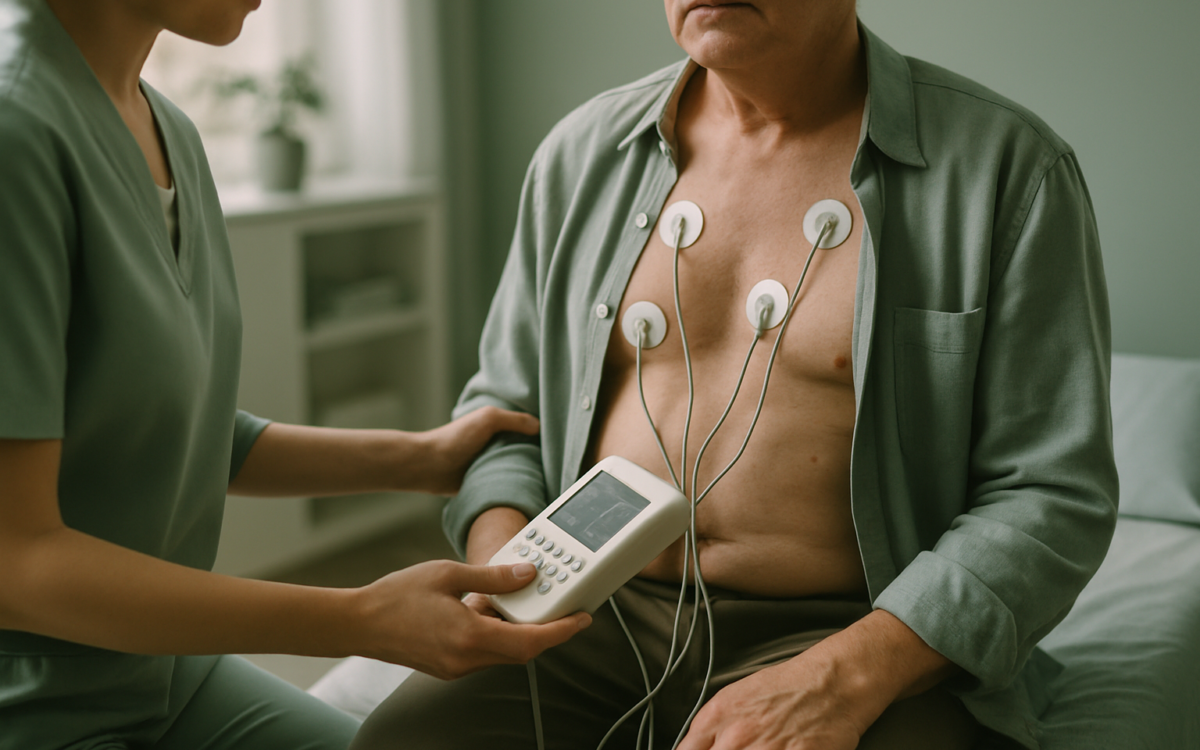
Cardiovascular diseases are some of the leading causes of death among people globally. However, many heart-related issues can be detected early through simple screening tests. Understanding cardiovascular screening and its importance can empower you to take charge of your heart health.
What is Cardiovascular Screening?
Cardiovascular screening refers to a range of tests and evaluations that help assess your heart health and identify any potential issues before they become serious. These screenings can catch risk factors such as high blood pressure, high cholesterol, and irregular heart rhythms. Identifying these risks gives you and your doctor a chance to intervene early and reduce the chances of developing heart disease.
Why is Cardiovascular Screening Important?
Regular cardiovascular screening can significantly impact your health. Here are some reasons why:
- Early Detection: Many individuals with heart conditions might not show symptoms until the disease has progressed. Early screening can catch these issues early.
- Prevention: By identifying risk factors like high cholesterol or high blood pressure, you can adopt lifestyle changes to prevent more serious problems.
- Informed Decision-Making: Cardiovascular screening provides data that can help you and your healthcare provider develop a tailored plan to manage your heart health.
Types of Cardiovascular Screening
Cardiovascular screening can include several different tests. Some of the most common types are:
Blood Pressure Measurement
This quick test measures the force of blood against your artery walls. High blood pressure often has no symptoms, making regular checks vital.
Blood Tests
Blood tests can measure cholesterol levels, triglycerides, and markers like C-reactive protein (CRP), which can indicate inflammation and heart disease risk.
Electrocardiogram (ECG or EKG)
An EKG records the electrical activity of your heart. It can help identify heart rhythm problems and other issues.
Echocardiogram
This ultrasound test produces images of your heart, helping doctors see how well it’s functioning and whether any heart muscle is thickened or damaged.
Stress Tests
Stress tests monitor your heart’s performance under physical exertion. They can help identify issues that may not be apparent when your heart is at rest.
Who Should Get Screened?
Certain groups of people should prioritize cardiovascular screening. You might be at higher risk for heart disease if you:
- Have a family history of heart disease.
- Are overweight or obese.
- Smoke or use tobacco products.
- Are physically inactive.
- Have conditions like diabetes, hypertension, or high cholesterol.
Consult your healthcare provider for a personalized screening schedule based on your risk factors and overall health.
How Often Should You Get Screened?
The frequency of screening depends on your risk factors and age.
- Adults aged 40 and older should have their cholesterol checked every 4-6 years.
- A blood pressure screening should happen at least every two years if your levels are normal.
- Individuals with risk factors should consult their doctor about more frequent testing.
Preparing for Your Screening
Preparation for cardiovascular screening can vary based on the type of test you’ll undergo. In general, you may need to:
- Fast before blood tests, particularly those measuring cholesterol levels.
- Avoid heavy exercise prior to an ECG or stress test.
- Provide a complete health history to your healthcare provider.
Following your healthcare provider’s specific instructions will help ensure accurate results.
What to Expect After a Screening
After your screening, your healthcare provider will review the results with you. Depending on your findings, they may recommend:
- Further testing or referrals to a cardiologist.
- Lifestyle changes, such as dietary adjustments or workout plans.
- Medication to manage risk factors like high cholesterol or blood pressure.
It’s important to follow these recommendations to maintain your heart health.
When to See a Doctor
If you experience symptoms such as chest pain, shortness of breath, or extreme fatigue, contact your doctor immediately. These could be signs of a heart problem that needs urgent attention.
Conclusion
Cardiovascular screening plays a crucial role in maintaining your heart health and preventing serious conditions down the line. By understanding what types of screenings are available and who should get screened, you can make informed decisions about your health. Don’t wait for symptoms to arise; proactive screening can help ensure that your heart remains healthy for years to come.
