
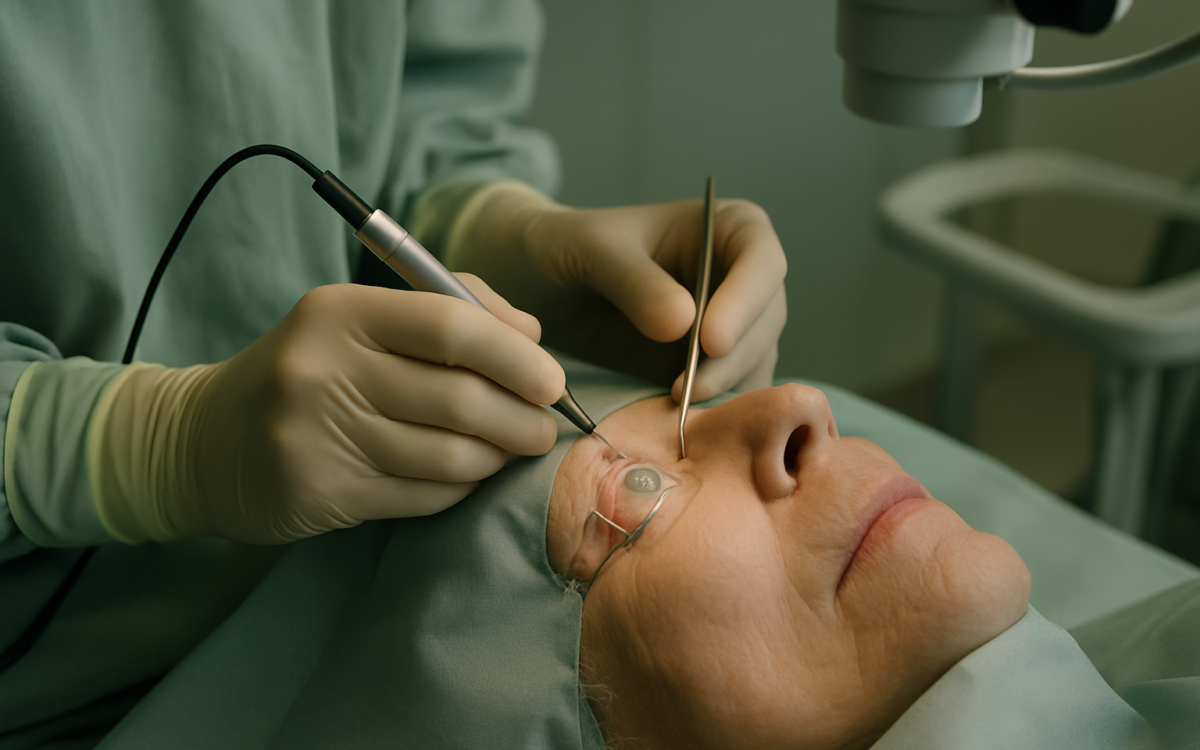
For many people, cloudy or blurry vision is just a part of aging. However, for those facing cataracts, this can significantly impact daily life. The good news is that cataract surgery is a safe and effective way to restore clear vision. In this article, we’ll explore what cataract surgery involves, the types of procedures available, what to expect during recovery, and when it’s essential to consult a doctor.
What are cataracts?
Cataracts occur when the lens of the eye becomes cloudy, which can obscure vision. This clouding can develop gradually, making it difficult for individuals to notice the change at first. Common symptoms include:
- Blurry or cloudy vision
- Difficulty seeing at night
- Sensitivity to light or glare
- Seeing halos around lights
- Fading or yellowing of colors
According to the National Heart, Lung, and Blood Institute, cataracts are common in older adults, but they can also be influenced by factors such as diabetes, prolonged exposure to sunlight, or certain medications.
Types of cataract surgery
Cataract surgery is usually performed on an outpatient basis, meaning you can go home the same day. There are two main types of procedures:
1. Phacoemulsification
This is the most common type of cataract surgery. During the procedure, the surgeon makes a small incision in the side of the eye and uses ultrasonic vibrations to break up the cloudy lens into tiny pieces. Once the lens is fragmented, it is gently suctioned out. Subsequently, an artificial lens, called an intraocular lens (IOL), is inserted. This method typically allows for quicker recovery times.
2. Extracapsular cataract extraction
This less common surgery is utilized for more advanced cataracts. The surgeon makes a larger incision to remove the cloudy lens in one piece. As with phacoemulsification, an IOL is then placed in the eye after the lens is removed. This method may require a longer recovery period compared to the other technique.
What to expect during cataract surgery
Prior to surgery, your healthcare provider will conduct a thorough eye examination, including vision tests and measurements. They will discuss the procedure with you and what to expect on the day. Here’s a brief overview of what the surgery day might be like:
- You will receive anesthetic drops to numb your eye.
- You’ll typically be awake during the procedure, but you might receive a sedative to help you relax.
- The process, which usually lasts about 15 to 30 minutes, is generally pain-free.
After the surgery, your vision may be blurry for a few days as your eyes heal. Your doctor will provide instructions on eye drops and protecting your eye during the recovery period.
Post-surgery care and recovery
Recovery from cataract surgery can vary from person to person, but most people notice an improvement in their vision within a few days. To ensure a smooth recovery, consider these tips:
- Follow your surgeon’s post-operative care instructions closely.
- Use any prescribed eye drops to prevent infection and reduce inflammation.
- Avoid strenuous activities and heavy lifting for a few weeks.
- Wear sunglasses outdoors to protect your eyes from bright light.
- Attend all follow-up appointments to monitor your recovery.
While most patients achieve improved vision, some may need glasses or contact lenses for certain tasks, particularly reading or driving.
When to see a doctor
If you experience any of the following symptoms after cataract surgery, it’s essential to contact your healthcare provider:
- Sudden increase in pain or discomfort in the eye
- Flashes of light or new floaters in your vision
- Redness or swelling around the eye
- Decrease in vision that seems sudden
These symptoms could indicate complications such as infection or increased eye pressure, and it’s vital to address them promptly.
Conclusion
Cataract surgery is a common and safe procedure that can restore clear vision and significantly enhance quality of life. If you or someone you know is struggling with vision loss due to cataracts, consulting an eye care professional is a crucial first step. They can guide you on the best options available for your specific situation. Remember, taking care of your eye health today can lead to a clearer tomorrow. For more information on vision health and cataracts, you can visit the Mayo Clinic or the Cleveland Clinic.
