
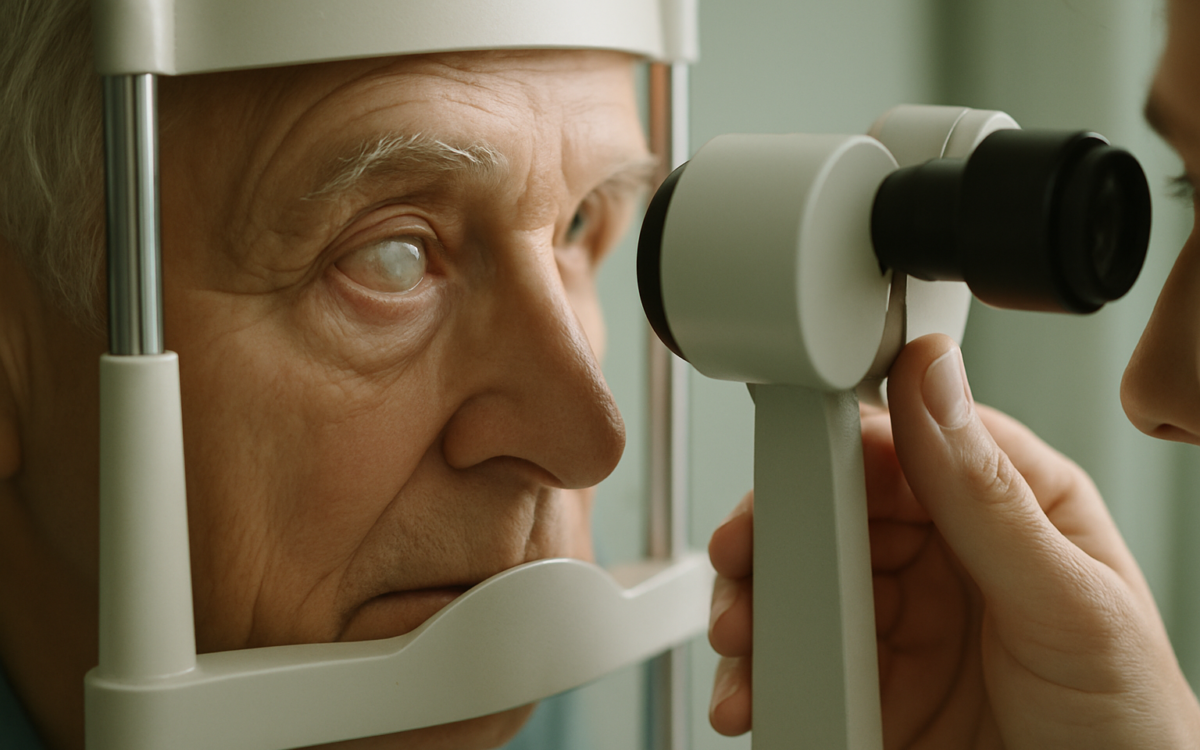
Cataracts are one of the most common eye conditions affecting millions of people worldwide. They occur when the lens of your eye becomes cloudy, leading to blurred vision and other visual disturbances. If you’ve been experiencing blurry vision or difficulty seeing at night, you might be wondering what cataract vision looks like and how to address it.
What are Cataracts?
A cataract forms when proteins in the lens of the eye clump together, causing the lens to become cloudy. This condition usually develops slowly and can occur in one or both eyes. Aging is the most common cause of cataracts, but other factors, such as diabetes, prolonged exposure to sunlight, and smoking, can increase your risk.
How Cataracts Affect Vision
Cataracts can significantly impact your vision in various ways. Here are some common symptoms associated with cataract vision:
- Blurry or cloudy vision: As the lens clouds, you may notice that your sight becomes less sharp.
- Difficulty seeing at night: Cataracts can cause problems with low light and glare from headlights or streetlights.
- Double vision: Some people report seeing multiple images or halos around lights.
- Faded colors: Colors may appear less vivid due to the filtration of light through the cloudy lens.
Many people may not realize they have cataracts until the vision problems become more pronounced. It’s essential to monitor your eyesight and to consult a healthcare professional if you notice any changes.
Diagnosis of Cataracts
If you suspect you have cataracts, an eye doctor can perform a comprehensive eye exam. This exam often includes:
- Visual acuity test: You read letters on a chart to determine how well you see at different distances.
- Slit-lamp examination: A microscope illuminates the eye, allowing the doctor to see the lens and its condition.
- Retinal examination: Eye drops may be used to dilate your pupils and give a better view of the retina and optic nerve.
Based on the examination results, your doctor will explain the severity of your cataracts and discuss potential treatment options.
Treatment Options for Cataracts
The good news is that cataracts can be effectively treated. If your cataracts are causing significant vision problems, your doctor may recommend surgical intervention. Here are some treatment options:
1. Observation
If your cataracts are mild and not significantly impairing your vision, your doctor may suggest monitoring your condition. Regular check-ups are vital to track any changes over time.
2. Prescription Glasses
For some individuals, updated prescription glasses or contact lenses may help improve vision without immediate surgery. However, this is usually a temporary solution as cataracts will likely progress over time.
3. Cataract Surgery
Cataract surgery is a common and generally safe procedure. During surgery, the cloudy lens is removed and is usually replaced with an artificial intraocular lens (IOL). The type of IOL can vary depending on your visual needs and lifestyle. Many patients report significant improvement in their vision after the procedure.
International Treatment Perspectives
For those considering cataract surgery, it is worth exploring options beyond your local area. Medical tourism has become popular for eye surgeries, including cataracts. Many facilities offer high-quality care, often at a lower cost compared to prices in the United States. One such option is acibademinternational.com, where patients can receive top-tier eye care alongside tailored patient experiences.
Living with Cataracts
While cataracts are a common issue, many individuals lead fulfilling lives despite their vision changes. Here are some tips to manage daily activities:
- Use good lighting in your home, especially for reading and other close work.
- Protect your eyes from sunlight using UV-filtering sunglasses.
- Consider using magnifying glasses or other aids for tasks that require clear vision.
Staying proactive and informed about your eye health can help you maintain quality of life as you age.
When to See a Doctor
If you experience any of the symptoms mentioned above or notice any unusual changes in your vision, it’s essential to consult an eye care professional. Early diagnosis and treatment of cataracts can lead to better visual outcomes.
Conclusion
Cataract vision can be a challenging experience, but understanding the condition and available treatments can empower you to take action. Whether considering surgery or adapting your lifestyle, seeking the right support and care is crucial for maintaining your vision health.
