
Cataracts are a common condition, especially as we age. They can cloud our vision, making it difficult to enjoy daily activities. If you’re wondering how to deal with cataracts, understanding your options can help you regain clear sight.
What are cataracts?
Cataracts form when the proteins in the eye’s lens begin to cluster, causing it to become cloudy. This cloudiness interferes with light passing through, leading to blurred vision. While this condition primarily affects older adults, it can also be influenced by factors such as genetics, diabetes, and prolonged exposure to sunlight.
Recognizing the signs of cataracts
Being aware of the signs and symptoms of cataracts is essential for early detection. Most people with cataracts experience:
- Blurry or cloudy vision
- Difficulty seeing at night
- Sensitivity to light and glare
- Seeing halos around lights
- Frequent changes in eyeglass prescription
If you notice any of these symptoms, it’s crucial to consult a doctor for a thorough eye exam.
How are cataracts diagnosed?
A comprehensive eye examination by an ophthalmologist can help diagnose cataracts. The eye doctor will check your vision and may use drops to dilate your pupils for a better view of the lens. Depending on the severity, they will recommend an appropriate treatment plan.
Available treatment options for cataracts
While some early-stage cataracts can be managed with updated eyeglass prescriptions and lifestyle adjustments, surgical intervention is usually the best option for significant clouding. Here’s what you need to know:
1. **Cataract Surgery**
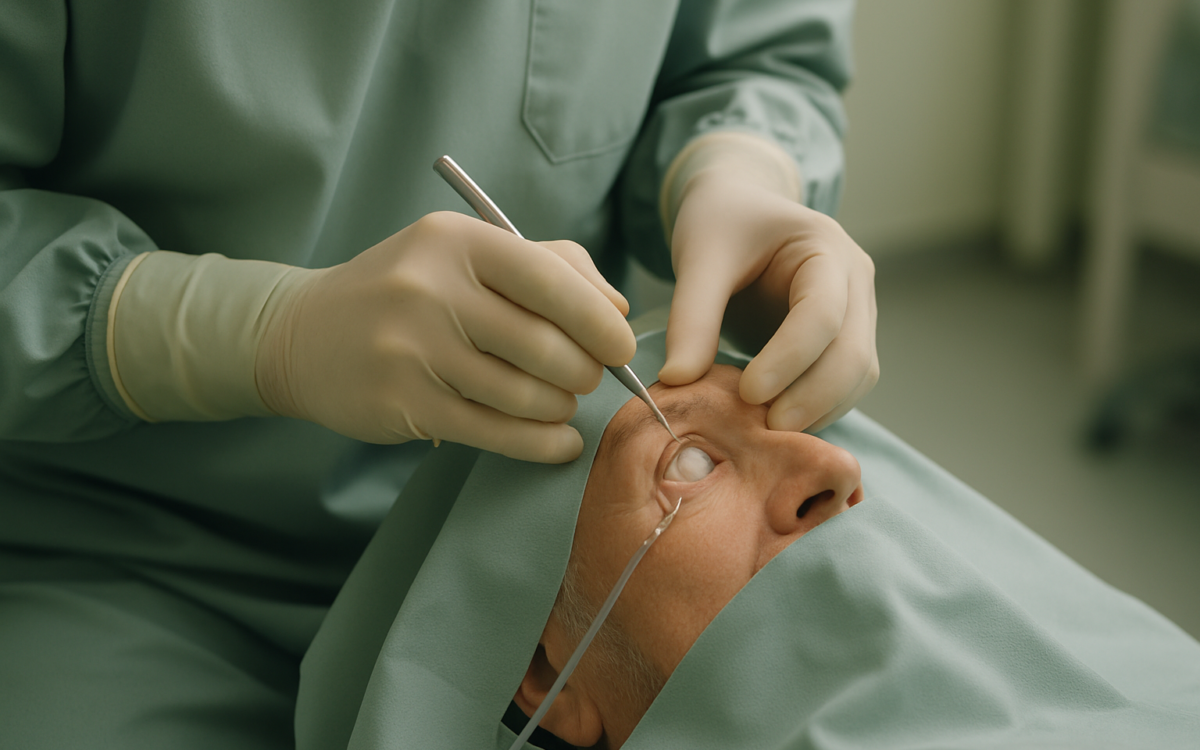
The most effective treatment for cataracts is surgery, which involves removing the cloudy lens and replacing it with a clear artificial lens called an intraocular lens (IOL). This procedure is generally safe and performed on an outpatient basis. Most patients experience improved vision shortly after surgery.
2. **Types of Cataract Surgery**
- Phacoemulsification: This is the most common type of cataract surgery. The surgeon uses ultrasound waves to break up the cloudy lens and then removes the fragments through a small incision.
- Extracapsular Surgery: In cases of advanced cataracts, this procedure removes the cloudy lens in one piece. A larger incision is made, which may require stitches.
- Laser Surgery: In some centers, laser technology may be used to assist in the surgery, making it more precise.
3. **Recovery and Aftercare**
After surgery, patients usually go home the same day. It’s essential to follow the aftercare instructions provided by your doctor, which may include using medicated eye drops, avoiding strenuous activities, and attending follow-up appointments. Your vision may continue to improve for weeks after the surgery, with many people achieving 20/20 vision.
Alternative therapies and lifestyle changes
While surgery is the definitive treatment for cataracts, some individuals explore alternative therapies to manage early symptoms. Here are a few considerations:
- Dietary changes: Eating a diet rich in antioxidants, such as leafy greens and fruits, may support eye health. Nutrients like vitamin C, vitamin E, and omega-3 fatty acids have shown potential in promoting eye health.
- Sunglasses: Protect your eyes from UV light by wearing sunglasses that block 100% of UVA and UVB rays, which may help slow the progression of cataracts.
- Regular eye exams: Routine visits to the eye care professional can ensure any changes in your eyes are promptly monitored.
When to see a doctor
If you experience any symptoms that indicate the presence of cataracts, such as blurred vision or increased sensitivity to light, it’s essential to schedule an appointment with an eye specialist. Early diagnosis and treatment can significantly improve your outcomes. Regular check-ups become increasingly important as you age or if you have risk factors such as diabetes or a family history of eye problems.
Conclusion
Cataracts might seem daunting, but understanding your options and knowing when to consult your doctor can lead to effective management. If you suspect you have cataracts, seek professional guidance to discuss your symptoms and the best course of action.
For more detailed information on cataracts and their treatment, you can refer to resources from reputable organizations like the National Heart, Lung, and Blood Institute or the Mayo Clinic.
