
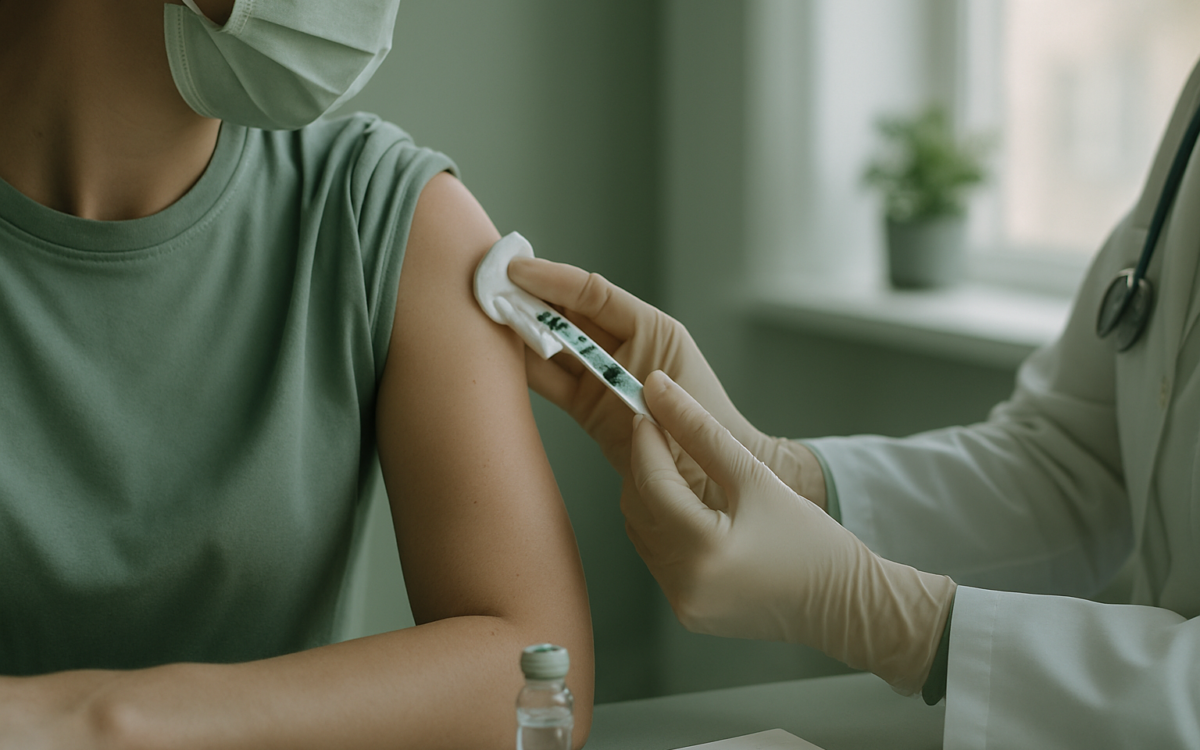
Staying healthy in today’s world often comes with a long list of recommendations and guidelines. Among these, vaccine recommendations from the Centers for Disease Control and Prevention (CDC) stand out as crucial measures to protect yourself, your family, and your community. With diseases like measles, whooping cough, and flu still posing significant health risks, understanding these guidelines is more important than ever.
The Role of Vaccines in Public Health
Vaccines are one of the most effective tools for preventing serious diseases. By exposing your immune system to a small, harmless piece of the virus or bacteria, vaccines prepare your body to fight off the real disease. This not only protects the vaccinated individual but also helps to create herd immunity, reducing the spread of disease within the community.
The CDC conducts extensive research to evaluate the effectiveness and safety of vaccines, publishing recommendations based on this evidence. These guidelines are updated regularly to reflect new scientific findings, ensuring that the public has access to the best possible vaccination strategies.
Current CDC Vaccine Recommendations
The CDC recommends a variety of vaccines for people of all ages. Here’s a brief overview of the key vaccine categories:
- Childhood Vaccines: Infants and young children should receive a set of vaccines starting at birth and continuing through age 18. This includes vaccines for diseases like hepatitis B, measles, mumps, rubella (MMR), and chickenpox.
- Adolescent Vaccines: As children grow into teenagers, additional vaccines become important. The meningococcal vaccine and the human papillomavirus (HPV) vaccine are examples recommended for this age group.
- Adult Vaccines: Adults should also keep their vaccinations up to date. Annual flu vaccines and vaccines for shingles and tetanus are important for maintaining health in this age group.
- Pregnant Women: Certain vaccines, like the flu vaccine and the Tdap (tetanus, diphtheria, and pertussis) vaccine, are recommended during pregnancy to protect both the mother and the unborn child.
For a detailed schedule, you can always refer to the CDC’s official immunization schedule directly at www.cdc.gov.
Why Follow CDC Recommendations?
Following CDC vaccine recommendations is essential for a number of reasons:
- Protection Against Disease: Vaccines significantly lower the risk of contracting and spreading potentially serious diseases.
- Community Health: When a large portion of the population is vaccinated, it reduces the overall amount of the disease in the community, protecting those who cannot be vaccinated, such as infants or individuals with certain health conditions.
- Cost-Effective: Preventing diseases through vaccination saves healthcare costs associated with treating illnesses that could be avoided.
In essence, following these guidelines contributes to public health and helps prevent outbreaks of preventable diseases.
Challenges and Misconceptions
Despite the overwhelming evidence supporting vaccinations, misconceptions and challenges still exist. Concerns about vaccine safety, side effects, and misinformation can lead some individuals to question CDC recommendations. Addressing these issues is crucial to ensure high vaccination rates.
Common misconceptions include:
- Vaccines cause the diseases they protect against: This is not true. Vaccines contain either weakened forms of viruses or parts of the virus that do not cause illness.
- Vaccination can lead to serious health issues: While all medical interventions carry some risk, the benefits of vaccination far outweigh these risks, as confirmed by numerous studies from reputable sources like the NIH and the WHO.
- Natural immunity is better than vaccine-induced immunity: While natural infection can provide immunity, it often comes with the risk of severe complications or even death.
Accessing Vaccines
The CDC makes it easier for individuals to access vaccinations. Vaccines are available at a variety of locations, including:
- Health departments
- Community clinics
- Some primary care physician offices
- Pharmacies
Many insurance plans cover the cost of vaccines, making them accessible to a larger segment of the population. If you have questions about vaccine availability, contacting your healthcare provider can provide the necessary guidance.
When to See a Doctor
If you or your child have questions or concerns about vaccines, it’s always a good idea to consult with a healthcare professional. You should seek medical advice in the following situations:
- If you or your child are experiencing unusual or severe side effects after a vaccination.
- If you have questions about specific vaccinations, especially relating to pre-existing health conditions.
- If there are upcoming travel plans that may require additional vaccinations.
Conclusion
Vaccines play a fundamental role in maintaining public health, and understanding CDC vaccine recommendations can help each of us make informed decisions about our health and well-being. By staying up to date with vaccinations, we contribute to the protection of our communities and ourselves. For ongoing updates and information, regularly check the CDC’s official website, and don’t hesitate to discuss any questions or concerns with your healthcare provider.
