
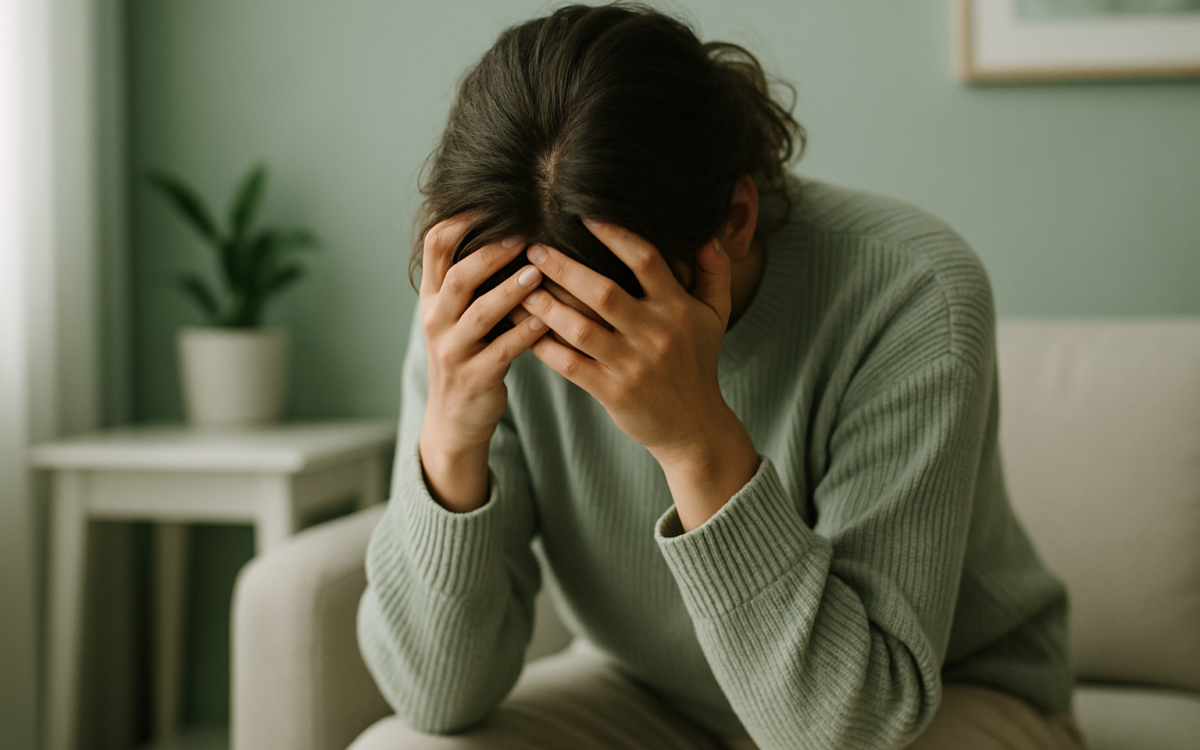
Anxiety is a normal reaction to stress, but when it becomes chronic, it can interfere with daily life and overall well-being. Chronic anxiety, which lasts for an extended period, can manifest in various ways and may require support and guidance for effective management. Understanding the symptoms, causes, and coping strategies can empower those affected to take positive steps toward relief.
What Is Chronic Anxiety?
Chronic anxiety is often defined as persistent, excessive worry and fear that lasts for months or even years. Unlike temporary anxiety, which might arise from a specific stressor or event, chronic anxiety can occur without a clear trigger. It often affects an individual’s ability to function in day-to-day activities, such as working, socializing, or even relaxing.
Symptoms of Chronic Anxiety
The symptoms of chronic anxiety can vary widely but generally include:
- Constant worry or fear that seems disproportionate to the situation.
- Restlessness and feeling on edge.
- Fatigue and difficulty concentrating.
- Physical symptoms like muscle tension, headaches, or gastrointestinal issues.
- Sleep disturbances, such as insomnia or restless sleep.
If you find yourself experiencing several of these symptoms for an extended period, it may indicate chronic anxiety. Understanding these signs can help you and your loved ones recognize when it’s time to seek assistance.
Causes of Chronic Anxiety
Chronic anxiety may stem from a combination of genetic, environmental, and psychological factors. These can include:
- Genetics: A family history of anxiety disorders may increase the risk of developing chronic anxiety.
- Brain chemistry: Abnormal levels of neurotransmitters, such as serotonin or dopamine, can affect mood and anxiety levels.
- Trauma: Experiencing traumatic events, especially during childhood, can contribute to anxiety disorders in later life.
- Chronic stress: Long-term exposure to stress from work, relationships, or financial issues can trigger anxiety.
Understanding these contributing factors can help individuals identify potential triggers and seek appropriate support or intervention.
Coping Strategies for Managing Chronic Anxiety
Managing chronic anxiety is a journey that often requires a multifaceted approach. Here are several effective coping strategies you can consider:
1. Practice Mindfulness and Meditation
Mindfulness practices, such as meditation and deep-breathing exercises, can help ground you in the present moment and reduce anxiety. Regular practice can improve your ability to manage stress and promote a sense of calm.
2. Stay Physically Active
Regular physical activity has been shown to reduce anxiety and improve mood. Aim for at least 30 minutes of moderate exercise most days of the week. Activities like walking, jogging, or yoga can be particularly beneficial.
3. Establish a Routine
Creating a structured daily routine can help provide stability and predictability, which may reduce feelings of anxiety. Schedule time for work, relaxation, and social activities to foster a more balanced life.
4. Connect with Others
Building strong social connections can be a powerful tool in managing anxiety. Talk to family members, friends, or support groups about your feelings. Knowing you’re not alone and sharing your experiences can provide comfort and perspective.
When to Seek Help
If chronic anxiety interferes with your daily life or causes significant distress, it is important to seek professional guidance. Signs that it may be time to see a doctor include:
- Inability to control your anxiety.
- Feelings of hopelessness or helplessness.
- Physical symptoms that concern you or disrupt your life.
- Difficulty functioning in social or work settings.
Consulting a healthcare professional can help you explore treatment options, including therapy and medication. Resources like the Mayo Clinic offer comprehensive insights into anxiety disorders and potential interventions.
Conclusion
Chronic anxiety can be a challenging condition, but understanding it is the first step toward effective management. By recognizing the symptoms, addressing the underlying causes, and employing coping strategies, those affected by chronic anxiety can reclaim control over their lives. Remember, it’s essential to consult with a healthcare provider if anxiety persists, as early intervention can lead to better outcomes. Support is available, and you don’t have to face chronic anxiety alone.
