
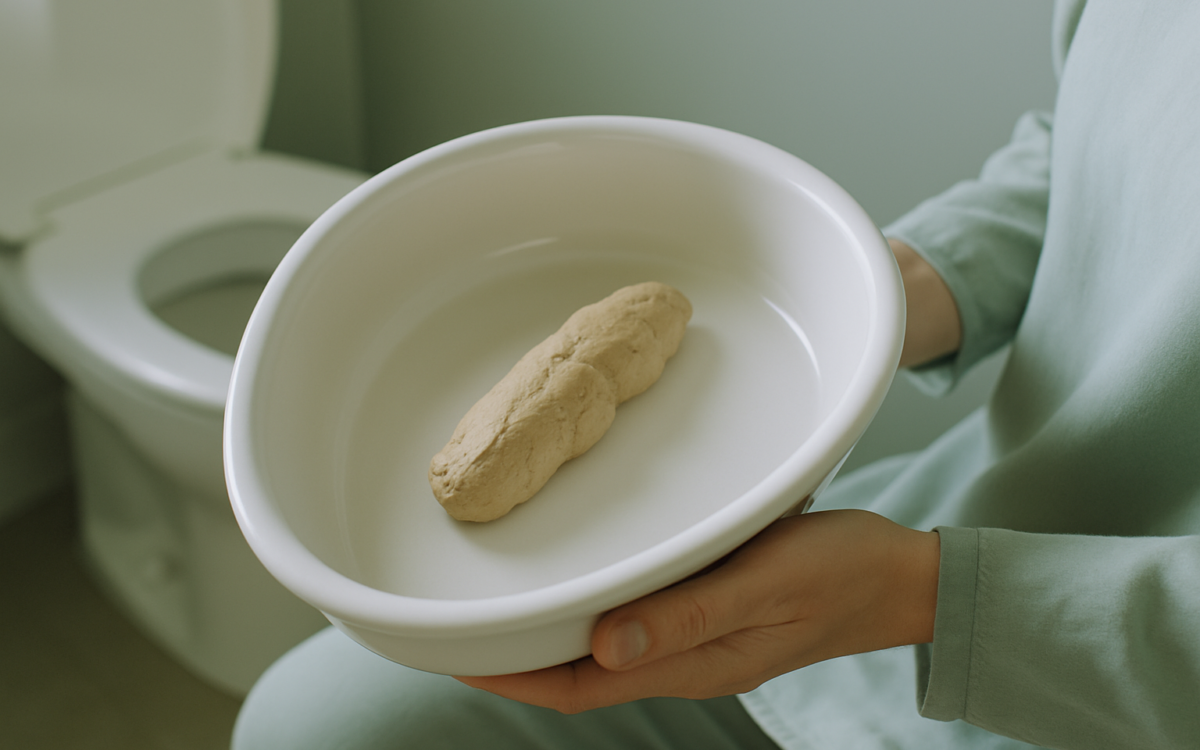
Have you noticed a change in the color of your stool? While it can be alarming, changes in stool color, such as clay-colored stool, can serve as a signal of what might be happening in your body. In this article, we’ll explore what clay-colored stool means, its potential causes, and when you should consult a doctor.
What is clay-colored stool?
Clay-colored stool is, as the name suggests, a pale or light brown color resembling clay. Normal stool colors range from brown to dark brown due to the presence of bile, which is produced by the liver and is essential for digestion. When the stool loses the brown pigment, it can indicate a disruption in the digestion process or an underlying health issue.
Possible causes of clay-colored stool
Several factors can lead to the appearance of clay-colored stool. Understanding these can help you address any potential concerns and emphasize the importance of consulting a healthcare professional.
Liver health issues
Your liver plays a crucial role in your overall digestive health. Diseases affecting the liver, such as hepatitis, cirrhosis, or liver cancer, can lead to reduced bile production. When bile is not adequately released into the digestive tract, it can result in paler stool. According to the National Institutes of Health, liver conditions can significantly impact your digestive functions.
Gallbladder problems
The gallbladder stores bile produced by the liver before releasing it into the intestines. Issues such as gallstones or inflammation of the gallbladder (cholecystitis) can block bile flow. This blockage can prevent bile from reaching the intestines, resulting in clay-colored stool. It’s essential to address gallbladder issues promptly to avoid complications.
Pancreatic disorders
The pancreas is another organ involved in digestion, producing enzymes to help break down food. Conditions like pancreatitis or pancreatic cancer can interfere with bile production and release. When bile isn’t properly processed, it can lead to changes in stool color, including the appearance of clay-colored stool.
Other associated symptoms
Clay-colored stool may appear alongside other symptoms that could hint at underlying health issues. Pay attention to any additional changes you might notice.
- Dark urine: This can occur when bilirubin levels are high, often suggesting liver issues.
- Jaundice: Yellowing of the skin or eyes may indicate liver dysfunction.
- Abdominal pain: Pain in the upper abdomen could suggest gallbladder or pancreatic issues.
- Fatigue: Unexplained tiredness can accompany many digestive problems.
If you experience any combination of these symptoms alongside clay-colored stool, it is even more critical to seek medical advice.
Dietary influences
While clay-colored stool can often indicate an underlying health issue, it is worth considering whether your recent diet may have played a role. Certain foods, particularly those very low in bile, may temporarily alter stool color. However, if your stool remains clay-colored, it likely requires further investigation.
Impact of medications
Some medications can also influence stool color. Medications affecting liver function or disrupting bile flow may lead to changes in stool appearance. Always discuss any new medications or changes in dosage with your healthcare provider, as understanding potential side effects is essential for your health.
When to see a doctor
If you notice clay-colored stool persistently, or if it is accompanied by other concerning symptoms, it’s important to consult a healthcare professional. Early intervention can be crucial for addressing potential health issues.
Consider making an appointment if:
- Your stool remains pale for more than a couple of days.
- You experience significant abdominal pain or discomfort.
- You notice any symptoms of jaundice, such as yellowing skin or eyes.
- You have dark urine along with paler stool.
- You feel excessively fatigued or unwell.
Remember, while clay-colored stool can be alarming, understanding the potential causes can help you approach the situation with clarity. Consulting a doctor is the best way to navigate these changes.
Conclusion
In summary, clay-colored stool can indicate several health issues, particularly concerning liver and gallbladder function. While it may sometimes result from medication or dietary changes, it’s important to remain vigilant and proactive. If you encounter clay-colored stool along with other symptoms, don’t hesitate to reach out to your healthcare professional for guidance. Your digestive health matters, and understanding your body’s signals is an essential part of maintaining it.
