
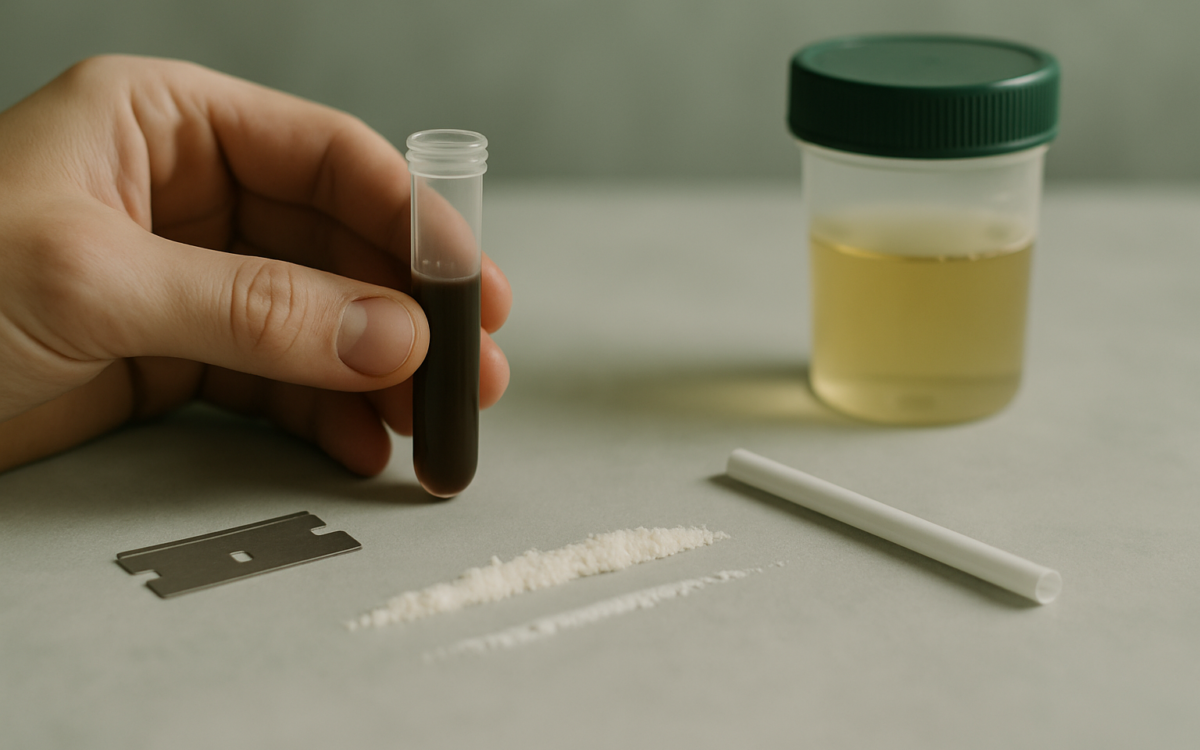
Cocaine is a powerful stimulant drug that can lead to physical and psychological dependence. Understanding how long cocaine remains detectable in your system is important, especially if you’re facing a drug test or concerned about its effects on your health. This article explores various aspects of cocaine metabolism, detection times, and related factors.
Understanding Cocaine and Its Effects
Cocaine is derived from coca leaves and is often found in two forms: powder and crack cocaine. When consumed, cocaine produces intense feelings of euphoria, increased energy, and heightened alertness. However, these effects are short-lived, leading users to take more to sustain their high. The duration and impact of cocaine are closely tied to how it’s metabolized in the body.
How Long Cocaine Stays in the Body
The duration that cocaine stays in your system can vary based on a number of factors. Generally, cocaine metabolites can be detected in the body for different lengths of time depending on the type of drug test used:
- Urine test: Cocaine can typically be detected in urine for up to 2-4 days after use. However, heavy users might test positive for a week or more.
- Blood test: In blood, cocaine can generally be detected for up to 12 hours after use.
- Saliva test: Cocaine may be detectable in saliva for approximately 1-2 days.
- Hair test: Hair follicle tests can identify cocaine use for up to 90 days or longer, depending on hair growth and the frequency of use.
For more information, you can visit the NIH which offers insights into drug impacts on the body.
Factors Influencing Detection Times
Several individual factors can affect how long cocaine stays in your system:
- Frequency of Use: Regular users may have higher levels of cocaine metabolites, leading to longer detection times.
- Dosage and Purity: The amount of cocaine used and its purity can also influence how long it remains detectable.
- Metabolism: Each person metabolizes substances at different rates. Factors such as age, weight, overall health, and genetic factors can play a significant role.
- Hydration and Physical Activity: Staying hydrated and exercising can accelerate metabolism, potentially reducing detection times.
The CDC provides guidelines on the impact of substance use on individual health, which may help with understanding personal risks.
Cocaine’s Short-Term Effects and Risks
In addition to the question of detection, it’s also important to consider cocaine’s immediate effects. Short-term effects can include:
- Increased heart rate and blood pressure
- Elevated mood and energy
- Decreased appetite
- Increased risk of stroke or heart failure
Using cocaine even once can lead to serious health risks and potential addiction, making understanding its effects crucial.
Long-Term Implications of Cocaine Use
Prolonged use of cocaine can result in significant health complications. These may include:
- Cardiovascular issues, like heart attacks or arrhythmias
- Respiratory problems, particularly for users who smoke crack cocaine
- Cognitive impairments and psychological issues such as anxiety and depression
- Risk of infectious diseases, especially if needles are shared
If you or someone you know is struggling with cocaine use, consider reaching out for help. Professional support can be vital for recovery.
When to See a Doctor
If you have recently used cocaine and are experiencing troubling symptoms, such as persistent anxiety, severe headaches, or heart palpitations, it’s important to consult a healthcare professional. They can provide essential support and information tailored to your specific situation.
Conclusion
Understanding how long cocaine stays in your system is important not only for passing drug tests but also for your overall health. Cocaine has short-term effects that can lead to long-term physiological and psychological issues. If you have concerns about cocaine use or its impacts, consulting a doctor can provide clarity and guidance. Remember, reaching out for help is a courageous step toward recovery and wellness.
