
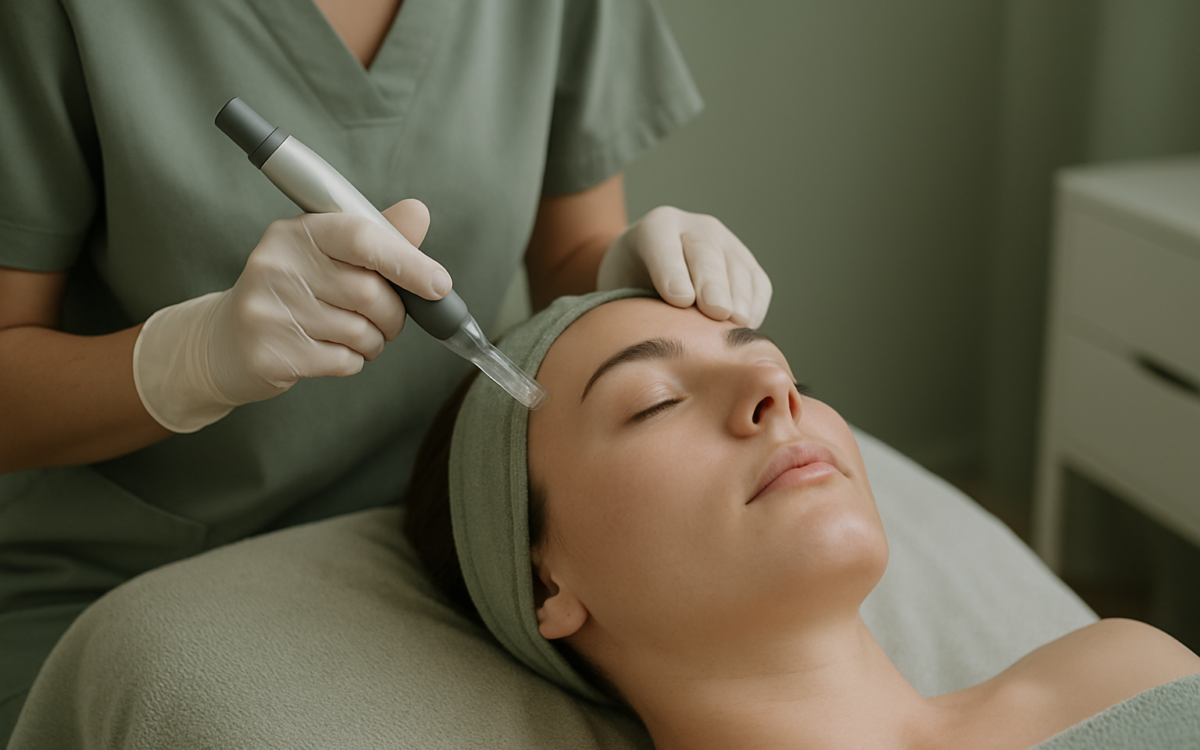
In search of youthful, glowing skin? Many people are now turning to collagen induction therapy, a technique gaining popularity for its skin rejuvenation properties. This treatment, also known as microneedling, has caught the attention of both skincare enthusiasts and professionals. In this article, we will explore what collagen induction therapy is, its benefits, the procedure involved, expected recovery times, and why it might be worth considering.
What is Collagen Induction Therapy?
Collagen induction therapy uses a device equipped with fine needles to create tiny punctures in the skin. This process helps stimulate the natural collagen and elastin production in your body. Collagen is a vital protein that provides structure and elasticity to your skin. As we age, our bodies produce less collagen, leading to wrinkles and sagging skin. By inducing micro-injuries in the skin, this therapy encourages your body’s healing response, resulting in a firmer, smoother complexion.
The Benefits of Collagen Induction Therapy
Collagen induction therapy offers several benefits for those looking to improve their skin’s appearance:
- Reduces fine lines and wrinkles: By stimulating collagen production, this therapy can soften the look of fine lines and wrinkles.
- Improves skin texture: Many people report smoother skin after treatment, improving the overall texture.
- Minimizes scars: This therapy is particularly beneficial for reducing the appearance of acne scars and other types of scarring.
- Enhances skin tone: The treatment can help reduce pigmentation irregularities and make the skin appear more uniform.
- Boosts product absorption: After the treatment, your skin may absorb topical skincare products more effectively.
What to Expect During the Procedure
The collagen induction therapy procedure generally takes about 30 to 60 minutes, depending on the area being treated. Here’s what you can expect during your appointment:
- Consultation: Before treatment, your provider will assess your skin and discuss your goals.
- Preparation: A topical anesthetic is usually applied to minimize discomfort during the procedure.
- The treatment: Using a microneedling device, your provider will create controlled micro-injuries in the skin.
- Post-care: After the treatment, you may receive instructions for skincare to optimize results.
Recovery and Aftercare
Recovery from collagen induction therapy typically involves some swelling and redness, similar to a mild sunburn. Most individuals return to regular activities within a few days. Taking care of your skin post-treatment is essential:
- Avoid sun exposure: Protect your skin from the sun for at least a few days and use sunscreen as recommended.
- No harsh products: Avoid products with retinoids, glycolic acid, or other potentially irritating ingredients for about a week.
- Hydrate: Keeping your skin moisturized will aid in healing.
Results often become visible within a few weeks as collagen production increases, with optimal benefits appearing over the following months.
Potential Risks and Side Effects
While collagen induction therapy is generally considered safe for most people, as with any medical procedure, there are potential risks and side effects. These may include:
- Redness and swelling: As mentioned, temporary redness is common following the treatment.
- Infection: Though rare, the introduction of needles into the skin can lead to infection if not properly cared for.
- Allergic reactions: Some individuals may experience reactions to topical anesthetics or post-treatment skincare products.
It’s important to consult your physician about the potential risks associated with this procedure and discuss whether it’s suitable for your skin type.
When to See a Doctor
If you experience any unusual symptoms such as persistent swelling, severe pain, or signs of infection (such as pus or fever) after your treatment, it’s important to reach out to your healthcare provider. A professional can evaluate your condition and provide appropriate care.
Conclusion
Collagen induction therapy is an innovative treatment option for those seeking to enhance their skin’s appearance. With its potential to reduce the appearance of wrinkles, scars, and uneven skin tone, many find it a valuable addition to their skincare regimen. If you’re considering this treatment, consult with a healthcare professional to ensure it’s suitable for you. For more information about microneedling and its effects, visit reputable sources like the NIH or Mayo Clinic.
