
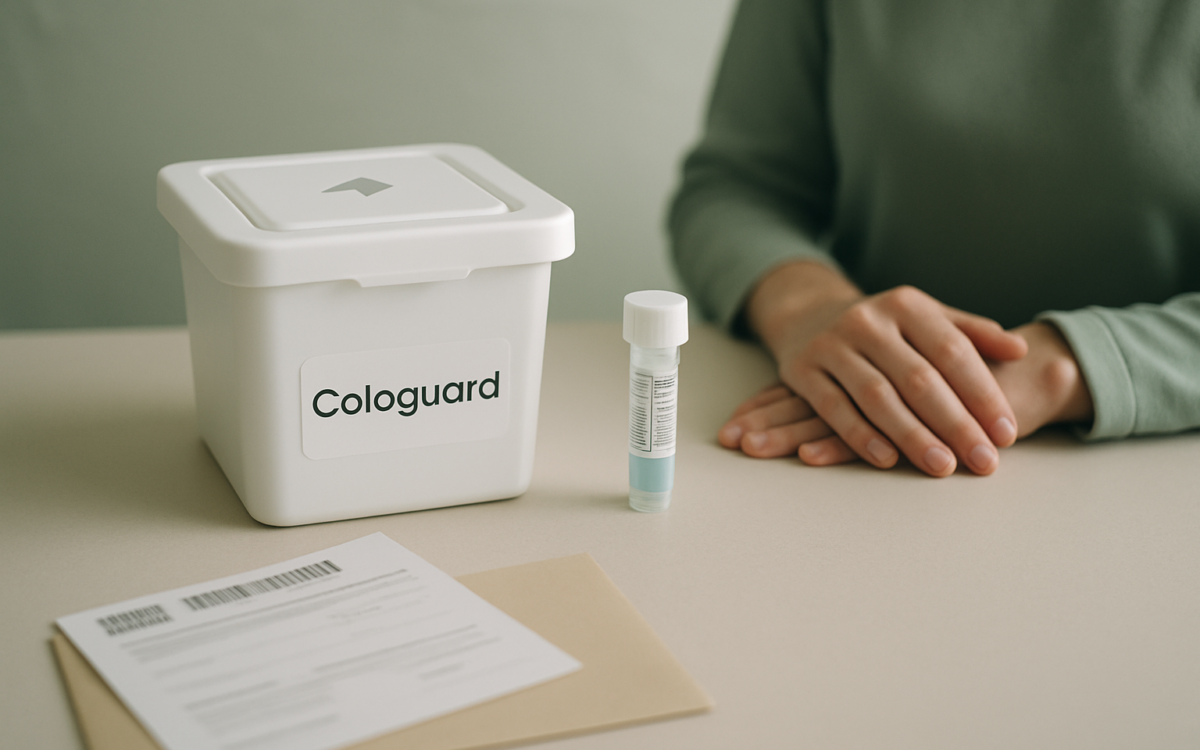
Colorectal cancer is one of the leading causes of cancer-related deaths in the United States. Early detection through screening can dramatically improve outcomes. One innovative method gaining attention is Cologuard screening, a non-invasive test that helps detect signs of colorectal cancer and precancerous lesions. In this article, we will dive into what Cologuard is, how it works, and its place in cancer prevention.
What is Cologuard?
Cologuard is a stool-based DNA screening test approved by the U.S. Food and Drug Administration (FDA) that checks for specific signs of colorectal cancer. The test analyzes the DNA in stool samples to identify changes that may indicate cancer or precancerous growths. This screening option is designed for individuals who are at average risk for colorectal cancer and prefer a non-invasive alternative to traditional colonoscopy.
How Does Cologuard Work?
The process of Cologuard screening is simple and convenient. Here’s how it typically works:
- Sample Collection: You can collect your stool sample at home using a kit sent to you. This kit includes everything you need for an easy sample collection.
- Sending the Sample: Once you have your sample, you send it back to the laboratory in the prepaid mailer provided in the kit.
- Lab Analysis: The lab tests your sample for various biomarkers associated with colorectal cancer, including altered DNA and hemoglobin.
- Results Reporting: You’ll receive the results through your healthcare provider, typically within one to two weeks.
This process allows for a less invasive way to check for colorectal issues without the need for bowel preparation or sedation, making it an appealing option for many people.
Who Should Consider Cologuard Screening?
Cologuard is recommended for individuals aged 45 to 75 who are at average risk for colorectal cancer. Factors that may impact your risk include family history, personal medical history, and lifestyle factors such as diet and exercise. If you have any of the following, you should talk to your doctor about suitable screening options:
- A family history of colorectal cancer.
- Inflammatory bowel disease.
- A personal history of polyps.
In such cases, your healthcare provider may recommend earlier or more frequent screenings, possibly including a colonoscopy, which is a more invasive procedure.
The Benefits of Cologuard Screening
Several factors make Cologuard an appealing option for colorectal cancer screening:
- Non-Invasive: As a stool test, Cologuard does not require invasive procedures, making it a less daunting option for many individuals.
- Convenience: Cologuard can be done at home without the need for bowel prep or an appointment at a clinic.
- Comprehensive Analysis: The test checks for both DNA markers and the presence of blood, which can provide a broader understanding of colorectal health compared to some other tests.
However, it’s important to discuss any screening option with your healthcare provider to determine the best fit for you.
Limitations and Considerations of Cologuard
While Cologuard has many benefits, it does have limitations:
- False Positives: The test may yield false positive results that could lead to unnecessary follow-up procedures, like a colonoscopy.
- Not Comprehensive: Cologuard detects certain markers but does not visualize the colon or remove polyps as a colonoscopy would.
- Regular Screening Required: If your Cologuard test is negative, it still requires follow-ups every three years, while other tests may have different frequencies.
Being aware of these considerations can help individuals be better prepared for discussions about their screening options.
Getting the Most Out of Your Cologuard Screening
If you decide to use Cologuard screening, consider these tips to ensure the best experience:
- Follow Instructions: Carefully read and follow the instructions on the kit for sample collection to avoid any errors.
- Consult Your Healthcare Provider: Share any concerns or questions you have regarding your results or further necessary steps.
- Discuss Risk Factors: Talk about your family history, lifestyle, and risk factors with your provider to tailor your screening approach.
By communicating openly with your doctor, you can establish a proactive plan centered around your health.
When to See a Doctor
Regardless of screening, it’s crucial to see a healthcare provider if you experience:
- Changes in bowel habits, such as diarrhea or constipation lasting more than a few weeks.
- Blood in your stool or dark, tarry stools.
- Abdominal pain or cramping that persists.
- Unexplained weight loss.
These symptoms may indicate underlying issues that need further investigation.
Conclusion
Cologuard screening represents a significant advancement in colorectal cancer detection, offering individuals a less invasive option for monitoring their health. Understanding the workings of Cologuard, its benefits, limitations, and how it fits into the broader landscape of cancer screening can empower you to make informed decisions. Always consult your healthcare provider to find the best screening method tailored to your needs. Your health matters!
