
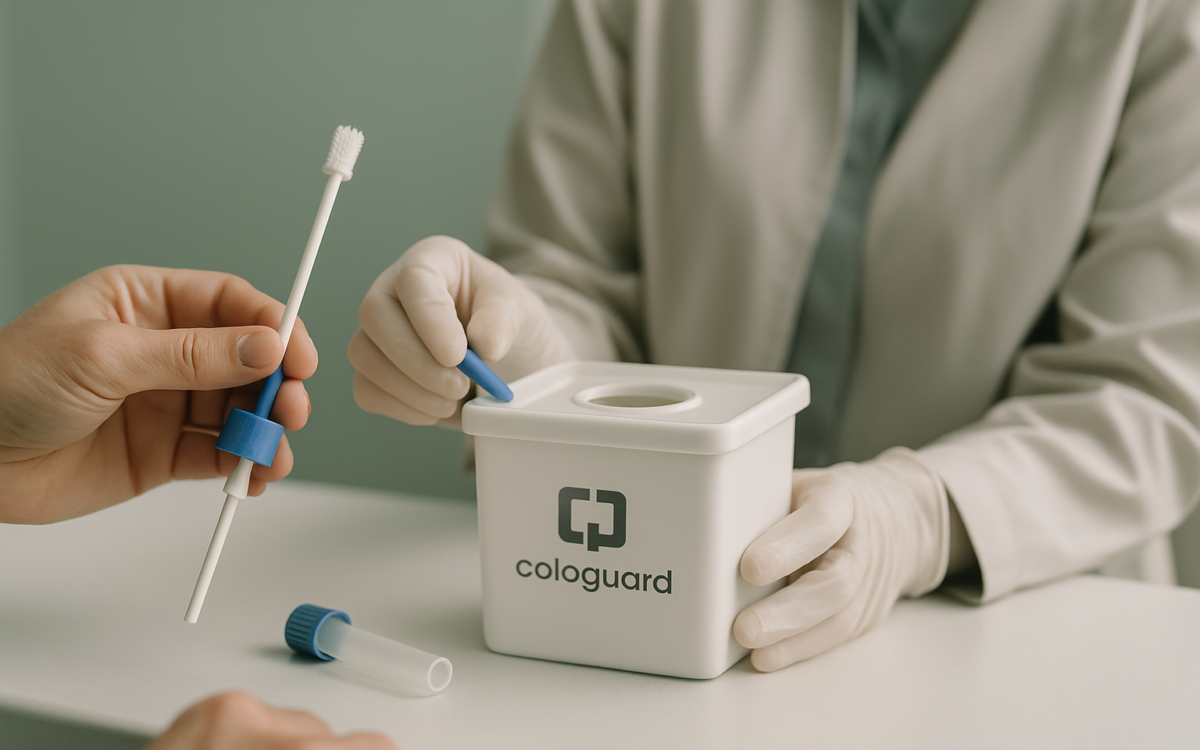
Colorectal cancer is one of the most common cancers in the United States, affecting both men and women. Early detection through screening is vital for improving survival rates. One innovative option for screening is Cologuard testing, a non-invasive at-home test that detects signs of colorectal cancer. Let’s dive into what Cologuard testing is, how it works, and why it might be an excellent choice for you or your loved ones.
What is Cologuard Testing?
Cologuard is a stool-based DNA test designed to help screen for colorectal cancer and advanced adenomas, which can turn into cancer over time. It analyzes your stool for the presence of specific DNA markers and blood, which are indicators of abnormal growths in the colon. The test is FDA-approved and is recommended for adults aged 45 and older, as this is the age group at higher risk for colorectal cancer.
How Does Cologuard Work?
Cologuard testing is a straightforward process:
- Order the Test: Your healthcare provider can order Cologuard for you, and it will be sent to your home.
- Collect the Sample: You’ll collect a stool sample using a kit that includes a container and instructions for maintaining cleanliness.
- Send It Back: Once collected, you will send the sample back to the lab using the prepaid shipping method included in the kit.
- Receive Results: The lab will analyze the sample, and you’ll receive results in about a week via your healthcare provider.
This convenient method minimizes discomfort and provides a good alternative to traditional tests like colonoscopy, which require preparation and can be invasive.
Benefits of Cologuard Testing
There are numerous advantages to consider when thinking about Cologuard testing:
- Non-Invasive: One of the most significant benefits is that Cologuard does not require any invasive procedures, making it less daunting for many individuals.
- Comfortable Process: You can collect your stool sample in the comfort of your home without the need for a clinic visit.
- Early Detection: The test helps identify problems early when treatment is most effective. It can detect cancer and more advanced adenomas, which may prevent colorectal cancer from developing.
- Compliance: More people may be willing to take this test due to its convenience, leading to increased screening rates among those who might otherwise avoid colonoscopies.
Limitations and Considerations
While Cologuard testing offers many benefits, it’s essential to understand that it is not a complete replacement for all colorectal cancer screenings.
- Not Definitive: A positive result does not mean you have cancer; it indicates the need for further evaluation, typically a colonoscopy.
- False Positives: There is a chance of receiving a false positive result, meaning the test indicates the presence of cancer when it may not actually be there.
- Regular Monitoring Required: Cologuard should be used every three years or as advised by your healthcare provider, depending on your individual risk factors.
Always consult your doctor for advice tailored to your medical history and health needs.
Cologuard Testing in an International Context
Colorectal cancer is a global health concern, and different countries are adopting various screening strategies tailored to their populations. As an international patient, you may look for ways to access innovative testing options like Cologuard. Facilities that specialize in advanced screenings, such as Acibadem International, often provide insights into available tests and can assist international patients in obtaining appropriate care that fits their specific needs.
When to See a Doctor
Even with the availability of Cologuard testing, there are circumstances when you should consult a healthcare professional:
- If you’re experiencing symptoms such as blood in your stool, unexplained weight loss, or persistent abdominal pain.
- If you have a family history of colorectal cancer or polyps, your doctor may suggest earlier or more frequent screening.
- Discuss your options if you recently received a positive Cologuard result, as further testing will be necessary.
Conclusion
Cologuard testing presents an exciting opportunity for individuals concerned about colorectal cancer. With its non-invasive nature and ease of use, more people may feel encouraged to participate in regular screening. That said, understanding its limitations and maintaining an open dialogue with your healthcare provider is critical for effective monitoring. Early detection saves lives, so stay informed and proactive about your health!
