
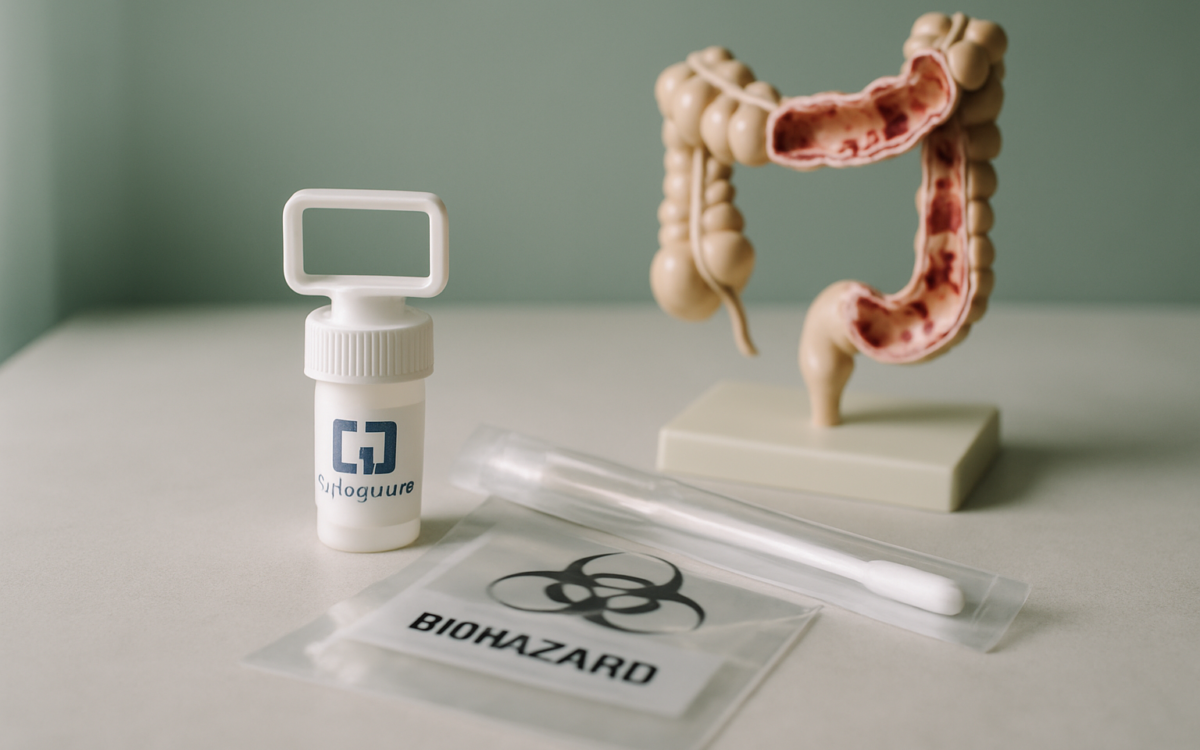
Colorectal cancer is one of the leading causes of cancer-related deaths in the United States. Yet, it is also one of the most preventable forms of cancer. Thanks to advancements in medical testing, tools like the Colorguard colon screening have emerged to help detect this disease at its early stages. Understanding what the Colorguard test is and how it works can empower you in your health journey.
What is Colorguard colon screening?
Colorguard colon screening is a noninvasive test that detects DNA markers and blood in the stool, which could indicate the presence of colorectal cancer or precancerous polyps. Unlike traditional colonoscopy, which involves sedation and the insertion of a scope, the Colorguard test can be done in the privacy of your own home.
The test works by analyzing a stool sample for specific genetic changes that may arise in colorectal cancer. If any of these markers are detected, it prompts further investigation, typically through a colonoscopy.
Who should consider Colorguard screening?
The Colorguard test is generally recommended for individuals aged 45 and older, especially those who are at average risk for colorectal cancer. However, those with specific risk factors, such as a family history of colorectal cancer or personal history of certain conditions like inflammatory bowel disease, should consult their healthcare provider for personalized recommendations.
According to the Centers for Disease Control and Prevention (CDC), screening is crucial as it can reduce the number of deaths from colorectal cancer by detecting it early when treatment is most effective.
How is the Colorguard test performed?
Participating in the Colorguard screening is straightforward:
- Sample Collection: After receiving the test kit in the mail, you will collect a stool sample using the provided tools.
- Send it back: Place the sample in the prepaid envelope and send it to the laboratory for analysis.
- Results: You will typically receive your results within a few weeks, and your doctor will discuss any further steps if necessary.
This home-based test is particularly advantageous for people who might feel apprehensive about undergoing colonoscopy or who simply prefer a noninvasive option.
What do the results indicate?
The results of the Colorguard test fall into one of three categories:
- Positive result: Indicates that genetic markers were found, suggesting that further examination via colonoscopy is necessary.
- Negative result: Suggests that no cancer was detected at that time. However, this does not eliminate the need for regular screenings.
- Incomplete result: Sometimes, the sample may not provide conclusive information, requiring a repeat test.
It’s important to understand that a positive result does not definitively mean cancer—it simply indicates a need for further testing.
The importance of regular screening
Regular colorectal cancer screening is an essential part of preventive healthcare. The Mayo Clinic notes that early-stage colorectal cancer often has no symptoms, making routine screenings critical to catch issues before they escalate.
Colorguard serves as an excellent option for detecting potential problems early, significantly enhancing the chances of successful treatment and better health outcomes. No matter which method you choose for screening, keeping up with regular appointments is crucial for your long-term health.
Limitations of the Colorguard test
Like any medical test, the Colorguard colon screening has its limitations. Some cancers may not release detectable DNA markers, which means false negative results can occur. Thus, this test should not replace regular colonoscopies—especially for individuals at increased risk for colorectal cancer.
Consulting with your healthcare provider about the best screening options for you based on your individual health history and risk factors is recommended.
Making the decision
When considering whether to use Colorguard colon screening, think about your individual health needs and preferences. Engaging in a conversation with your healthcare provider can help clarify if this test aligns with your screening strategy.
Additionally, consider other lifestyle factors that contribute to colorectal health. Eating a balanced diet, exercising regularly, and avoiding smoking are all vital steps in reducing your risk of colorectal cancer.
When to see a doctor
If you notice any concerning symptoms, such as blood in your stool, changes in bowel habits, unexplained weight loss, or persistent abdominal pain, consult your healthcare provider as soon as possible. Regardless of your screening status, these symptoms warrant prompt medical attention.
Conclusion
The Colorguard colon test represents a modern approach to colorectal cancer screening, providing a practical alternative for individuals hesitant about traditional methods. Understanding its use, benefits, and limitations empowers you to make informed decisions for your healthcare. Regular screening, regardless of the method, is beneficial for your overall health and well-being. As always, consult your doctor for personalized health advice and recommendations.
